




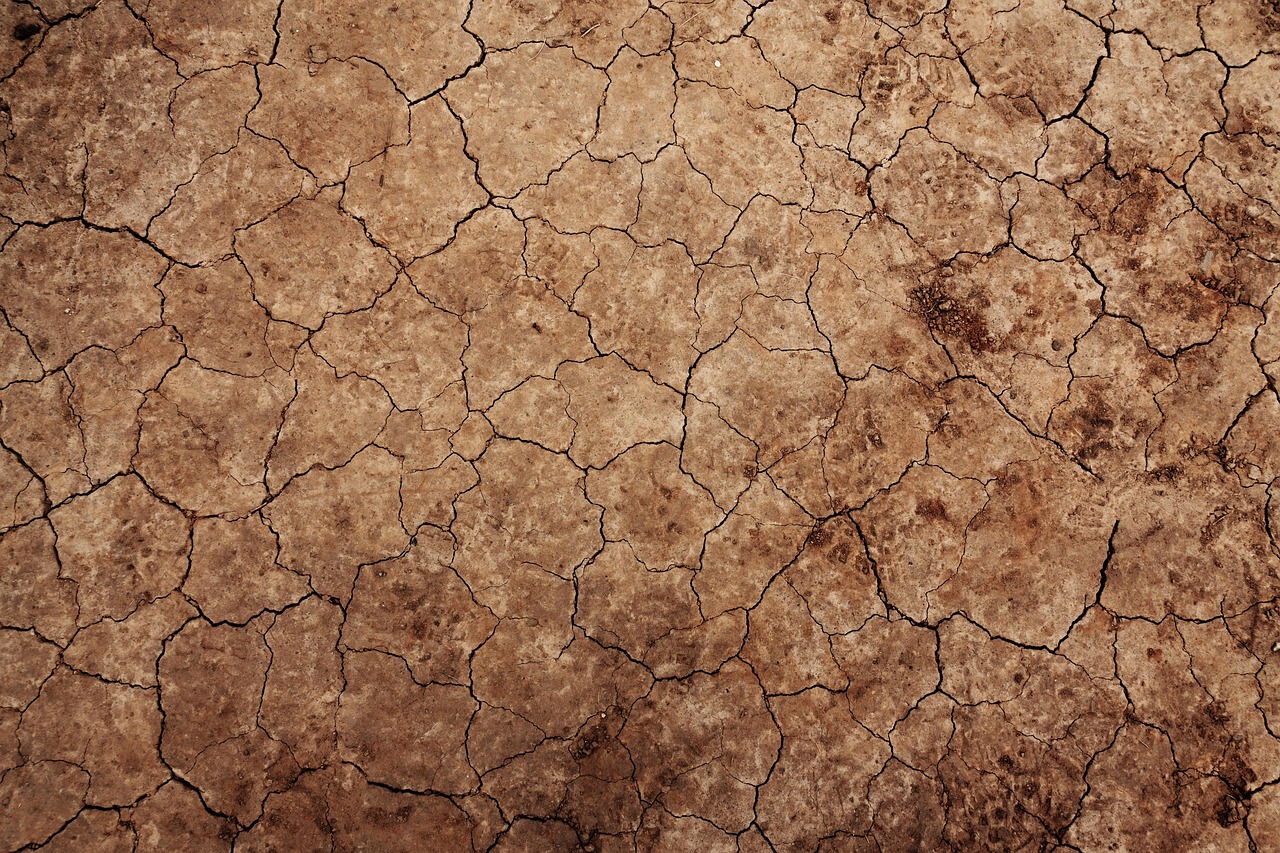
Transforming stubborn, dense red clay into fertile garden loam and free-draining residential ground across Georgia requires implementing proven Georgia clay soil fixes. Spanning the rolling Piedmont plateau from Atlanta to Athens and south toward the Fall Line, Georgia’s famous Cecil red clay presents formidable challenges for homeowners and gardeners. In wet winter and spring weather, dense clay platelets pack together, trapping rainwater on the surface and suffocating plant roots in stagnant mud. When summer heat arrives, unamended red clay bakes into rock-hard brick that cracks, repels irrigation water, and resists shovel penetration. Implementing practical Georgia clay soil fixes enables homeowners to open dense soil compaction, introduce biological pore space, and channel surface water away from foundations. Property owners can schedule rapid bulk deliveries through our Georgia aggregate delivery page to secure dark compost soil, clean #57 drainage gravel, and premium screened topsoil direct to their property.
Amending Georgia red clay with dark organic compost and installing gravel drainage trenches restores root aeration, prevents surface water ponding, and makes digging easy.
To inspect Georgia soil survey maps, Piedmont clay characteristics, and University of Georgia (UGA) Extension soil amendment recommendations, check:
Cecil Soil Series and Georgia Red Clay Geology (Wikipedia)
Why Piedmont Red Clay Demands Practical Georgia Clay Soil Fixes
Georgia red clay gets its distinctive crimson color from abundant iron oxides, but its physical behavior is driven by microscopic, flat clay platelets. These platelets bond tightly together, eliminating the macro-pore spaces necessary for air and water movement. When heavy summer rainstorms hit, water runs off hard-baked clay surfaces rather than soaking in, carrying away topsoil and leaving plants parched hours later. Adding sand to unamended red clay only makes things worse, creating a dense mixture resembling mortar. Successful remediation depends on applying targeted Georgia clay soil fixes centered on bulk organic humus and clean aggregate drainage.
Fully decomposed compost soil breaks the electrochemical bonds between clay platelets, clustering them into crumbly granules that allow water and roots to penetrate deep into the ground. Clean #57 stone provides high-void channels for French drains that capture water before basements flood. In western Georgia towns like Bremen and historic Atlanta neighborhoods near Hapeville, incorporating bulk compost into red clay garden beds permanently improves soil drainage and plant vitality.
- Rich fully decomposed organic soil amendment → Compost soil
- Clean angular French drain and foundation stone → #57 stone
- Fine weed-free lawn dressing and planting loam → Screened topsoil
- Protective moisture-retentive root cover → Bark mulch
Recommended Material Applications for Amending Georgia Clay
Deploying the right combination of organic amendments and clean drainage aggregates solves both compaction and drainage problems.
| Soil Problem Area | Recommended Amendment Material | Remediation Mechanism and Benefit |
|---|---|---|
| Hardpan Clay Garden Beds | 100% Decomposed Compost Soil (3″ to 4″) | Flocculates clay platelets, adds humic acids, and creates open root channels. |
| Waterlogged Yard Low Spots | #57 Clean Washed Stone in French Drain | Collects stagnant subsurface water and routes it safely to daylight outlets. |
| New Lawn Seeding over Clay | Compost & Screened Topsoil (50/50 Blend) | Establishes a friable, rock-free rooting zone that prevents seed washout. |
| Surface Clay Erosion Slopes | Bark Mulch Capped over Loam | Insulates clay from baking sun, stops surface crusting, and prevents mud rills. |
Tilling Compost and Aerating Heavy Red Clay Beds
The most effective way to remediate in-ground garden beds is deep incorporation of organic matter. Wait until the clay is damp but not soaking wet; tilling saturated clay creates rock-hard clods that take years to break down. Spread a three- to four-inch blanket of rich compost soil over the planting area.
Use a heavy-duty rear-tine rototiller to blend the compost into the top six to eight inches of red clay. The organic humus coats the clay particles, preventing them from fusing together when dry. For new lawns, core-aerate the clay soil in spring or autumn, then top-dress with a one-half inch layer of screened topsoil and compost to fill aeration holes with friable loam. Check our comprehensive compost soil material guide for specialized organic matter application rates and soil pH management tips.
Installing Gravel Drainage Swales in Clay Subsoils
Because red clay absorbs water slowly, surface water naturally ponds in low spots after heavy thunderstorms. Excavate shallow drainage swales or subsurface French drains to intercept runoff before it pools near foundation walls.
Line drainage trenches with non-woven geotextile fabric, bed with two inches of clean #57 stone, set perforated PVC pipe, and backfill with washed gravel. Even in coastal transition zones like Whitemarsh Island, pairing organic soil conditioning with clean stone drainage trenches protects residential landscapes from severe waterlogging.
Benefits of Bulk Aggregate Delivery Across Georgia
- Drops cubic yards of rich compost, clean stone, and screened topsoil directly on your driveway.
- Drastically cheaper per cubic yard than purchasing small plastic retail store bags.
- Quarry and soil blends meet consistent agricultural weed-free and pH-balanced standards.
- Skilled drivers navigate residential suburban avenues and tight residential driveways safely.
Calculating Soil Amendment Quantities for Clay Soils
Accurate material calculation prevents project interruptions from running short of bulk supplies. Measure project length in feet by width in feet to calculate square footage. Multiply square footage by planned material depth in inches, then divide by 324 to establish cubic yards.
For example, if amending a 600-square-foot garden bed with a 3-inch layer of organic compost soil: Multiply 600 by 3 to get 1,800. Divide 1,800 by 324 to find 5.56 cubic yards (approx. 6 cubic yards of bulk compost). If installing an 80-foot French drain trench (1.5 feet wide by 1.5 feet deep of #57 stone): Multiply 80 by 1.5 by 1.5 to get 180 cubic feet. Divide by 27 to find 6.67 cubic yards, which equals roughly 9.34 tons of clean drainage stone.
Frequently Asked Questions
Can I add sand to break up Georgia red clay?
Never add sand to heavy red clay without massive amounts of compost; sand and clay mix together to create a dense substance like concrete.
What is the fastest way to improve clay soil for vegetables?
Build raised garden beds filled with a blend of sixty percent garden soil and forty percent compost to bypass dense native clay entirely.
How often should I add compost to red clay soil?
Apply a fresh one- to two-inch layer of organic compost soil annually to replenish organic matter consumed by heat and active microbes.
Why does water sit on top of Georgia red clay for days?
Microscopic clay platelets fit tightly together with virtually no air pores, preventing downward water percolation and causing standing puddles.
Final Thoughts
Conquering Georgia’s challenging red clay requires working with soil biology by incorporating abundant organic compost and establishing clear gravel drainage paths. By applying these proven Georgia clay soil fixes, blending rich organic humus into planting beds, and installing clean #57 stone French drains, your yard transforms into a fertile, easily workable, and well-drained landscape. Find your Georgia delivery area here to schedule bulk delivery of compost soil, drainage gravel, and screened topsoil directly to your property.
Order clay soil amendments and drainage gravel across Georgia today











