




The Project in Glassboro
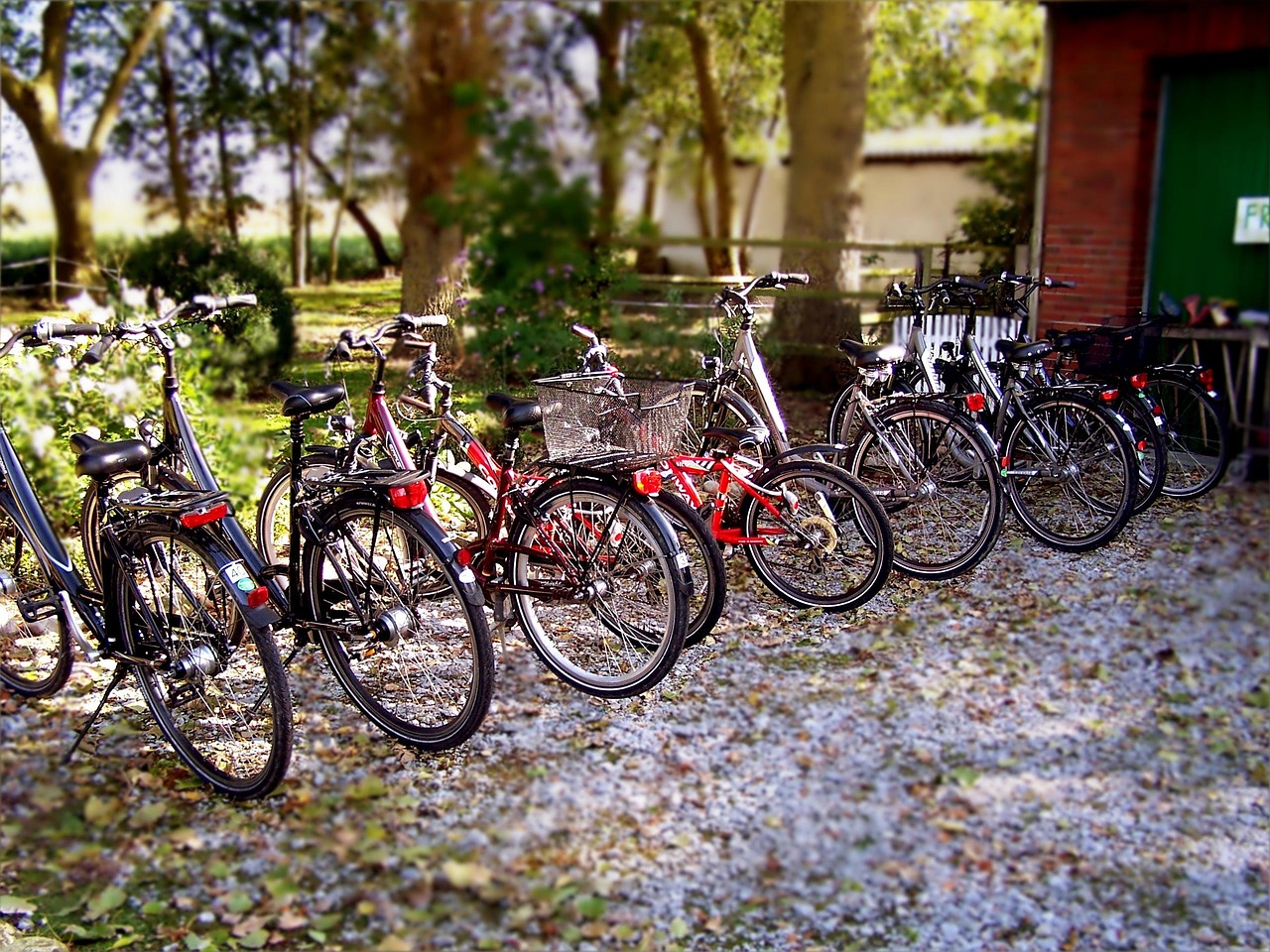
Home to Rowan University, Glassboro is a bustling college community in Gloucester County characterized by historic residential neighborhoods and dynamic student housing developments. As student enrollment expands, rental property owners and landlords face constant demand for off-street parking. Multiple student tenants with passenger cars, pickup trucks, and delivery vehicles quickly overwhelm narrow driveways. Parking on unpaved lawn areas rapidly creates unsightly mud ruts, compacted tire trenches, and messy street conditions that draw borough code citations. Sourcing durable materials through gravel parking materials in Glassboro provides a cost-effective, heavy-duty parking solution that keeps rental grounds neat and mud-free.
Constructing a durable rental parking pad requires load-bearing aggregates and positive surface drainage. Installing an engineered gravel parking rental Glassboro NJ pad with heavy road base gravel, locking crushed run, or economical crushed concrete creates an unyielding all-weather parking lot that withstands intense daily vehicle traffic.
Why Glassboro’s Soil and Climate Shape This Project
Glassboro sits within the inner Coastal Plain, underlain by Aura and Woodstown sandy loam soils resting over firm gravelly clays. While native soils provide fair drainage, high-traffic vehicle parking strips away turf, exposing bare ground. During wet winter thaws and spring downpours, unreinforced ground liquefies under heavy tire loads, allowing wheels to sink and churn mud upward into surface stone.
Additionally, municipal stormwater regulations in Glassboro closely monitor impervious surface coverage on residential rental lots. Civil engineers at the Rutgers New Jersey Agricultural Experiment Station emphasize that permeable crushed stone parking pads allow stormwater to filter directly into the subgrade, reducing municipal stormwater runoff while avoiding the heavy expense of newly poured asphalt or concrete. Installing woven geotextile fabric beneath dense base aggregates bridges soft subsoils and permanently prevents tire rutting.
Best Aggregate Options for Rental Parking Pads
Rental property pads require heavy-duty aggregates that compact into a durable, unshifting driving surface:
- Road base gravel → Coarse 1-inch to 1 1/2-inch crushed stone blended with mineral fines. It forms an unyielding structural subbase that distributes concentrated vehicle axle loads across soft ground.
- Crushed run → Dense-graded 3/4-inch crushed stone with rock dust. When compacted, the angular particles lock tightly together to form a smooth, cemented driving crust that resists tire rutting.
- Crushed concrete → Recycled concrete crushed to 3/4-inch minus gradation. It offers an economical, environmentally friendly alternative that hardens over time, providing exceptional bearing strength for budget-conscious landlords.
Step-by-Step Rental Parking Pad Construction
Structured excavation, woven geotextile stabilization, and heavy mechanical compaction ensure lasting pad performance:
- Check zoning setbacks and parking codes: Review Glassboro residential rental property codes to verify allowable off-street parking dimensions and property setbacks.
- Excavate the parking footprint: Strip away sod and soft topsoil to a uniform depth of six to eight inches, sloping the pad slightly away from foundations. Property owners in nearby Williamstown follow this excavation standard for rental pads.
- Install woven geotextile fabric: Lay commercial-grade woven stabilization fabric across the excavated subgrade, overlapping seams by eighteen inches to prevent gravel loss into clay.
- Install road base or crushed concrete: Spread four to five inches of road base gravel or crushed concrete over the fabric, moistening lightly with water.
- Compact with a heavy roller: Compact the foundation thoroughly with a heavy vibratory roller or commercial plate compactor to lock angular particles together.
- Apply and crown crushed run wearing course: Spread two to three inches of crushed run, compacting firmly while maintaining a two percent slope to shed rainwater toward side swales.
How Much Aggregate Do You Need for Rental Parking?
Accurate material calculations prevent unnecessary delays and budget overruns. Crushed stone and recycled concrete base aggregates weigh approximately 1.4 tons per cubic yard. A parking pad designed for three cars measuring 20 by 30 feet (600 square feet) built to an eight-inch compacted depth requires roughly 15 cubic yards, or about 21 tons of stone. Explore our guide to road base gravel for customized parking pad calculators.
| Material | Project Depth | Estimated Coverage per Ton / Yard |
|---|---|---|
| Road base gravel | 4 to 6 inches | 50 to 70 sq ft per ton |
| Crushed run base | 3 to 4 inches | 70 to 90 sq ft per ton |
| Crushed concrete | 4 to 6 inches | 50 to 70 sq ft per ton |
| Ballast stone (#4) | 4 to 6 inches | 45 to 60 sq ft per ton |
Common Mistakes to Avoid in Glassboro
The most frequent mistake is dumping gravel directly onto grass without excavating or installing geotextile fabric. Car tires quickly push loose stone down into the dirt, recreating muddy ruts within a single semester. Installing an engineered gravel parking rental Glassboro NJ pad with heavy woven fabric and compacted road base gravel guarantees all-weather drivability. Another mistake is failing to install sturdy timber borders, allowing gravel to scatter across lawns.
Do not build parking pads without checking municipal rental inspection codes. Parking pads must comply with Glassboro property maintenance ordinances to pass annual student housing inspections.
Local Sourcing, Permitting, and Delivery in Glassboro
Constructing off-street parking pads on residential rental properties may require zoning approval and a grading permit from the Borough of Glassboro Zoning Department. Check impervious surface maximums and required screening buffers before excavating.
When booking aggregate delivery, partner with experienced Glassboro parking pad gravel suppliers. Student rental neighborhoods feature busy streets and parked cars. Designate an open drop location on your driveway apron and coordinate delivery before vehicle congestion peaks.
Frequently Asked Questions
Is crushed concrete as durable as natural stone for parking pads?
Yes. Crushed concrete contains unhydrated cement particles that re-bind when wet and compacted, creating an exceptionally hard, durable base at a lower cost than virgin limestone.
How many cars can park on a 20×30 foot gravel pad?
A 20×30 foot pad accommodates three standard passenger vehicles side-by-side with sufficient space for doors to open comfortably.
Do I need a border around a gravel rental parking pad?
Yes. Installing ground-contact treated 6×6 timbers pinned with rebar contains the stone neatly, preventing gravel migration into turfgrass during tight vehicle turns.
How often does a gravel parking pad need maintenance?
When built with a compacted base and geotextile fabric, adding a fresh one-inch topdressing of crushed run every two to three years maintains a pristine, smooth driving surface.
Related Resources
- Road base gravel for high-traffic parking subgrades
- Crushed run base material for smooth vehicle pads
- Recycled crushed concrete for budget-friendly parking
- Complete guide to gravel parking pad construction
Final Thoughts
Providing clean, dedicated off-street parking protects your rental property investment, eliminates mud headaches, and satisfies Rowan University student tenants. Constructing your gravel parking rental Glassboro NJ pad with heavy woven geotextile fabric, deep compacted road base gravel, and tight-locking crushed run or crushed concrete creates an attractive, durable lot that withstands years of heavy turnover. Explore complete New Jersey aggregate and landscape stone delivery options to source certified quarry and recycled aggregates across Gloucester County. Contact Simple Gravel today to calculate your material quantities and schedule prompt delivery through trusted Glassboro crushed stone delivery specialists.
SOURCES_USED:
Rutgers New Jersey Agricultural Experiment Station (Permeable Parking & Aggregate Bases), Borough of Glassboro Zoning & Rental Housing Codes, Gloucester County Soil Conservation.











