




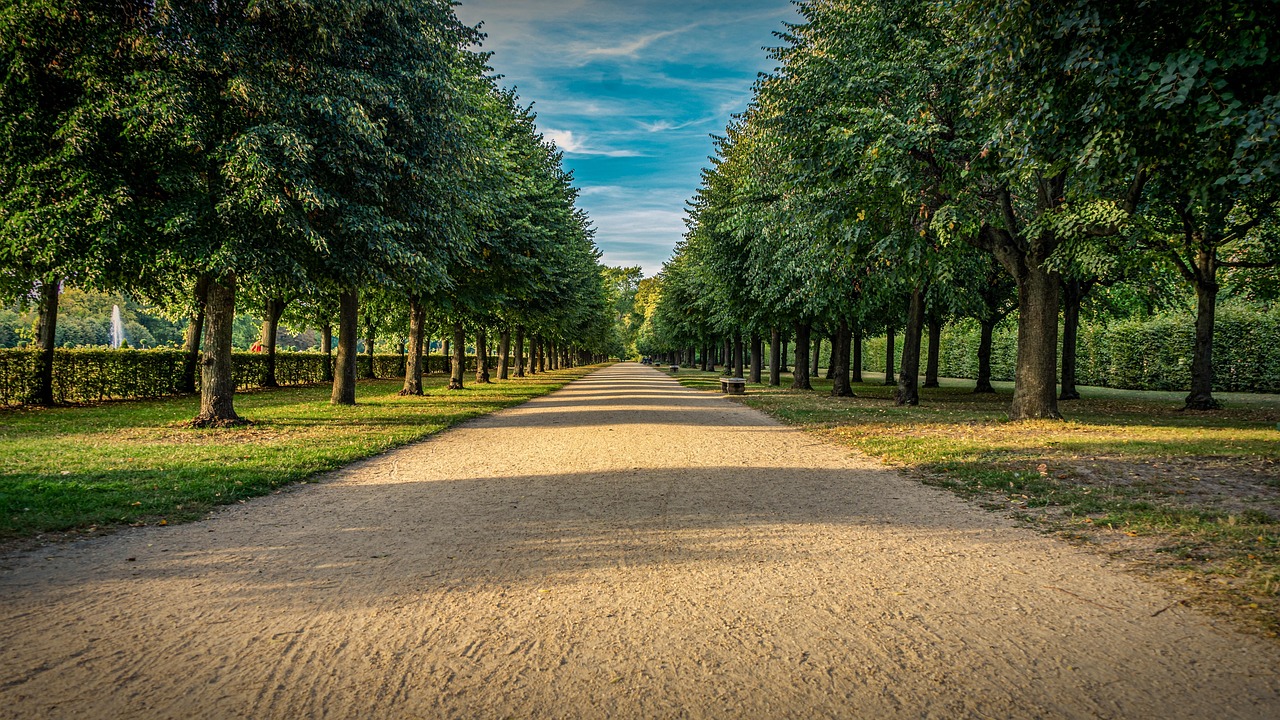
The Project in Newton
Historic properties throughout Newton, from Victorian residences in Newton Centre and West Newton Hill to classic Colonials in Chestnut Hill, require landscape features that honor architectural heritage. While poured concrete or rigid mortared brick often cracks over New England freeze-thaw cycles, a traditional stone pathway flexes naturally with seasonal ground movement. Constructing a permeable gravel walkway Newton MA feature protects historic curb appeal while allowing rainwater to reach mature specimen trees without damaging delicate roots. Homeowners undertaking residential restoration can order dependable gravel delivery in Newton to source authentic quarry aggregates.
Choosing historical aggregate textures ensures paths remain stable underfoot through all four seasons. Browse popular materials for this area:
- Walkway gravel → Best for firm, non-shifting traditional footpaths and garden trails.
- Stone dust → Best for binding angular stone chips into a dense, historic walking surface.
- 1/4″ minus base gravel → Best for compacting smooth leveling layers beneath walkway stone.
Learn more in our guide to walkway gravel.
Why Newton’s Soil and Climate Shape This Project
Newton’s landscape rests on stony glacial till and drumlins composed of Newport and Merrimac sandy loams loaded with weathered granite cobbles. These soils offer good drainage in sandy areas, but lower-elevation pockets near the Charles River feature dense hardpan that retains moisture. When winter arrives, moisture in New England soils freezes deeply, with local frost depths reaching forty to forty-eight inches. Rigid concrete paths lift and crack when frozen, while loose gravel paths adjust flexibly to frost movement without breaking.
Mature sugar maples, white oaks, and American elms line historic residential streets across Newton. Paving over root zones with impermeable slabs suffocates roots and causes pavement buckling. A crushed stone path over geotextile underlayment maintains soil oxygen exchange and moisture percolation, protecting valuable canopy trees while providing an unyielding walking corridor through changing seasons.
Best Gravel and Stone Options for Older Homes in Newton
Selecting aggregate for your gravel walkway Newton MA installation balances traditional period aesthetics with modern stability.
| Material | Best Used For | Key Advantage in Newton |
|---|---|---|
| Walkway Gravel (3/8″ Crushed) | Primary walking paths and entry walks | Fractured multi-sided edges lock together to prevent stone scatter. |
| Stone Dust | Historic firm-pack pathways | Natural limestone fines pack into a dense, wheelchair-accessible crust. |
| 1/4″ Minus Base Gravel | Leveling base over uneven till | Fills irregular subgrade contours without creating soft pockets. |
| Pea Gravel | Casual garden perimeters and sitting rings | Rounded river stones provide soft natural texture around perennial beds. |
Crushed walkway stone (3/8-inch minus) represents the gold standard for period Newton properties. Unlike rounded river gravel that rolls under leather soles, angular crushed chips pack flat under foot traffic. Blending crushed stone with stone dust produces a historic packed-earth appearance that withstands heavy winter snow shoveling without shifting.
Step-by-Step Historic Walkway Installation
Build a long-lasting, architecturally sympathetic gravel path in Newton with these guidelines.
- Map path alignment: Lay garden hoses to establish curving lines around mature trees, maintaining a three- to four-foot width.
- Excavate subgrade carefully: Dig down four to six inches, taking care not to sever tree roots larger than two inches in diameter. Similar careful path excavation is practiced in Waltham.
- Install rigid border edging: Set reclaimed granite cobblestones or heavy steel edging along both sides, staking securely into native till.
- Lay needle-punched landscape fabric: Position non-woven geotextile fabric along the trench to suppress weeds while allowing root aeration.
- Place and compact base gravel: Spread two to three inches of 1/4-inch minus base gravel, compacting firmly with a mechanical plate tamper.
- Spread and roll surface aggregate: Add two inches of walkway gravel blended with stone dust. Roll with a water-filled landscape roller to lock the surface.
How Much Gravel Do You Need?
Calculate required materials using standard formulas: Multiply path length by width by stone depth in feet to get cubic feet, divide by 27 for cubic yards, and multiply cubic yards by 1.4 to calculate total required tons.
Consider a 60-foot-long by 3-foot-wide garden walkway in Newton (180 square feet) requiring a three-inch (0.25-foot) compacted layer of walkway gravel:
180 sq ft × 0.25 ft = 45 cubic feet.
45 / 27 = 1.67 cubic yards.
1.67 × 1.4 = 2.34 tons.
Adding a ten percent allowance for edge compaction yields approximately 2.6 tons of gravel, easily delivered in a single small truck drop.
Common Mistakes to Avoid in Newton
- Severing large structural tree roots: Cutting tree roots during excavation destabilizes mature shade trees and causes tree decline.
- Skipping structural edging: Without granite cobblestone or steel borders, crushed stone quickly spills into adjacent lawn turf.
- Using smooth rounded river stones: Round stones roll underfoot and cannot form a firm walking surface for historic entryways.
- Installing impermeable plastic sheeting: Plastic suffocates tree root zones and traps water, creating slick winter ice patches.
- Placing surface gravel too deep: Walkway stone deeper than two and a half inches creates an unstable, spongy walking surface.
Local Sourcing, Permitting, and Delivery in Newton
Properties within Newton’s historic districts (such as Chestnut Hill or Newton Upper Falls) may require design review from the Newton Historical Commission before changing front yard hardscape layouts. Consult technical soil and horticultural resources from UMass Extension for guidance on protecting mature urban trees.
Newton’s residential streets can be narrow and lined with parked vehicles. Ensure clear overhead clearance from low utility wires before requesting bulk aggregate delivery in Newton, and place plywood on your driveway to protect historical pavers.
Frequently Asked Questions
Will snow shovels scrape up gravel walkways in winter?
Using a plastic snow shovel held one-half inch above the stone surface prevents aggregate disruption. Compacted crushed walkway stone blended with stone dust forms a hard crust that resists shovel catches far better than loose pea gravel.
Can a gravel walkway accommodate strollers and wheelchairs?
Yes. When built with crushed walkway stone and compacted stone dust over a firm aggregate base, the surface packs dense and flat, meeting accessibility guidelines.
How do I stop weeds from growing in my historic path?
Install heavy needle-punched geotextile fabric beneath the stone base. For windblown seeds that land on the surface, light hand weeding or occasional vinegar spraying controls growth effectively.
Are granite cobblestones required as edging in Newton?
While not universally required, granite cobblestones or Belgian blocks provide a historically accurate border that matches Newton’s architectural character while anchoring stone edges.
Related Resources
- Walkway Gravel Specifications
- Stone Dust Product Information
- 1/4″ Minus Base Gravel Specifications
- Comprehensive Walkway Gravel Guide
Final Thoughts
A well-built gravel walkway Newton MA installation provides timeless elegance, tree protection, and durable access for historic properties. Explore complete gravel and landscape stone services across Massachusetts to discover premium quarry aggregates. Contact Simple Gravel to check delivery schedules and schedule your Newton gravel delivery with complete confidence.











