




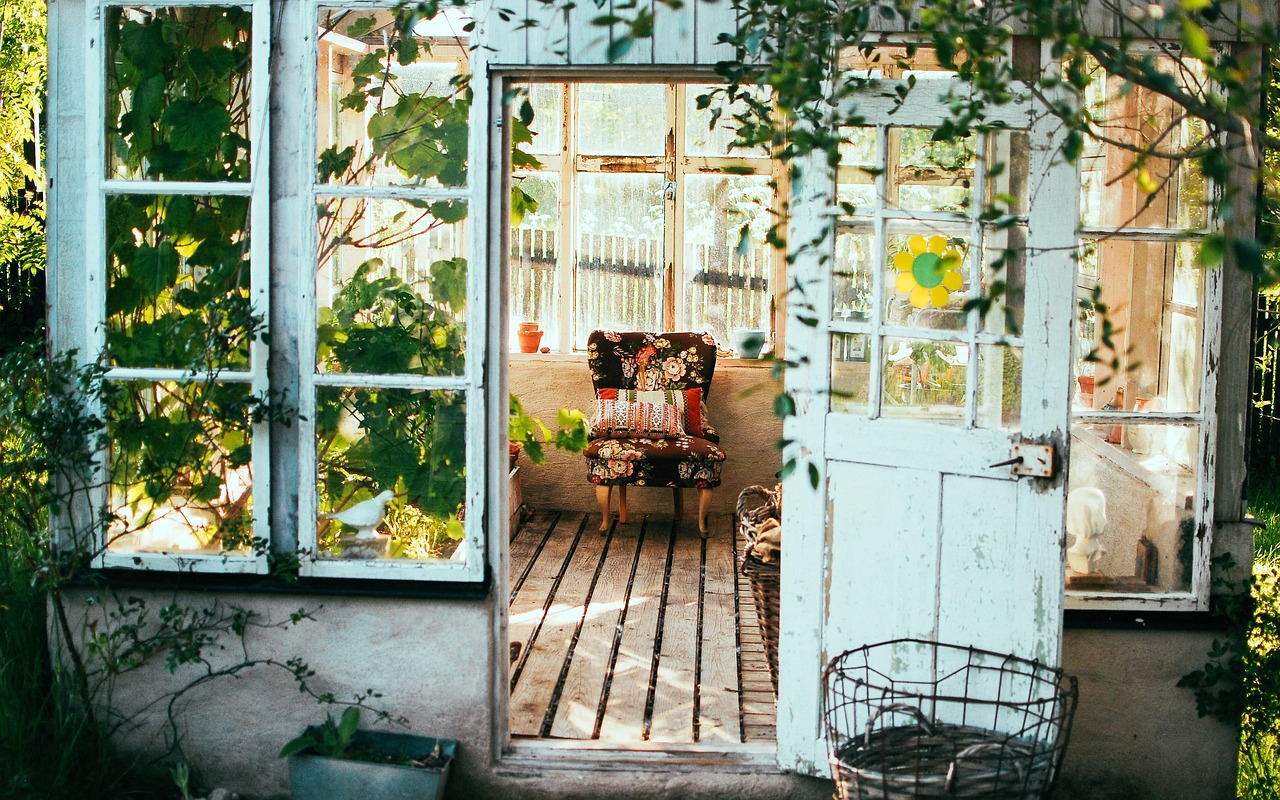
Cultivating vibrant heirloom vegetables, starting seasonal floral seedlings, and overwintering delicate perennials in Independent Hill, Virginia requires a well-engineered greenhouse foundation. Located in southern Prince William County, local residential acreages and hobby farms experience chilly winter freezes, muddy spring thaws, and humid summer afternoons. Constructing a clean, free-draining greenhouse base Independent Hill VA gardeners rely on establishes an unyielding, mud-free floor that supports greenhouse frames, provides thermal heat retention, and drains routine irrigation runoff instantly. Building an aggregate floor using clean crushed stone and pea gravel prevents standing water, resists algae formation, and deters burrowing garden rodents. Coordinating prompt bulk delivery through Independent Hill aggregate delivery brings crushed stone, pea gravel, and enriched soil directly to your property.
Why a Solid Greenhouse Base Independent Hill VA Growers Need Matters
Setting a hobby greenhouse directly over bare earth or sod quickly leads to structural and sanitary problems. Routine plant watering turns unpaved dirt floors into soupy mud that attracts fungus gnats, harbors plant root rot pathogens, and creates slippery walking conditions.
A porous crushed stone base solves these issues effectively. Excavating native topsoil, installing heavy commercial weed barrier fabric, and backfilling with clean crushed stone creates a self-draining floor. Excess hose water filters instantly through stone voids into subsoils below, keeping walking aisles dry and sanitary. Additionally, dense gravel absorbs solar heat during sunny afternoons and radiates that thermal warmth upward into the greenhouse during cold Virginia nights, moderating interior temperatures.
Essential Aggregates for Independent Hill Greenhouse Floors
Selecting clean, uncrushed or angular stone aggregates ensures comfortable footing and optimal drainage. Top aggregate selections include:
- → #89 crushed stone: Small, angular 3/8-inch crushed stone chips that interlock into a smooth, level walking floor that drains instantly.
- → Pea gravel: Smooth rounded 3/8-inch alluvial pebbles that provide an attractive, clean greenhouse floor that feels comfortable under foot.
- → Garden soil: Rich organic planting blend used for interior raised greenhouse planting beds and propagation containers.
Arranging scheduled dump truck drop-offs through Independent Hill aggregate delivery ensures your construction crew receives clean materials right when building commences.
Comparing Flooring Aggregates for Hobby Greenhouses
Evaluating performance characteristics helps Prince William County gardeners choose the best flooring material for their growing style:
| Greenhouse Floor Material | Footing Comfort & Stability | Drainage & Thermal Mass |
|---|---|---|
| #89 Clean Crushed Stone Chips | High stability, locks firmly under foot | Instant water drainage, excellent solar heat mass |
| Washed Smooth Pea Gravel | Comfortable foot feel, pleasant aesthetic | Fast drainage, easy to sweep clean of potting soil |
| Poured Solid Concrete Slab | Maximum structural stability, easy rolling carts | Zero natural drainage, requires floor drains, expensive |
| Heavy Woven Geotextile Fabric | Underlayment barrier under gravel | Completely blocks weeds, stops stone sinking into clay |
Managing Prince William County Clay and Humidity
Independent Hill features dense Piedmont clay soils that swell when saturated and hold groundwater close to the surface. Excavating a level pad into clay without proper aggregate drainage results in water collecting beneath greenhouse benches, creating high humidity that encourages fungal leaf diseases like powdery mildew and botrytis.
Contractors excavate six to eight inches of topsoil, level the clay subgrade with a subtle slope toward an exterior drainage swale, and line the excavation with heavy woven geotextile fabric. Installing a four-inch base of dense crushed stone capped with two inches of #89 stone or pea gravel creates a clean, durable floor. Incorporating greenhouse management advice from Virginia Cooperative Extension helps growers optimize winter heating efficiency and pest prevention. Gardeners building hobby greenhouses in neighboring communities like University of Virginia, VA utilize these identical aggregate base guidelines to ensure optimal plant growing conditions.
Step-by-Step Construction of a Greenhouse Gravel Base
Follow these construction phases to build a dependable, free-draining greenhouse foundation:
- Excavate the Footprint: Dig out the greenhouse site six to eight inches deep, extending the excavation twelve inches beyond the greenhouse frame on all sides.
- Level and Tamp Native Soil: Compact the native clay subsoil thoroughly with a mechanical tamper, checking elevation with a carpenter’s level.
- Build Timber Perimeter Foundation: Anchor pressure-treated six-by-six timbers around the perimeter using half-inch rebar stakes driven three feet into the earth.
- Install Commercial Geotextile: Lay heavy woven weed barrier fabric across the interior, running fabric up the inside walls of the perimeter timbers.
- Spread Clean Base Gravel: Deposit three to four inches of clean crushed aggregate across the floor and tamp until firm.
- Apply Top Finish Stone: Spread a two-inch wearing surface of clean #89 crushed stone or pea gravel, raking level to create a smooth walking aisle.
Calculating Greenhouse Base Gravel Volume and Weight
Accurate material estimation ensures your site prep progresses smoothly without mid-day material shortages. Calculate volume by multiplying total pad length by width by planned depth in feet, then divide by twenty-seven to determine cubic yards. Convert cubic yards to delivered tonnage using aggregate density ratios.
Consider a popular hobby greenhouse measuring ten feet wide by sixteen feet long. Extending the gravel footprint one foot on each side gives an aggregate pad measuring twelve feet wide by eighteen feet long, totaling 216 square feet. For a six-inch total crushed stone depth (0.5 feet deep), multiply 216 by 0.5 to find 108 cubic feet. Dividing by twenty-seven yields 4.0 cubic yards of aggregate. Because washed clean crushed stone weighs approximately 1.35 tons per cubic yard, multiply 4.0 by 1.35 to calculate 5.4 tons of stone. Ordering 5.5 to 6.0 tons provides ample material to fill the timber perimeter and create an exterior splash apron around greenhouse drip lines. Review our specialized #89 crushed stone material guide to study chip sizes and drainage properties.
Frequently Asked Questions About Independent Hill Greenhouse Bases
Why is a gravel floor better than a poured concrete slab in a greenhouse?
A gravel floor drains spilled irrigation water instantly without expensive plumbing drains. Gravel also costs significantly less, is easier to install, and provides excellent solar thermal heat mass.
How do I anchor a lightweight aluminum greenhouse to a gravel base?
Fasten the aluminum greenhouse sill track directly to the sturdy treated timber foundation perimeter using heavy galvanized lag screws or masonry anchors.
Can burrowing mice and rodents dig through a gravel greenhouse floor?
Rats and voles cannot easily tunnel through sharp, compacted crushed aggregate. Installing a layer of heavy galvanized hardware cloth beneath the gravel adds impenetrable pest security.
How do I clean potting soil off a pea gravel greenhouse floor?
Potting soil and plant debris can be swept with a stiff outdoor broom or hosed down with a spray nozzle: water filters through the gravel, washing dust into subsoils naturally.
Order Premium Greenhouse Aggregates in Independent Hill, VA
Establish the ideal growing environment with the dependable, free-draining greenhouse base Independent Hill VA gardeners trust for year-round plant vitality. Book your scheduled aggregate delivery through our experienced Independent Hill aggregate delivery team today.











