




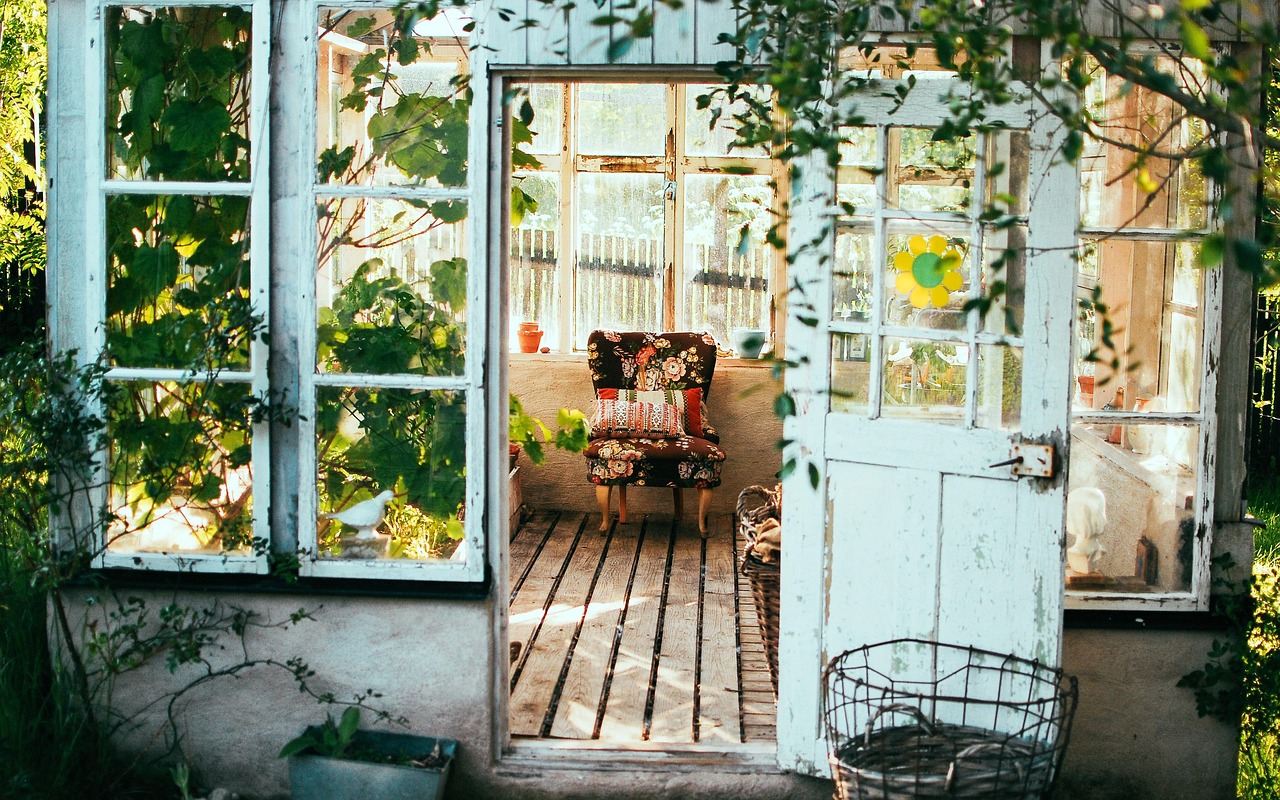
Cultivating tender vegetables, propagation cuttings, and citrus plants on the Gig Harbor peninsula requires a well-drained, insulated growing structure. Constructing a stable greenhouse base Wollochet WA gardeners recommend ensures level foundation framing, instant floor drainage, and excellent thermal mass. Situated in Pierce County along Wollochet Bay southwest of Gig Harbor, Wollochet features rolling terrain, marine fog, heavy winter rainfall, and glacial till subsoils. Erecting a glass or polycarbonate greenhouse directly over bare lawn or native dirt invites continuous mud, pooling irrigation runoff, and foundation shifting. High humidity inside an ungraveled greenhouse creates standing water puddles on soil floors, encouraging root rot, damping-off fungus, and moss growth on benches. Laying an engineered floor of washed #89 crushed stone or smooth pea gravel over heavy weed fabric allows spilled irrigation water to drain freely into the earth while maintaining a clean, slip-resistant walking surface. Placing an order through Wollochet aggregate delivery brings clean stone, decorative gravel, and rich garden soil directly to your greenhouse site.
Why an Engineered Greenhouse Base Wollochet WA Gardeners Build Is Critical
Greenhouses generate significant interior moisture from daily hose watering, plant transpiration, and misting systems. Without a porous floor, water collects in low spots, creating slick algae patches and muddy walkways.
Furthermore, exterior greenhouse wall perimeters require solid structural support to resist winter windstorms blowing off Puget Sound. A compacted gravel perimeter pad locks foundation timbers firmly in place while stopping burrowing rodents from tunneling beneath seed trays. Aggregates absorb solar heat during sunny daylight hours and release warmth back into the greenhouse at night, buffering fragile seedlings against chilly coastal frosts.
Top Bulk Materials for Peninsula Greenhouse Foundations
Building a high-performance greenhouse involves integrating durable flooring aggregates with nutrient-rich raised bench soils:
- → #89 crushed stone: Small angular crushed aggregate chips that lock tightly under foot, providing a level, free-draining, and stable floor beneath heavy plant benches.
- → Pea gravel: Smooth, naturally rounded river stone that offers exceptional drainage, pleasant walking comfort, and high heat absorption.
- → Garden soil: Rich, pre-blended organic planting mix ideal for filling raised interior planting beds and floor-level vegetable planters.
Coordinating delivery through Wollochet aggregate delivery ensures your landscaping crew receives fresh materials right at your greenhouse perimeter.
Comparing Flooring Options for Backyard Greenhouses
Reviewing flooring materials helps Wollochet property owners select the optimal foundation for greenhouse efficiency and cleanliness:
| Greenhouse Flooring Material | Water Drainage Capacity | Thermal Mass & Cleanliness |
|---|---|---|
| #89 Angular Crushed Stone | Superior; water permeates instantly | High; stone chips lock firmly and stay clean under hose spray |
| Washed Round Pea Gravel | Exceptional; 100 percent free-draining | High; attractive appearance and absorbs solar heat readily |
| Poured Concrete Slab | Zero natural drainage; requires floor drains | High thermal mass but gets slick with algae and expensive |
| Interlocking Patio Pavers | Moderate; drains through sand joints | Good; durable but requires extensive leveling subbase |
| Native Bare Dirt Floor | Very poor; turns to muddy soup | Unacceptable; breeds fungal spores, mold, and insect pests |
Step-by-Step Construction of a Stable Greenhouse Base
Constructing the greenhouse base Wollochet WA gardeners depend on begins with selecting a south-facing location receiving maximum winter sunlight. Mark a perimeter extending at least one foot beyond your greenhouse framing on all sides. Excavate the area to a depth of four to six inches, stripping away turf sod, roots, and loose soil. Pitch the excavation floor slightly to ensure positive outward drainage.
Construct a sturdy perimeter foundation frame using ground-contact treated 4×4 or 4×6 timbers. Level the timbers precisely using a builder level, squaring the frame by verifying equal diagonal corner measurements. Anchor the timbers into the earth with two-foot steel rebar spikes driven through pre-drilled holes.
Line the entire interior floor and inside timber walls with heavy-duty commercial woven weed barrier fabric, securing it with landscape staples. Spread three to four inches of washed #89 crushed stone or pea gravel evenly across the floor. Rake the aggregate level and tamp it firmly to create a rock-solid, mud-free floor ready for greenhouse frame assembly.
Wollochet Coastal Weather, Marine Soils, and Drainage
Wollochet lies along the saltwater shoreline of Puget Sound, characterized by sandy glacial outwash and gravelly loam soils underlain by dense basal till. Saturated winter conditions and high coastal humidity make interior moisture control paramount for plant health.
Reviewing our #89 crushed stone material guide outlines particle dimensions and void percolation rates. Backyard growers in eastern Washington communities like Mead, WA utilize these same clean aggregate base principles to manage moisture and maintain clean growing structures.
Calculating Greenhouse Stone and Soil Quantities
Accurate material calculations prevent running short during weekend construction projects. Calculate required cubic yards based on floor dimensions and planned aggregate depth:
Formula: Length (feet) × Width (feet) × Depth (feet) ÷ 27 = Total Cubic Yards
For example, a hobby greenhouse measuring 12 feet wide by 20 feet long with a foundation frame measuring 14 feet by 22 feet covers 308 square feet. For a four-inch stone floor (0.33 feet) of #89 crushed stone: 308 × 0.33 ÷ 27 = 3.76 cubic yards. At approximately 1.35 tons per cubic yard: 3.76 × 1.35 = 5.08 tons of crushed stone. If you also build interior raised planting boxes along the side walls measuring 3 feet wide, 16 feet long, and 1.5 feet deep on both sides (144 cubic feet total): 144 ÷ 27 = 5.33 cubic yards of rich garden soil (approx. 6.4 tons). Order both materials in a single bulk delivery. Add ten percent extra for corner compaction.
Frequently Asked Questions About Wollochet Greenhouse Bases
Is gravel better than concrete for a greenhouse floor?
Yes. Gravel floors provide built-in drainage for daily plant watering, cost a fraction of poured concrete, absorb solar thermal heat, and allow easy plumbing and electrical line routing.
What size gravel is most comfortable to walk on in a greenhouse?
Both #89 crushed stone and 3/8-inch pea gravel provide comfortable, stable walking surfaces. The angular chips in #89 stone lock tightly, making it especially easy to roll carts and stepstools.
How do I prevent weeds from growing through the greenhouse floor?
Installing commercial-grade, woven polypropylene landscape fabric beneath the gravel completely blocks weeds and root penetration while allowing water to pass through effortlessly.
Can I set greenhouse heating tables directly on the gravel?
Yes. Compacted crushed stone easily supports heavy greenhouse benches, propagation tables, and large water-filled thermal storage barrels without sinking or shifting.
Equip Your Greenhouse with Bulk Aggregates Today
Build a professional growing environment that enhances your garden productivity in every season. Ordering materials for the greenhouse base Wollochet WA growers rely on through Wollochet aggregate delivery brings fresh stone and garden soil directly to your property. Find cold frame management and greenhouse cultivation tips through Washington State University Extension resources to support your horticultural plans.











