




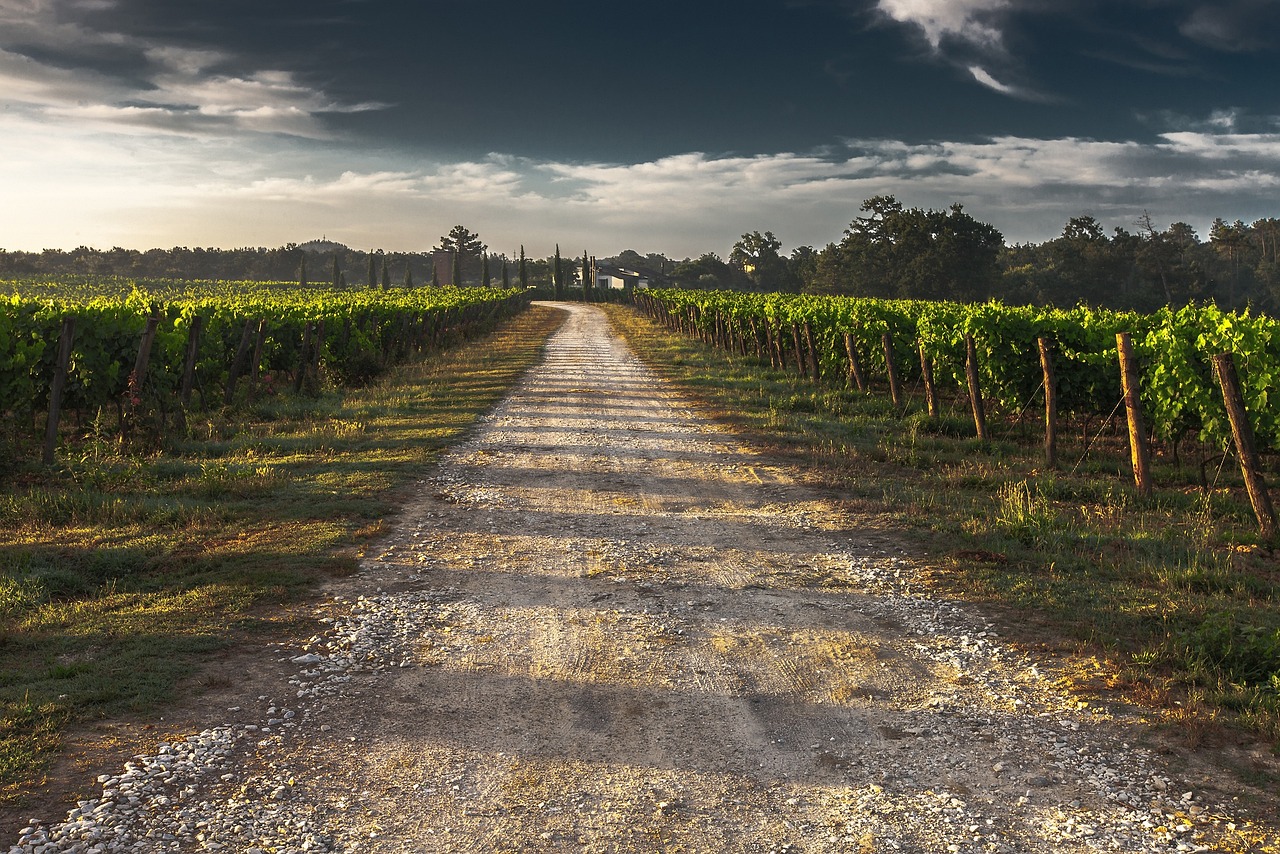
The Project in Ham Lake
Ham Lake is an Anoka County community known for acreage parcels, stables, and hobby farms along Crosstown Boulevard. Residents manage barns and utility sheds requiring dependable access. However, operating tractors and trailers over acreage presents constant challenges. Saturated peat and sand lose load capacity during rains, creating mud ruts that trap vehicles. Constructing a resilient hobby farm gravel Ham Lake MN access lane and barn pad requires deep road base gravel, crushed run, and #4 ballast stone over wet ground. Property owners can maintain firm access year-round by scheduling reliable gravel delivery in Ham Lake.
Selecting angular quarry aggregates creates interlocking stone courses that support daily agricultural traffic. Browse popular materials for this area:
- Road base gravel → Best for compacting crowned farm access lanes that shed snowmelt and resist loaded trailer ruts.
- Crushed run → Best for pole barn interior floors, livestock utility aprons, and firm parking turnarounds.
- #4 crushed stone → Best for subgrade ballast over saturated peat, swampy farm swales, and paddock mud control.
Learn more in our guide to road base gravel.
Why Ham Lake’s Soil and Climate Shape This Project
Ham Lake sits within the Anoka Sand Plain, characterized by Zimmerman sand and Rifle peat. While sand drains quickly, low parcels feature organic muck and water tables rising within twelve inches during spring thaws. Hooves and tractor tires quickly churn wet soil into impassable mud.
Anoka County winters push ground frost forty-eight to fifty-four inches deep. When snow melts over frozen subsoils, water cannot drain, causing lanes to collapse under trailers. A ten-to-twelve-inch aggregate base over woven geotextile fabric bridges soft soils, spreading wheel loads.
Best Aggregates for Hobby Farm Lanes and Pads in Ham Lake
Selecting proper stone gradations ensures your hobby farm gravel Ham Lake MN installation remains firm through muddy spring thaws.
| Material | Best Used For | Key Advantage in Ham Lake |
|---|---|---|
| Road Base Gravel (Class 5) | Primary crowned farm lane driving surfaces | Crushed limestone and rock dust pack into an unyielding, water-shedding crust. |
| Crushed Run (1″ Minus) | Pole barn floors and equipment parking aprons | Angular stone facets interlock tightly, creating a stable surface for heavy equipment. |
| #4 Crushed Stone (2″ Clean) | Subgrade ballast over swampy peat pockets | Large angular rock bridges soft muck without sinking, providing a stable foundation. |
| Crushed Concrete | Economical bulk base fill for long acreage lanes | Recycled aggregate delivers high structural strength at budget-friendly pricing. |
Road base gravel (MNDOT Class 5) is the primary material for farm lanes. Its calibrated mixture of crushed stone chips and mineral dust packs under rolling, creating an unyielding crust that sheds rainwater into perimeter ditches. For wet paddock gates and swampy crossings, adding an initial lift of #4 ballast stone prevents road collapse.
Step-by-Step Farm Lane and Barn Pad Construction
Build a rugged, long-lasting agricultural gravel lane in Ham Lake using these field-proven installation steps.
- Clear vegetation and muck: Strip topsoil and peat down to firm mineral subsoil across a twelve-to-fourteen-foot road corridor. Similar rural grading is done in Blaine.
- Crown the subgrade: Grade the subsoil with a four percent centerline crown (one-half inch rise per foot) sloping toward drainage swales.
- Lay woven geotextile: Roll heavy-duty six-ounce woven geotextile across roadbed, overlapping joints by two feet to prevent stone loss into muck.
- Install #4 ballast stone: Spread four to six inches of #4 crushed stone across spongy ground and roll with a heavy compactor.
- Place road base gravel in lifts: Distribute six to eight inches of Class 5 road base gravel in two lifts, maintaining the crowned profile.
- Moisten and compact: Spray water across aggregate layers and compact thoroughly with a heavy roller to lock particles securely.
How Much Farm Aggregate Do You Need?
Calculate farm lane aggregate tonnage using standard formulas: Multiply lane length by width by stone depth in feet to get cubic feet, divide by 27 for cubic yards, and multiply cubic yards by 1.4 to calculate total required tons.
Consider a 300-foot hobby farm lane in Ham Lake that is 12 feet wide (3,600 square feet) requiring an eight-inch (0.67-foot) compacted base of Class 5 road base gravel:
3,600 sq ft × 0.67 ft = 2,412 cubic feet.
2,412 / 27 = 89.33 cubic yards.
89.33 × 1.4 = 125.06 tons.
Adding a ten percent reserve for low spots and subgrade compaction yields approximately 138 tons of aggregate, delivered in six commercial tri-axle dump truck loads.
Common Mistakes to Avoid in Ham Lake
- Skipping woven geotextile fabric: Placing crushed stone directly on Anoka County peat allows soft muck to swallow aggregate within a single season.
- Grading farm lanes flat without a crown: Flat farm roads accumulate water puddles that soften the aggregate base, leading to rapid pothole formation.
- Using rounded field stone for driving surfaces: Rounded gravel rolls under vehicle tires and horse hooves, preventing formation of a solid crust.
- Failing to provide drainage swales: Water shedding off the lane must have clear roadside swales to prevent saturated subgrade shoulders.
- Compacting road base while bone dry: Road base requires moderate moisture to achieve maximum packing density during roller passes.
Local Sourcing, Permitting, and Delivery in Ham Lake
The City of Ham Lake and the Coon Creek Watershed District regulate wetland crossings, culvert installations, and extensive grading on acreage parcels. Connecting a new agricultural approach to a county road requires an access permit from the Anoka County Highway Department. Routine gravel maintenance on private farm lanes does not require municipal permits. For pasture soil management and paddock drainage tips, review guides from the University of Minnesota Extension.
Ensure wide gate clearances and trim overhanging tree branches to fourteen feet before scheduled deliveries. Commercial tandem and tri-axle trucks require stable ground to discharge stone safely. Schedule dependable bulk aggregate delivery in Ham Lake.
Frequently Asked Questions
What is the best gravel for horse paddocks and barn entries?
A compacted base of road base gravel topped with a light layer of pea gravel or stone dust provides firm support while protecting horse hooves from sharp rock edges.
How thick should a gravel floor be inside a pole barn?
For parking tractors and heavy horse trailers, install six to eight inches of compacted crushed run or Class 5 road base gravel over heavy woven geotextile fabric.
Can crushed concrete be used for farm driveways?
Yes. Crushed concrete is an economical, highly durable aggregate that binds tightly under compaction, making it an excellent base course for long agricultural lanes.
How do I prevent spring mud from swallowing my farm gravel?
Install heavy-duty woven geotextile fabric beneath your aggregate profile and place a sacrificial layer of #4 ballast stone over saturated subsoils before adding road base.
Related Resources
- Road Base Gravel Specifications
- Crushed Run Product Information
- #4 Crushed Stone Details
- Comprehensive Road Base Guide
Final Thoughts
Installing an engineered hobby farm gravel Ham Lake MN lane and equipment pad protects valuable machinery, keeps horses safe from mud rot, and ensures dependable all-weather access across your acreage. Explore our full range of gravel and landscape stone services across Minnesota to source high-volume limestone and ballast stone. Contact Simple Gravel today to calculate your farm aggregate tonnage and schedule your Ham Lake gravel delivery with complete confidence.











