
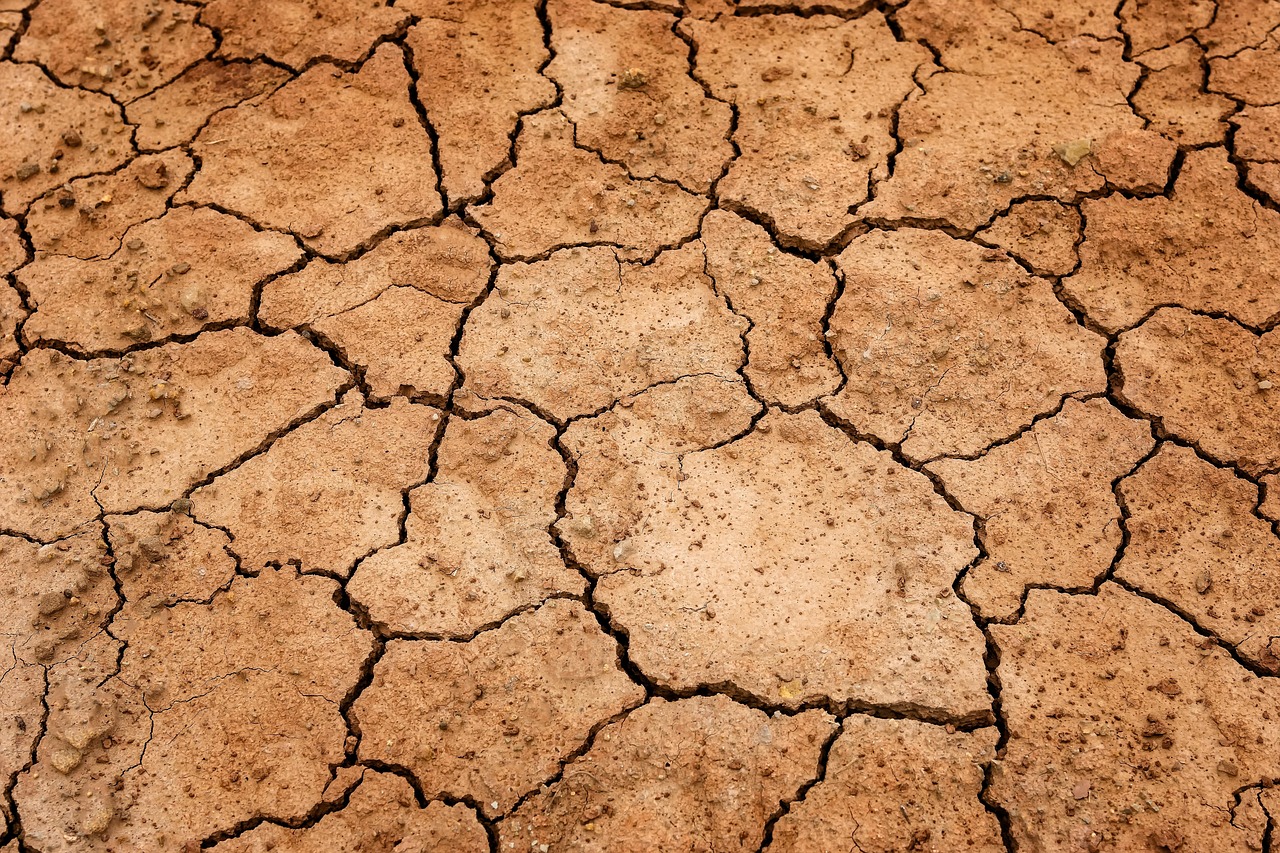
Transforming heavy, waterlogged ground into well-drained, productive residential turf and garden loam across Illinois requires implementing effective Illinois clay soil fixes. Across the state, from the dense glacial till of northeastern counties to the deep silt and clay soils of central farmland, homeowners face severe drainage obstacles. During wet spring thaws and heavy summer storms, Illinois clay subsoils swell, sealing off surface pores and leaving yards covered in standing puddles for days. In dry summer months, unamended clay bakes into rock-hard crusts that crack deeply and choke shallow grass roots. Adopting practical Illinois clay soil fixes allows property owners to break dense compaction, restore natural soil aeration, and establish efficient stormwater drainage channels. Property owners can schedule rapid bulk deliveries through our Illinois aggregate delivery page to secure dark compost soil, clean #57 stone, and premium screened topsoil direct to their property.
Aerating dense clay with organic compost and installing clean aggregate drainage channels permanently eliminates yard puddles and promotes deep root growth.
To inspect Illinois State Geological Survey soil maps, glacial till profiles, and University of Illinois Extension soil amendment guidelines, check:
Illinois Soil Composition and Glacial Drift Geology (Wikipedia)
Why Glacial Drift Demands Proven Illinois Clay Soil Fixes
Illinois soils formed over tens of thousands of years through repeated glacial movements that deposited fine rock flour and dense clay till. These microscopic clay platelets carry an electrostatic charge that binds them tightly together when wet, eliminating macro-pores needed for root respiration and water movement. When heavy Midwestern storms strike, rainfall sheets over compacted ground toward basement window wells and foundation walls. Applying proven Illinois clay soil fixes prevents foundation dampness and transforms lifeless clay into friable garden loam.
Rich organic compost soil introduces humic acids and active microbial communities that flocculate clay particles into loose, crumbly aggregates. Clean #57 stone provides high-void drainage channels for French drains and foundation footer trenches that safely divert excess groundwater away from home basements. In established suburban communities like Oak Forest and fast-growing towns near Gilberts, amending heavy clay with bulk compost soil restores lush lawn growth.
- Rich fully decomposed organic humus soil amendment → Compost soil
- Clean angular French drain and foundation gravel → #57 stone
- Fine weed-free lawn leveling and planting loam → Screened topsoil
- Protective moisture-retaining organic cover → Bark mulch
Recommended Material Strategies for Amending Illinois Clay
Explore this targeted breakdown of organic amendments and clean drainage aggregates designed to conquer Illinois clay soils.
| Remediation Aggregate | Physical Composition | Soil Remediation Function |
|---|---|---|
| Organic Compost Soil | Microbial humus and decomposed plant matter | Breaks clay platelet bonds, increases soil aeration, and provides balanced nutrients. |
| #57 Crushed Stone | 3/4″ Clean angular crushed aggregate | Maintains 40% void ratios in French drains to relieve hydrostatic ground pressure. |
| Screened Topsoil | Dark pulverized sandy loam | Blended 50/50 with compost to build raised vegetable beds and level low turf areas. |
| Hardwood Bark Mulch | Shredded aged forest timber | Protects amended clay beds from baking in summer heat while retaining moisture. |
Amending Garden Beds and Lawns with Organic Compost
When working with compacted Illinois clay, never attempt to loosen the soil by adding fine sand. Combining fine sand with dense clay produces an unworkable mixture resembling concrete mortar. The only proven natural method for loosening dense clay is working in generous amounts of organic compost soil.
Spread a three- to four-inch layer of rich compost soil over bare clay garden beds. Use a rear-tine rototiller or garden spade to incorporate the compost six to eight inches deep into the native soil profile. Organic humus acts as a biological spacer between clay platelets, creating macro-pores that drain water during wet spells while holding essential moisture during dry summer droughts. In northern lake regions like Round Lake Park, incorporating compost prevents surface water from standing near home foundations. Review our detailed compost soil material guide for specialized organic blending ratios and vegetable garden tips.
Installing Clean Gravel French Drains in Clay Yards
Because heavy clay absorbs surface water slowly, low-lying lawn depressions often remain soggy for days after a storm. Excavating a sloped trench twelve to eighteen inches deep and backfilling with clean washed #57 stone creates an underground highway that intercepts surface water before it pools. Wrap the gravel trench in non-woven geotextile filter fabric to keep fine clay silt from clogging the stone voids over time.
Benefits of Bulk Landscape Material Delivery Across Illinois
- Delivers cubic yards of nutrient-rich compost directly onto your driveway or garden area.
- Far more economical than purchasing dozens of heavy, plastic-wrapped retail bags.
- Screened bulk materials arrive uniform, clean, and free from invasive weed seeds and roots.
- Professional drivers navigate residential neighborhood avenues and tight alleys smoothly.
Calculating Compost and Topsoil Quantities Accurately
Proper volumetric calculation ensures your soil amendment project proceeds without delays. Measure project length in feet by width in feet to determine square footage. Multiply square footage by planned material depth in inches, then divide by 324 to find required cubic yards. Compost and screened topsoil weigh approximately 1.1 to 1.3 tons per cubic yard.
For example, to amend a 900-square-foot garden bed with a 3-inch layer of organic compost soil: Multiply 900 by 3 to reach 2,700. Divide 2,700 by 324 to calculate 8.33 cubic yards. Multiply 8.33 cubic yards by 1.2 tons per cubic yard to determine 10.0 tons. Ordering ten tons provides ample coverage to transform dense, unyielding clay.
Frequently Asked Questions
Why does Illinois clay soil crack during summer months?
Clay shrinks substantially as it loses water in dry heat; incorporating organic compost helps soil retain moisture and prevents deep surface cracking.
Can I add sand to my Illinois red or gray clay?
No, adding sand to clay creates a hard, brick-like texture; always use organic compost soil to improve clay structure and drainage.
How deep should I till compost into heavy clay soil?
Till three to four inches of compost soil six to eight inches deep into the soil to ensure root zones receive adequate aeration and drainage.
How often should I add compost to my lawn and beds?
Apply a one-half to one-inch top dressing of compost soil annually in spring or fall to replenish organic matter broken down by soil microbes.
Final Thoughts
Overcoming stubborn, poorly draining clay soils in Illinois requires working with soil biology through regular organic additions and gravel drainage channels. By following these practical Illinois clay soil fixes, blending nutrient-rich compost soil into planting beds, and installing clean #57 stone drainage trenches, your yard transforms into a fertile, easily workable landscape. Find your Illinois delivery area here to schedule bulk delivery of compost soil, drainage stone, and screened topsoil straight to your property.











