




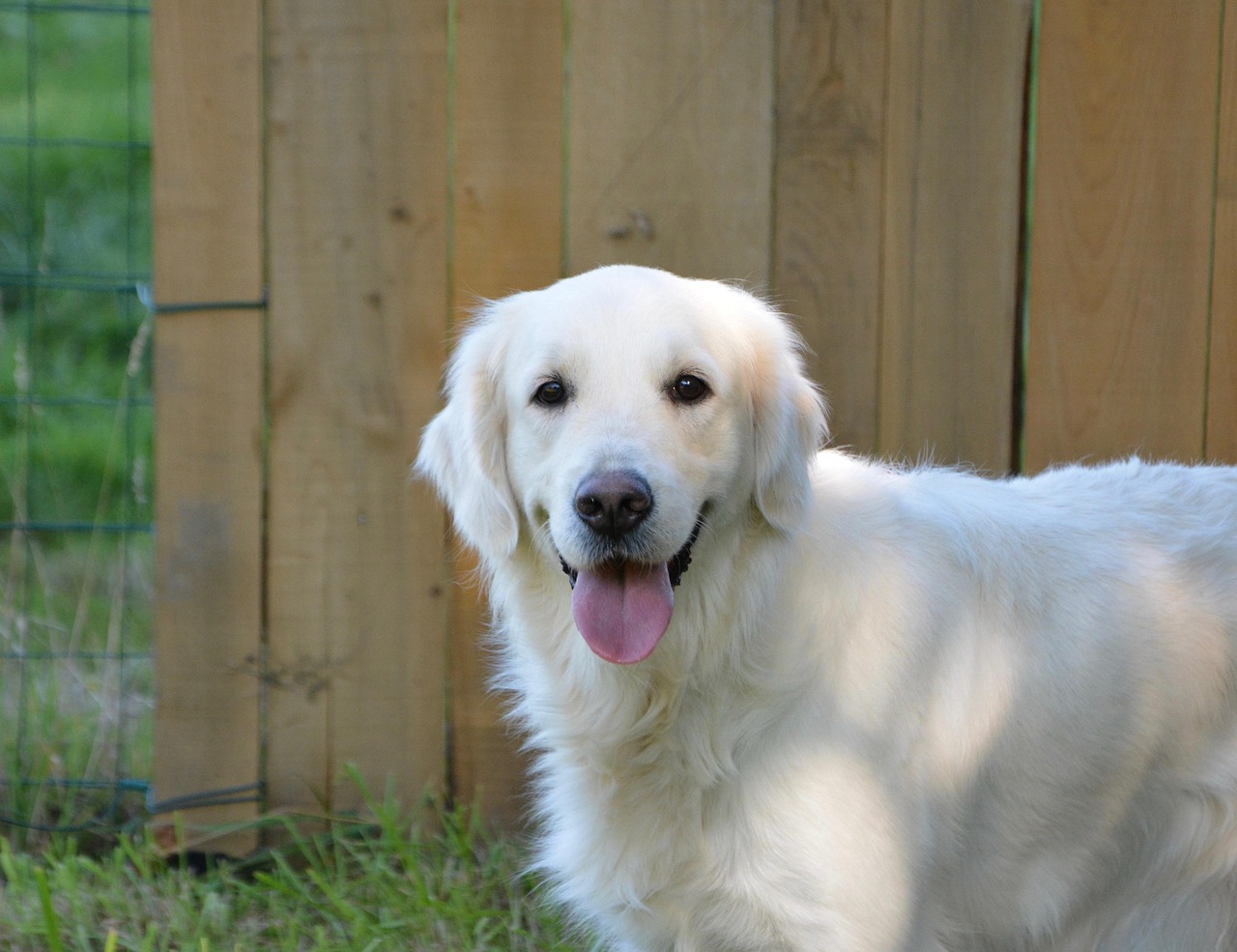
Creating an active, mud-free outdoor space for active dogs across the Hoosier State requires choosing surfacing aggregates that protect sensitive paws, drain instantly during rainy seasons, and resist digging. From suburban backyard runs in Lake County to expansive rural acreage across the Ohio River hills, unpaved lawns subjected to high-energy dogs quickly turn into barren dirt tracks and slick mud pits during wet Midwestern weather. Selecting the right Indiana dog friendly yard gravel gives pets a clean, durable surface to run, play, and relieve themselves without tracking red clay or black loam into your home. Well-chosen aggregates reduce odor buildup, eliminate lawn maintenance chores, and stand up to heavy daily exercise. Property owners across the state can browse suitable pet yard materials on our Indiana aggregate delivery page to find clean stone and mulch delivered to their area.
Constructing a durable dog run requires selecting small, rounded or micro-fractured aggregates that do not cut paw pads or lodge between dog toes. Combining permeable filter fabric with washed aggregates ensures urine and rainfall wash downward quickly into the subsoil, keeping the surface fresh and sanitary.
To inspect statewide horticultural recommendations, pet yard drainage standards, and companion animal turf safety, consult:
Purdue University Extension Yard and Pet Care Resources
Why Midwestern Weather Demands Indiana Dog Friendly Yard Gravel Solutions
Indiana experiences diverse climate zones, ranging from heavy lake-effect snows near Lake Michigan to humid subtropical storm patterns across southern river valleys. Throughout the state, native soils feature high clay and silt fractions that retain moisture for days following rain. When energetic dogs sprint, pivot, and dig across wet sod, grass crowns die within weeks, exposing sticky native subsoil. During spring thaws, these dog tracks turn into deep, churned mud bogs that make outdoor playtime messy and stressful.
Installing dedicated Indiana dog friendly yard gravel transforms high-wear backyard zones into clean, all-weather pet exercise areas. Rounded river pebbles and fine crushed aggregates provide soft footing that cushions canine joints. Unlike organic grass that requires chemical fertilizers, herbicides, and frequent mowing, an aggregate pet run remains clean and functional year-round with simple hose rinsing.
- Smooth, rounded paw-safe pebbles → pea gravel
- Interlocking fine crushed stone → #89 crushed stone
- Natural soft perimeter groundcover → bark mulch
- Subgrade drainage foundation rock → 3/4″ clean gravel
Explore pet-friendly aggregates across Indiana
Comparing Pet Yard Materials: Gravel vs. Stone vs. Mulch
Evaluating different aggregate surfaces helps pet owners choose the right balance of paw comfort, drainage performance, and ease of waste cleanup.
| Surfacing Material | Drainage & Paw Safety | Maintenance Profile |
|---|---|---|
| Washed Pea Gravel (3/8″) | Naturally rounded river stones cushion paw pads while open voids let liquids drain instantly. | Easy to scoop waste; can be sanitized with an outdoor pet-safe hose sprayer. |
| #89 Crushed Stone (1/4″ Clean) | Tiny fractured stone facets knit together into a firm walking plane that resists digging. | Firm surface makes raking and solid waste collection quick and simple. |
| Natural Hardwood Bark Mulch | Soft underfoot with a natural woodland scent; provides good traction in dry areas. | Decomposes over time and requires periodic top-offs; avoid cocoa mulch. |
| Unscreened Native Soil | Turns to slick mud during rain, staining coats and tracking dirt indoors. | Requires constant lawn repair, re-seeding, weeding, and messy pet paw cleaning. |
Site Excavation and Drainage Preparation
Begin by selecting an area with natural drainage fall away from residential foundations and patios. Excavate four to six inches of organic turf and topsoil, creating a smooth, level subgrade. In suburban communities like Beech Grove, pet owners often build rectangular runs along fence lines to contain active dogs. Similarly, acreage homes in Brownsburg and residential properties in Frankfort construct dedicated gravel relief areas to preserve primary turf lawns.
Line the excavated run with high-tensile non-woven geotextile fabric. Secure the edges with landscape staples spaced every two to three feet. This fabric barrier prevents dogs from digging through into underlying clay and stops weeds from sprouting upward through the stone.
Placing and Maintaining Pet Aggregates
Spread three to four inches of washed pea gravel or #89 crushed stone evenly across the fabric. Frame the perimeter with pressure-treated timbers or commercial composite edging to keep stone neatly contained inside the dog run. Read our detailed #89 crushed stone guide to understand particle grading, compaction properties, and drainage rates.
Maintaining an Indiana dog friendly yard gravel run is straightforward. Scoop solid waste daily with a metal pooper-scooper or landscape rake. During warm summer spells, rinse the gravel weekly with a garden hose to wash urine through the stone bed. Occasional applications of an outdoor enzymatic cleaner or diluted agricultural lime eliminate any lingering odors.
Benefits of Bulk Aggregate Delivery Across Indiana
- Direct delivery brings multiple tons of clean stone right to your driveway, eliminating bag loading.
- Bulk sourcing provides significant cost savings when surfacing large dog play runs and kennels.
- Guarantees washed aggregates free from harmful chemical dust, glass, or sharp quarry slag.
- Covers delivery across cities, suburban subdivisions, and rural properties throughout Indiana.
How Much Aggregate Will You Need for Your Dog Run?
Calculating the aggregate tonnage needed for an Indiana dog friendly yard gravel project follows standard cubic yard geometry. Multiply run length in feet by width in feet, multiply by desired aggregate depth in inches, and divide by 324 to establish cubic yards. Washed pea gravel and #89 stone weigh approximately 1.4 tons per cubic yard.
For example, if you build a dog run measuring 30 feet in length and 10 feet in width (300 square feet) with a 4-inch layer of washed pea gravel, multiply 300 by 4 to get 1,200. Divide 1,200 by 324 to calculate 3.70 cubic yards. Multiplying 3.70 by 1.4 tons indicates that you will need approximately 5.18 tons of clean aggregate.
Frequently Asked Questions
Will gravel get too hot for dog paws during Indiana summers?
Lighter-colored pea gravel and limestone reflect sunlight better than dark asphalt or rubber mulch; providing partial shade ensures paw comfort on hot afternoons.
Can dogs accidentally swallow pea gravel?
Most dogs ignore rounded stones; however, if your dog is an aggressive rock chewer, using interlocking #89 stone or hardwood bark mulch is a safer alternative.
How do I stop pea gravel from scattering into the lawn?
Install sturdy timber borders or commercial edging standing two inches above the gravel grade to keep stones inside the dog run perimeter.
Does pea gravel hurt a dog’s joints?
No, small rounded pea gravel provides gentle cushion and slight give underfoot, which is easier on canine hips and joints than hard concrete.
Final Thoughts
Transforming your backyard into an active pet haven requires durable surfacing that handles active dogs and Midwest weather. By excavating spongy lawn turf, installing permeable landscape fabric, and laying washed pea gravel or fine crushed stone, you create an attractive, mud-free dog run that keeps pets clean and active all year. Find your Indiana delivery area here to order bulk dog run gravel and decorative stone delivered directly to your home.











