




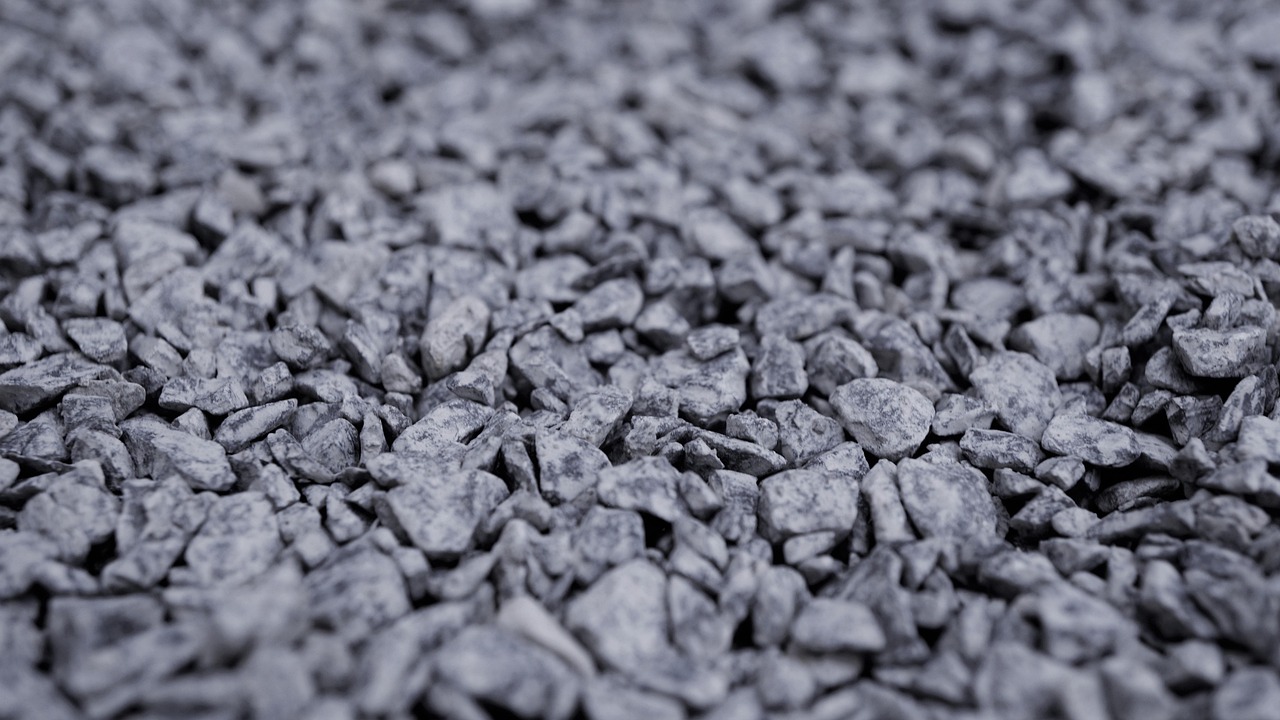
Selecting the proper aggregate grading for construction, drainage, driveway paving, and landscaping projects across Minnesota requires understanding how crushed stone is classified by size and specification. Across the state, from the glacial drift plains of central Minnesota to the heavy clays of the Red River Valley and the granite formations of the St. Cloud region, projects demand crushed aggregates that meet exact load-bearing and permeability requirements. Choosing the wrong stone size can lead to rutted driveways, clogged drainage trenches, or shifting paver surfaces. Navigating Minnesota crushed stone sizes from large coarse ballast down to fine chip gravel ensures your outdoor installation delivers exceptional stability and longevity. You can review available aggregate sizes on our Minnesota gravel delivery network to choose the exact gradation for your jobsite.
Aggregate sizes follow standardized ASTM and state DOT sieve specifications, where lower number designations generally indicate larger coarse stones and higher numbers indicate smaller fine chips.
To inspect state transportation aggregate standards, quarry testing protocols, and construction grading requirements across Minnesota, visit:
Minnesota Department of Transportation Standards (Wikipedia)
Understanding Standard Minnesota Crushed Stone Sizes: #4 to #11
In Minnesota construction and civil engineering, aggregates are crushed and screened through mechanical sieves to separate particle sizes into standardized commercial blends. Understanding Minnesota crushed stone sizes allows contractors, builders, and property owners to choose the perfect stone for structural foundations, water infiltration, and walking comfort.
Large coarse stone, such as #4 ballast, provides exceptional load distribution and stabilization across soft subsoils prone to winter frost heave. Mid-sized crushed stones, including #57 and #67 aggregate, feature open internal voids that allow high-volume water percolation in French drains and foundation backfill. Fine crushed chips, such as #89 and #11 stone, create smooth, non-slip surfaces for footpaths, paver joints, and equestrian arenas.
- Heavy subgrade stabilization stone → #4 crushed stone
- Clean high-flow drainage aggregate → #67 crushed stone
- Fine bedding and permeable joint chip stone → #11 crushed stone
- All-purpose structural base gravel → 3/4″ minus road base
Browse statewide crushed stone varieties available in Minnesota
Comprehensive Sieve and Size Comparison Guide
Reviewing particle dimensions and primary engineering uses simplifies selecting the correct crushed stone size for your project.
| Stone Designation | Typical Particle Size | Primary Construction and Drainage Applications |
|---|---|---|
| #4 Crushed Stone | 1 1/2″ to 2 1/2″ Angular | Heavy construction road entrances, mud tracking pads, soft subgrade stabilization. |
| #57 Crushed Stone | 1/2″ to 1″ Angular | Standard French drains, retaining wall backfill, driveway top dressing, concrete mix. |
| #67 Crushed Stone | 3/8″ to 3/4″ Angular | Residential yard drainage, pipe bedding, asphalt aggregate, permeable driveway topping. |
| #11 Crushed Stone | 1/8″ to 3/8″ Fine Chips | Permeable paver joint grit, smooth garden walkways, fine leveling beds, asphalt chip seal. |
Large Coarse Aggregates: #4 Stone for Subgrade Stabilization
When starting construction on soft, wet native ground or building heavy equipment access lanes, #4 crushed stone provides an unyielding stabilization platform. Its large, angular limestone or basalt rocks measuring up to two and a half inches bridge weak subsoils and resist sinking under heavy trucks. Contractors working on commercial developments in Brooklyn Center routinely install #4 stone tracking pads at jobsite entrances to prevent mud from carrying onto public roads.
In addition, #4 stone acts as heavy ballast in severe erosion gullies, culvert outlets, and shoreline riprap toe zones where smaller stones would wash away under high water velocity.
Mid-Sized Drainage Aggregates: #57 and #67 Stone
For residential drainage, retaining walls, and driveway surfacing, #57 and #67 crushed stones represent the most versatile aggregates in Minnesota. Both sizes are washed clean of mineral fines, leaving open internal void spaces of approximately forty percent. These open voids channel stormwater away rapidly while resisting silt clogging. Review our detailed #67 crushed stone material guide to compare hydraulic permeability and compaction data.
Homeowners building driveways on sandy Anoka Sand Plain soils in Ramsey frequently select #67 stone because its slightly smaller top size creates a smoother driving tread that is easier to walk on than coarser #57 rock. Across southeastern blufflands near Cottage Grove, clean #57 stone is the preferred backfill behind heavy stone retaining walls.
Fine Crushed Chips: #89 and #11 Stone for Pavers and Paths
Fine crushed chips, including #11 stone, range from one-eighth to three-eighths of an inch. Unlike rounded pea gravel, fine crushed stone has fractured, sharp edges that knit together tightly under foot traffic without rolling loose. They are the premier choice for filling permeable interlocking concrete paver joints, where fine grit allows rainwater to filter into the ground while locking paver units firmly in place.
In addition, #11 stone serves as an exceptional top dressing for garden walking paths, dog runs, and greenhouse flooring, delivering a clean, mud-free walking surface that sweeps clean easily.
Benefits of Bulk Aggregate Delivery in Minnesota
- Tandem and tri-axle dump trucks deliver bulk stone directly to your project location across Minnesota.
- Substantially lower price per ton compared to purchasing retail bagged stone from home improvement centers.
- Eliminates repeated vehicle hauling trips and protects personal vehicle suspensions from heavy damage.
- Experienced commercial drivers provide dependable delivery across residential and commercial sites.
Calculating Aggregate Quantities for Your Project
Accurate material calculation prevents project interruptions when ordering Minnesota crushed stone sizes. Multiply project length in feet by width in feet, multiply by stone depth in inches, and divide by 324 to determine cubic yards. Clean crushed limestone and granite weigh approximately 1.4 tons per cubic yard.
For example, if you are surfacing a driveway section measuring 50 feet by 12 feet (600 square feet) with a 3-inch layer of #67 crushed stone, multiply 600 by 3 to get 1,800. Divide 1,800 by 324 to calculate 5.56 cubic yards. Multiplying 5.56 cubic yards by 1.4 tons indicates that you will need approximately 7.8 tons of crushed stone.
Frequently Asked Questions
What is the difference between #57 and #67 crushed stone?
Both are clean washed crushed aggregates, but #67 stone has a slightly smaller top size (3/4-inch max) compared to #57 stone (1-inch max), making #67 slightly smoother for walking.
Can #4 stone be used as a final driveway surface?
No, #4 stone is too large and coarse for a comfortable driving or walking surface; it is used as a subgrade stabilization base beneath smaller wearing course gravel.
What does clean crushed stone mean?
Clean stone has been washed over vibrating screens to remove all fine mineral dust and sand, leaving open voids that allow water to drain freely.
Which stone size is best for permeable paver joints?
Fine #11 or #89 crushed chip stone is ideal for permeable paver joints because it locks pavers together while allowing water to infiltrate rapidly.
Final Thoughts
Matching the correct crushed stone size to your application ensures structural durability, superior drainage, and low maintenance. From heavy #4 stabilization ballast to versatile #57 drainage rock and fine #11 walkway chips, understanding aggregate gradations helps you build projects that endure Minnesota’s demanding climate. Find your Minnesota delivery area here to schedule bulk delivery of certified crushed stone directly to your jobsite.











