
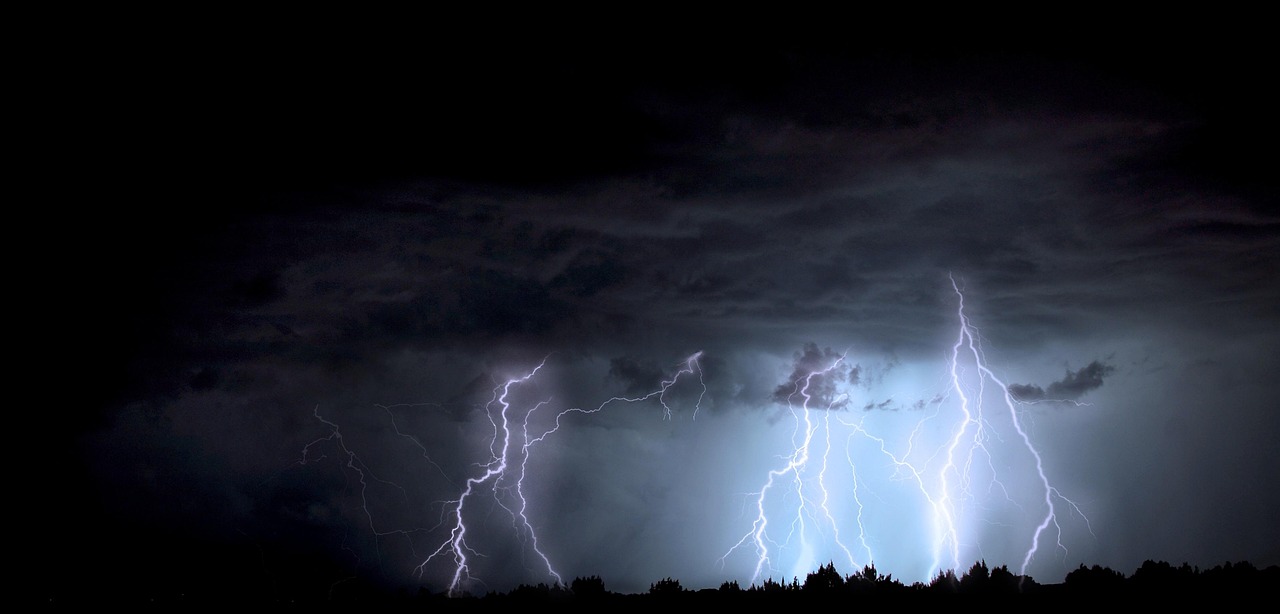
Managing violent desert flash floods, sheet wash erosion, and foundation water pooling across Pima County properties requires designing effective monsoon drainage Vail AZ using heavy rock swales, French drains, and stone check dams. In Vail, Arizona, residential building lots span the rolling desert foothills of the Rincon and Santa Rita mountain ranges. Thin desert topsoils overlie impermeable caliche clay and granite bedrock that absorb very little rainfall. During intense summer monsoon cloudbursts, hundreds of gallons of torrential runoff sheet across bare yard acreage within minutes, carving deep gullies, flooding low-lying patios, and eroding driveway foundations. Sourcing heavy, angular aggregate to execute engineered monsoon drainage Vail AZ allows property owners to capture high-velocity flood surges, dissipate hydraulic energy, and safely channel stormwater toward natural arroyos. Homeowners and excavation crews can schedule rapid bulk deliveries through our Vail aggregate delivery page to secure clean 1 1/2-inch rock, coarse #4 crushed stone, and decorative river rock direct to their jobsite.
Constructing rock-lined dry swales and clean aggregate French drains safely diffuses monsoon flash floods, prevents yard gullies, and protects home foundations.
To inspect Pima County Regional Flood Control District drainage criteria, residential stormwater management guidelines, and rock riprap engineering benchmarks, check:
French Drain Design and Residential Stormwater Systems (Wikipedia)
Why Desert Flash Floods Demand Monsoon Drainage Vail AZ
Monsoon downpours in Southern Arizona drop heavy rainfall in minutes. Moving water on unarmored ground reaches velocities of ten feet per second, stripping away topsoil and destabilizing footings. Without engineered drainage, floodwaters back up against foundation walls and pool in low backyard depressions. Sourcing professional monsoon drainage Vail AZ infrastructure redirects stormwater through high-capacity aggregate channels before it damages residential property.
Heavy 1 1/2-inch clean rock provides large forty percent void space for subterranean French drains, foundation interceptor trenches, and downspout discharge sumps. Coarse #4 crushed stone measures two to three inches in diameter, delivering the mass needed to armor steep gully slopes and build rock check dams that slow water velocity across open acreage. Smooth river rock creates naturalized dry creek beds that enhance desert landscaping while conveying sheet runoff harmlessly around patios. In nearby eastern Pima County communities like Tanque Verde, property owners rely on heavy stone swales to protect foothill properties from flash flood erosion.
- Heavy deep drainage trench and dry well rock → 1 1/2″ clean rock
- Coarse ballast stone for check dams and steep slope armoring → #4 crushed stone
- Naturally rounded decorative stone for surface dry creek swales → River rock
- Compacting base gravel for subgrade stabilization → 3/4″ minus base gravel
Recommended Aggregate Profiles for Desert Drainage Systems
Consult this technical sizing guide to choose the ideal aggregate grade and dimensions for your property’s specific monsoon water control requirements.
| Drainage Structure | Recommended Aggregate Grade | Hydraulic Function and Minimum Thickness |
|---|---|---|
| Surface Dry Creek Swales | River Rock (1 1/2″ to 3″ Rounded) | 6″ to 8″ depth; provides an attractive, naturalized channel that carries sheet runoff safely. |
| Gully Check Dams | #4 Crushed Stone (1 1/2″ to 2 1/2″) | 12″ to 18″ rock dams; slows rushing channel velocity and traps eroded desert sediment. |
| Foundation French Drains | 1 1/2″ Clean Crushed Rock | 12″ to 18″ trench depth; maintains 40% void space around perforated drainpipes. |
| Culvert and Downspout Splash Pads | #4 Crushed Stone over 1 1/2″ Rock | 10″ to 12″ depth; absorbs concentrated discharge energy and stops soil gouging. |
Digging and Lining Dry Swales and French Drains
Begin drainage construction by identifying natural storm flow paths across your property. Excavate a broad swale four to six feet wide and twelve to eighteen inches deep, maintaining a continuous slope toward roadside borrow ditches or natural desert washes.
Line the excavation with heavy non-woven geotextile filter fabric, pinning edges securely with steel staples. Spread a uniform layer of clean 1 1/2-inch rock along the trench center, and armor the side banks with naturally rounded river rock or coarse #4 crushed stone. For subsurface water relief near foundation walls, excavate a trench twelve inches wide and eighteen inches deep, wrap with fabric, install a perforated four-inch PVC pipe, and backfill with washed 1 1/2-inch rock. When scheduling through our Vail drainage aggregate portal, bulk drop placement keeps materials convenient to your excavation site. Review our detailed 1 1/2-inch clean rock material guide for specialized dry well sizing and high-volume trench excavation tips.
Constructing Rock Check Dams Across Gully Cuts
In eroding yard gullies, build low check dams spaced twenty to thirty feet apart using coarse #4 crushed stone. Check dams slow water velocity, trap sediment, and gradually flatten the gully slope.
Benefits of Bulk Aggregate Delivery in Vail, AZ
- Delivers full multi-ton truckloads of clean drainage stone directly beside your project trenches.
- Far cheaper than hauling dozens of 50-pound bags that lack proper washed stone gradation.
- Quarry-washed stone comes completely free of dirt fines that clog geotextile filter fabric.
- Experienced drivers navigate steep foothill roads and rural desert lanes safely.
Calculating Drainage Rock Tonnage Accurately
Accurate material calculation prevents project interruptions during trench backfilling. For surface swales, multiply swale length in feet by width in feet by planned stone depth in feet (convert inches to feet by dividing by 12), then divide by 27 to find cubic yards. Clean drainage stone weighs approximately 1.4 tons per cubic yard.
For example, to construct a 60-foot by 5-foot dry creek swale (300 square feet) with a 6-inch layer of river rock (0.5 feet): Multiply 300 by 0.5 to get 150 cubic feet. Divide 150 by 27 to find 5.56 cubic yards. Multiply 5.56 cubic yards by 1.4 tons per cubic yard to determine 7.78 tons. Ordering eight tons covers the swale bed and terminal splash dissipation pads.
Frequently Asked Questions
Why is non-woven geotextile fabric necessary under drainage swales?
Non-woven fabric allows water to soak into native subsoil while stopping rushing stormwater from washing fine desert silt through rock void spaces.
Can I use crushed concrete for French drains in Vail?
No, avoid crushed concrete in drainage trenches; concrete dust fines can leach lime and clog geotextile fabric; always use washed 1 1/2-inch stone.
How deep should a dry creek bed be in Southern Arizona?
A residential dry creek swale should be twelve to eighteen inches deep at the center and four to six feet wide to handle sudden monsoon cloudburst surges.
How far away from my home should drainage swales discharge?
Discharge drainage swales at least ten to twenty feet away from home foundation walls toward street culverts, drainage easements, or natural arroyos.
Final Thoughts
Controlling destructive monsoon flood surges requires investing in high-capacity, clean-stone drainage infrastructure designed for desert storm events. By sculpting natural swales, installing non-woven geotextile fabric, and armoring waterways with heavy 1 1/2-inch rock and coarse #4 crushed stone, your monsoon drainage Vail AZ system protects your home and acreage through the fiercest storms. Find your Vail delivery area here to schedule bulk delivery of clean drainage stone, #4 ballast, and river rock directly to your property.











