




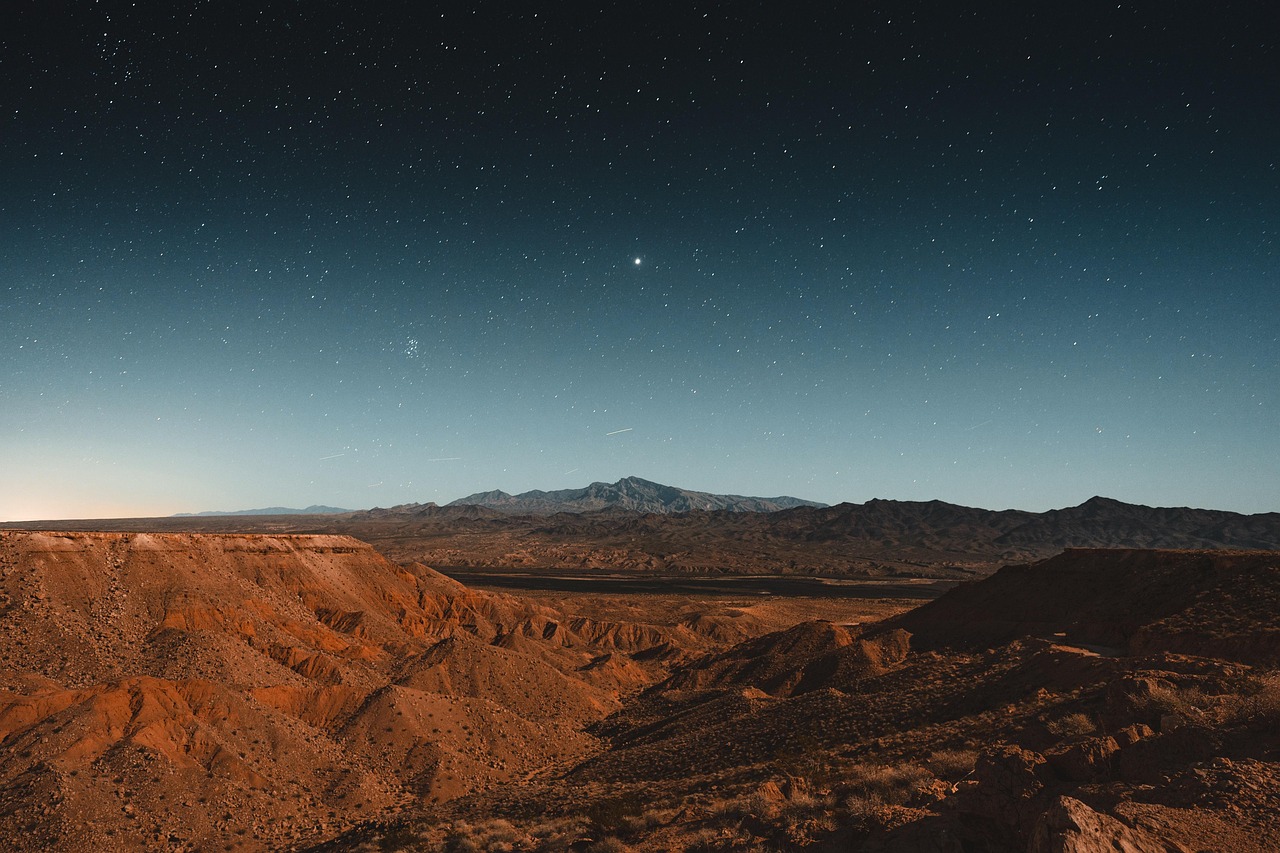
The Project Across Nevada
From the arid Mojave Desert valleys of Southern Nevada to the high-desert plains of the Great Basin, homeowners throughout Nevada are embracing rock landscaping to conserve precious water resources. Replacing high-maintenance turfgrass with decorative aggregate dramatically lowers utility bills and cuts weekend lawn chores. However, living in a desert climate where summer temperatures frequently soar beyond one hundred degrees creates an important thermal consideration. Dark volcanic rocks and basalt gravel absorb intense solar radiation, radiating heat back into outdoor living zones and increasing home cooling costs. Sourcing certified materials through desert landscape rock delivery across Nevada helps property owners select light-reflective aggregates that keep yards significantly cooler.
Creating an inviting outdoor space requires balancing aesthetics, thermal performance, and wind resistance. Selecting curated Nevada desert landscape rock varieties like light buff river rock, smooth pea gravel, and pale crushed limestone reflects solar energy, reduces the urban heat island effect, and protects plant roots from extreme thermal stress.
How Nevada’s Soil and Climate Shape This Project
Nevada’s desert environment is defined by intense solar radiation, single-digit humidity, and dramatic diurnal temperature shifts. Desert soils across Clark, Washoe, and Lyon Counties consist of coarse alluvial sands, decomposed granite, and dense caliche hardpan that retain little moisture. When exposed to direct desert sun, dark gravel surfaces can exceed 150 degrees Fahrenheit, scorching surrounding desert plants and turning patios into thermal heat sinks.
Environmental researchers at the University of Nevada Reno Extension recommend using light-colored, high-albedo aggregates that reflect solar radiation rather than absorbing it. Pairing light-colored rock groundcovers with non-woven geotextile fabric insulates underlying subsoils, shades root systems, and minimizes moisture evaporation around drip-irrigated native desert plantings.
Best Aggregates for Cooler Nevada Desert Landscaping
Choosing the ideal rock color and gradation enhances beauty while keeping outdoor living zones comfortable:
- River rock → Naturally rounded river gravel displaying light tan, beige, buff, and desert gold tones. Its smooth texture and light coloration reflect heat effectively, making it ideal for large groundcover beds and dry riverbeds.
- Pea gravel → Smooth, rounded 3/8-inch river pebbles in soft earth tones. It creates a comfortable, low-heat groundcover for casual courtyard seating, fire pit areas, and outdoor dining patios.
- #11 crushed stone → Small 1/4-inch to 3/8-inch angular limestone chips. Its pale gray and white facets reflect intense midday sunlight, making it perfect for modern borders and perimeter ribbons.
Step-by-Step Heat-Smart Rock Installation
Proper subgrade grading, non-woven fabric installation, and aggregate spreading ensure lasting curb appeal:
- Plan shaded living zones: Arrange outdoor seating areas and plant placements on the eastern or northern sides of buildings to take advantage of afternoon shadows. Homeowners in Summerlin South follow this layout principle for desert yards.
- Excavate existing soil: Remove topsoil and debris three to four inches deep, shaping gentle swales toward drainage zones. Rural builders in Minden follow this depth guideline for weed suppression.
- Install rigid border edging: Anchor commercial steel or aluminum edging along borders to keep decorative rock contained neatly. Alpine property owners in Incline Village use rigid edging to preserve clean bed lines.
- Lay professional weed barrier: Install commercial non-woven geotextile fabric across the entire footprint, securing seams with steel landscape pins every three feet.
- Plant desert shade trees and shrubs: Cut X-slits in the fabric to plant drought-tolerant mesquite, desert willow, and agave, connecting drip irrigation lines beneath the fabric.
- Distribute light-colored stone: Spread river rock or pea gravel two to three inches deep across the fabric, keeping stone one-half inch below edging tops.
How Much Decorative Rock Do You Need?
Accurate material calculations prevent unnecessary delays and project shortfalls. Decorative landscape rock typically weighs 1.3 to 1.4 tons per cubic yard. At a three-inch depth, one ton of decorative stone covers approximately 80 to 90 square feet. Converting a 750-square-foot lawn area to light river rock requires roughly 8.5 to 9 tons of stone. Consult our guide to river rock materials to calculate exact quantities for your project layout.
| Material | Project Depth | Estimated Coverage per Ton / Yard |
|---|---|---|
| River rock (1 to 3 inches) | 3 inches | 75 to 90 sq ft per ton |
| Pea gravel | 2 to 3 inches | 80 to 100 sq ft per ton |
| #11 crushed stone | 2 to 3 inches | 90 to 110 sq ft per ton |
| Desert accent boulders | Feature pieces | Individual piece placement |
Common Mistakes to Avoid Across Nevada
The most common mistake is choosing dark black volcanic cinders or dark basalt gravel in sunny outdoor living areas. Dark rocks absorb solar energy, radiating intense heat long after sunset and driving up air conditioning costs. Sourcing proper Nevada desert landscape rock in light, reflective earth tones creates comfortable outdoor spaces that stay significantly cooler. Another frequent mistake is omitting breathable geotextile fabric, allowing weeds to sprout after winter rains.
Do not install lightweight pea gravel on steep unchanneled hillsides where torrential monsoon downpours wash loose stones into the street. Use heavier two- to four-inch river rock on slopes to resist heavy runoff.
Local Sourcing, Permitting, and Delivery Across Nevada
Residential rock landscaping conversions do not require municipal building permits in Nevada. However, projects must adhere to local homeowners association (HOA) architectural standards and regional water authority rebate requirements (such as SNWA or TMWA).
When booking aggregate delivery, partner with reliable Nevada aggregate and stone delivery providers. Heavy tri-axle dump trucks require firm, accessible drop zones on concrete driveways. Mark drop sites clearly with safety cones or tarps prior to driver arrival.
Frequently Asked Questions
Which rock colors stay the coolest in desert heat?
Light tan, beige, pale gold, and light gray limestone or river rock reflect the most solar radiation, staying twenty to thirty degrees cooler than dark red or black volcanic rock.
Can light-colored rock cause glare on sunny days?
Naturally textured stones like rounded river rock and fractured limestone diffuse sunlight naturally, minimizing harsh glare while reflecting heat effectively.
How do I clean fallen leaves and dust out of rock beds?
Use a leaf blower on a low setting or rinse rock beds with a garden hose once or twice a year to wash away accumulated dust and restore natural stone luster.
Will decorative rock groundcover kill weeds permanently?
When installed over heavy-duty commercial non-woven geotextile fabric, decorative rock blocks sunlight and prevents ninety-five percent of weed growth from taking root.
Related Resources
- Polished river rock for heat-reflective desert groundcovers
- Rounded pea gravel for comfortable patio spaces
- #11 crushed stone for crisp modern borders
- Comprehensive desert landscaping rock guide
Final Thoughts
Embracing water-smart desert landscaping enhances curb appeal, eliminates irrigation bills, and respects Nevada’s arid environment. Selecting thermal-conscious Nevada desert landscape rock options like pale river rock, comfortable pea gravel, and crisp #11 crushed stone keeps outdoor patios cooler throughout scorching summer heat waves. Explore complete desert landscape rock delivery across Nevada to find regional quarries and premium bulk materials. Contact Simple Gravel today to calculate your material quantities and schedule prompt delivery.
SOURCES_USED:
University of Nevada Reno Extension (Urban Heat Island Mitigation & Xeriscape Rock Selection), Desert Research Institute (DRI), Southern Nevada Water Authority.











