




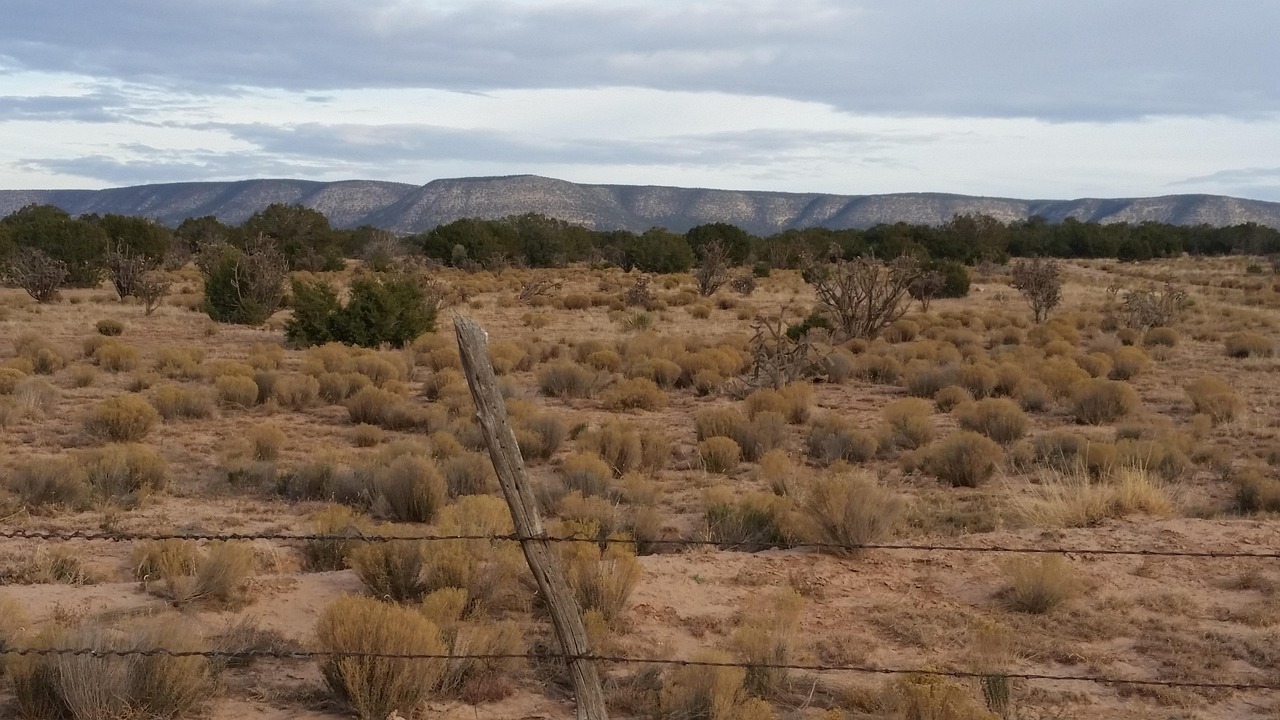
The Project Across New Mexico
Across the Land of Enchantment, from Santa Fe mesas to Albuquerque river valleys and Las Cruces desert plains, water is our most precious resource. With rainfall under fourteen inches across populated basins, maintaining turfgrass lawns consumes massive water volumes. As rates rise and droughts stress aquifers, homeowners are embracing xeriscaping, a water-efficient landscaping philosophy designed to create vibrant, drought-hardy outdoor spaces. Far from barren rock gardens, authentic xeriscapes harmonize native desert plants, flowering perennials, stone groundcovers, and organic mulches. Sourcing certified materials through xeriscape materials across New Mexico provides the stone and soil products required to build resilient desert landscapes.
Implementing a comprehensive New Mexico xeriscaping plan with river rock, bark mulch, and garden soil lowers water use by up to seventy percent while creating a low-maintenance outdoor sanctuary.
How New Mexico’s Soil and Climate Shape This Project
New Mexico’s high-desert environment presents extreme climatic contrasts. Blistering summer temperatures frequently exceed ninety degrees, followed by winter cold snaps with deep sub-freezing nights. Intense high-altitude solar radiation quickly bakes exposed ground, while dry winds accelerate surface evaporation.
Native soils across New Mexico are typically alkaline, low in organic matter, and heavily calcareous, often containing dense subsurface caliche layers that restrict water movement. Horticultural specialists at the New Mexico State University Cooperative Extension Service emphasize that successful xeriscaping requires zone-specific mulching. Using inorganic stone mulches like river rock around heat-tolerant desert succulents stores passive heat and prevents wind erosion, while organic shredded bark mulch in shaded microclimates retains critical root moisture for blooming desert perennials.
Best Aggregate and Soil Options for High-Desert Xeriscapes
Building a diverse, water-wise landscape requires pairing stone aggregates with nutrient-rich growing media:
- River rock → Naturally rounded Rio Grande stones ranging from one to three inches. It provides heavy, permanent mineral mulch that suppresses weeds, absorbs storm runoff, and will not decompose or blow away in spring winds.
- Bark mulch → Clean, shredded natural hardwood bark. It is ideal for shaded planting beds and native tree drip rings, where it conserves soil moisture and moderates root zone temperatures.
- Garden soil → A balanced blend of screened loam, aged organic compost, and coarse sand. It provides the fertile biological structure needed to establish native shrubs, fruit trees, and perennial flowers.
Step-by-Step High-Desert Xeriscape Installation
Hydrozone planning, subgrade excavation, and layered material placement ensure long-term landscape vigor:
- Design functional hydrozones: Group plants by water needs, placing agaves in open sun and herbs near covered patios. Owners in Corrales use hydrozoning to conserve village water.
- Grade terrain for rain harvesting: Contour subgrades to create shallow swales that channel roof runoff toward planting roots.
- Amend planting pockets: Dig planting holes twice as wide as root balls, blending native earth with fifty percent rich garden soil. Builders in Los Alamos use garden soil on volcanic ground.
- Install non-woven fabric: Lay drainage fabric under rock zones to block desert weeds while allowing rain to pass into subsoils.
- Spread decorative river rock: Distribute river rock two to three inches deep across open areas and swales. Owners in Los Lunas rely on river rock to stop dust.
- Apply organic bark mulch: Spread three inches of shredded bark mulch in garden beds, keeping mulch away from plant trunks.
How Much Xeriscape Stone and Mulch Do You Need?
Accurate material estimation ensures smooth project execution. River rock weighs approximately 1.35 to 1.4 tons per cubic yard, while shredded bark mulch is measured by the cubic yard. Covering an 800-square-foot xeriscape area with river rock at a three-inch depth requires roughly 7.4 cubic yards, or about 10.4 tons of stone. Adding bark mulch across a 200-square-foot garden zone at three inches requires roughly 1.9 cubic yards. Explore our guide to river rock for customized high-desert landscape estimators.
| Material | Project Depth | Estimated Coverage per Ton / Yard |
|---|---|---|
| River rock (1 to 3 inches) | 3 inches | 50 to 70 sq ft per ton |
| Shredded bark mulch | 3 inches | 100 to 110 sq ft per cu yd |
| Garden soil blend | 6 to 12 inches | 25 to 50 sq ft per cu yd |
| Crushed gravel mulch | 2 to 3 inches | 85 to 110 sq ft per ton |
Common Mistakes to Avoid Across New Mexico
The most frequent error in high-desert landscapes is creating a sterile “rock desert” without integrating shade trees or flowering perennials. Large expanses of bare rock without vegetation create an extreme urban heat island effect, raising summer cooling costs for the home. Designing a balanced New Mexico xeriscaping project with lush native plants, river rock swales, and organic bark mulch keeps outdoor spaces cool and inviting. Another common error is using impermeable black plastic beneath stone; plastic suffocates native root systems and prevents rainwater from recharging the soil.
Do not pile organic bark mulch directly against the bases of desert cactuses or agaves. Excess organic moisture against succulent stems causes crown rot and fungal disease.
Local Sourcing, Permitting, and Delivery Across New Mexico
Residential xeriscaping projects generally do not require building permits in New Mexico municipalities. Many water authorities, including the Albuquerque Bernalillo County Water Utility Authority (ABCWUA), offer substantial rebate incentives for removing thirsty grass and replacing it with water-smart xeriscaping.
When ordering stone and soil in bulk, partner with experienced landscape aggregate delivery services across New Mexico. Tri-axle dump trucks require firm, level unloading locations. Check overhead clearances from utility lines and mark drop locations clearly on paved driveways before trucks arrive.
Frequently Asked Questions
How much water does a New Mexico xeriscape save compared to grass?
A properly designed xeriscape featuring native plants and rock mulch reduces residential outdoor water consumption by fifty to seventy-five percent compared to Kentucky bluegrass lawns.
Is river rock better than bark mulch for high-desert yards?
Both have essential roles. River rock provides permanent, windproof mulch for sunny areas and drainage swales, while bark mulch conserves soil moisture in shaded planting beds.
Can native New Mexico desert plants survive without any irrigation?
Native plants need supplemental drip irrigation during their first two growing seasons to establish deep root systems. Once established, many species survive on natural rainfall alone.
How do I control weeds in a rock-mulched xeriscape?
Installing commercial-grade non-woven geotextile fabric beneath the stone stops weed germination from below. Hand-pulling occasional windblown seedlings keeps rock beds clean.
Related Resources
- Natural Rio Grande river rock for permanent water-wise groundcovers
- Shredded hardwood bark mulch for moisture-conserving garden beds
- Enriched garden soil blends for planting native southwestern flora
- Complete guide to river rock in high-desert xeriscape design
Final Thoughts
Embracing water-efficient xeriscaping transforms challenging desert yard maintenance into a sustainable, beautiful outdoor environment that celebrates the natural heritage of the American Southwest. Implementing an engineered New Mexico xeriscaping design with durable Rio Grande river rock, protective bark mulch, and fertile garden soil creates a resilient, low-maintenance landscape that conserves precious water while providing year-round color and habitat for native pollinators. Explore complete New Mexico xeriscaping aggregate supply options to source certified regional stones and premium soils statewide. Contact Simple Gravel today to calculate your project materials and arrange prompt delivery directly to your property.











