
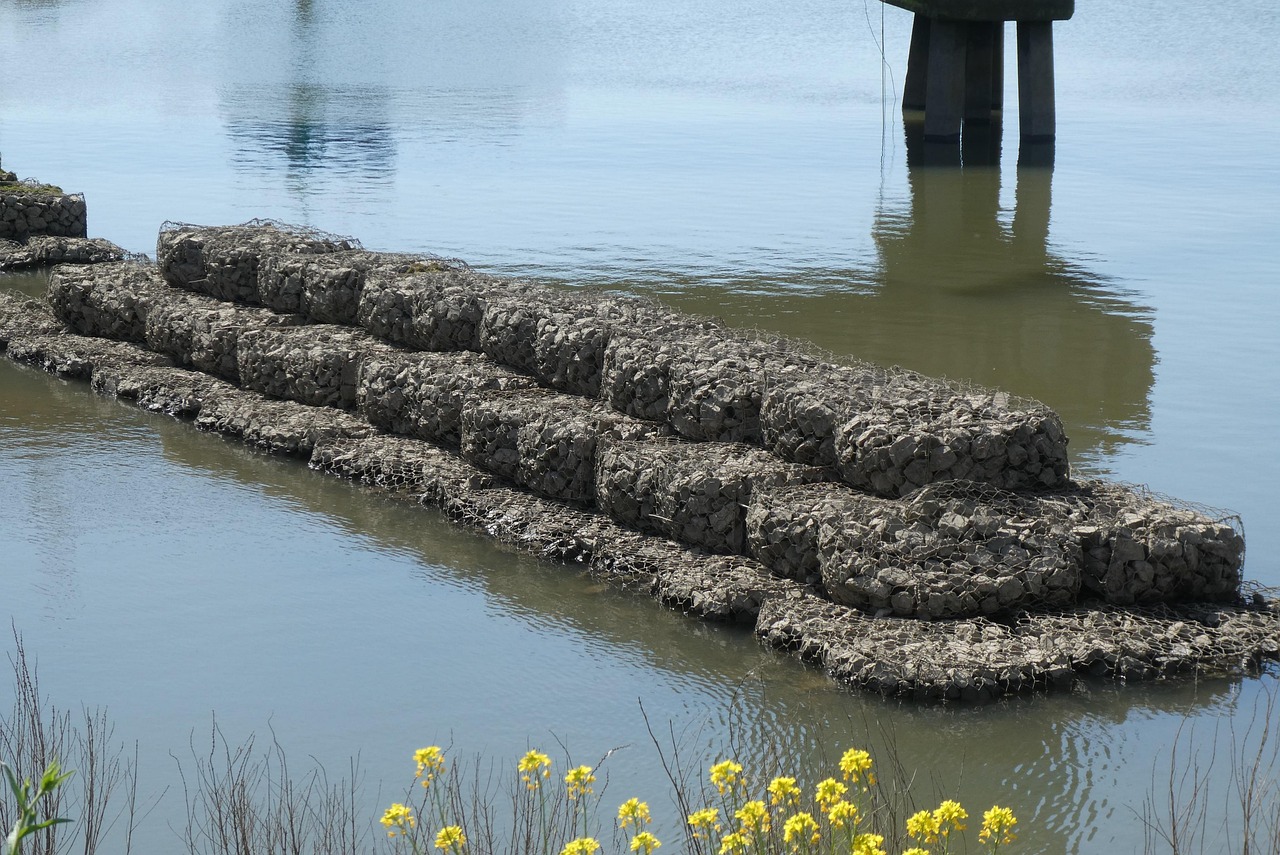
Stabilizing steep hillsides, roadside drainage ditches, culvert outfalls, and eroding stream banks across the Buckeye State requires installing durable Ohio erosion control rock to anchor vulnerable soil against heavy storm runoff. Across Ohio, from the deeply dissected hills of the Appalachian plateau to the rolling agricultural waterways of central Ohio and the lake bluffs along Lake Erie, severe rainfall exerts immense shear stress on residential property grades. Heavy spring thunderstorms and winter snowmelt saturate native silt and clay soils, carving deep gullies, destabilizing retaining banks, and washing valuable topsoil into local waterways. Sourcing heavy, angular Ohio erosion control rock provides the structural weight and hydraulic energy dissipation needed to lock soil in place and protect property investments. Homeowners, agricultural land managers, and civil contractors can schedule rapid bulk deliveries through our Ohio aggregate delivery page to secure coarse 1 1/2-inch rock, heavy #4 crushed stone, and decorative river rock direct to their jobsite.
Deploying heavy angular stone dissipation pads and rock-lined swales halts gully erosion, armors vulnerable slopes, and safely channels heavy storm runoff.
To inspect Ohio Department of Natural Resources (ODNR) rainwater and land development manuals, slope stabilization standards, and ODOT rock riprap specifications, check:
Riprap Rock Armoring and Hydraulic Erosion Control (Wikipedia)
Why Runoff Velocity Demands Heavy Ohio Erosion Control Rock
Erosion occurs when the tractive force of moving water exceeds the shear strength of native soil particles. Bare silt and clay soils wash away under water velocities as low as two feet per second. When storm runoff concentrates into channels, ditches, or culvert discharges, velocities frequently reach eight to twelve feet per second, ripping away soil and creating massive gullies within hours. Installing heavy Ohio erosion control rock introduces rough, angular surface resistance that dissipates hydraulic energy and slows water velocity harmlessly.
Heavy 1 1/2-inch clean crushed rock provides high structural void space for subterranean drainage trenches, French drains, and culvert splash pads. Coarse #4 crushed stone measures two to three inches in diameter, delivering the mass needed to build sturdy check dams and stabilize steep highway embankments. Smooth, naturally rounded river rock creates attractive dry creek beds that manage residential storm runoff while enhancing garden aesthetics. In northwest river towns like Napoleon and rolling eastern suburbs near Pepper Pike, armoring waterways with heavy aggregate permanently stops severe slope erosion.
- Heavy angular drainage and culvert splash rock → 1 1/2″ clean rock
- Coarse ballast stone for check dams and steep slope stabilization → #4 crushed stone
- Naturally rounded decorative river stone for runoff swales → River rock
- Fine bedding stone for filter layers → #57 stone
Recommended Stone Sizing for Ohio Erosion Control
Consult this hydraulic sizing guide to choose the right stone diameter and mass for your property’s specific slope and water flow conditions.
| Erosion Control Application | Recommended Aggregate Grade | Hydraulic Function and Minimum Thickness |
|---|---|---|
| Culvert Outfalls and Downspout Splash Pads | 1 1/2″ Clean Crushed Rock | 8″ to 12″ depth; absorbs concentrated impact energy and diffuses discharge velocity. |
| Gully Check Dams and Steep Bank Armoring | #4 Crushed Stone (1 1/2″ to 2 1/2″) | 12″ to 18″ depth; locks on steep inclines and slows channel runoff velocity. |
| Residential Dry Creek Swales | River Rock (2″ to 4″ Rounded) | 6″ to 8″ depth; provides attractive, naturalized surface stormwater conveyance. |
| Subsurface Interceptor Trench Filter | #57 Stone (3/4″ Clean Washed) | 6″ bedding envelope around pipes; drains seepage before surface soil slips. |
Installing Rock Riprap and Geotextile Underlayment
The most critical element of a successful erosion control installation is placing heavy non-woven geotextile filter fabric beneath the rock armor. Never place heavy stone directly on bare soil. Turbulent stormwater moving through rock voids will scour unprotected dirt from underneath, causing the stone to sink and collapse.
Excavate the eroding channel or slope to the planned depth plus stone thickness. Smooth the soil bed and lay heavy non-woven geotextile fabric, keying the top edge into an anchor trench twelve inches deep. Anchor the fabric with steel sod staples, then carefully place 1 1/2-inch rock or #4 crushed stone over the fabric, beginning at the toe of the slope and working upward. In Mahoning Valley industrial communities like Campbell, armoring steep hillsides with rock over fabric permanently stops chronic soil sliding. Review our comprehensive 1 1/2-inch clean rock material guide for specialized check dam designs and culvert dissipation sizing.
Building Gully Check Dams and Dry Creek Swales
In deep eroding yard gullies, build low rock check dams every twenty to thirty feet along the trench length using #4 crushed stone. Check dams slow water flow, trap sediment behind the stone wall, and flatten the effective channel slope. Connect downspouts to meandering dry creek swales lined with smooth river rock to channel roof discharge away from home foundations.
Benefits of Bulk Aggregate Delivery Across Ohio
- Delivers full multi-ton truckloads of heavy erosion stone directly beside your project slope.
- Far cheaper than hauling dozens of 50-pound bags that lack proper heavy stone mass.
- Quarry-fractured angular limestone provides maximum particle interlock that resists sliding.
- Experienced drivers navigate steep rural roads and residential driveways safely.
Calculating Erosion Control Stone Tonnage Accurately
Accurate material calculation ensures you order sufficient rock to armor vulnerable slopes completely. Measure your channel or slope length in feet by width in feet to determine square footage. Multiply square footage by planned stone depth in inches, then divide by 324 to establish cubic yards. Coarse crushed limestone and river rock weigh approximately 1.4 tons per cubic yard.
For example, to armor a 60-foot by 6-foot drainage swale (360 square feet) with an 8-inch layer of 1 1/2-inch clean rock: Multiply 360 by 8 to reach 2,880. Divide 2,880 by 324 to determine 8.89 cubic yards. Multiply 8.89 cubic yards by 1.4 tons per cubic yard to find 12.45 tons. Ordering thirteen tons guarantees complete rock coverage and terminal check dam anchoring.
Frequently Asked Questions
Why is angular crushed stone better than smooth round rock for steep slopes?
Angular stone fragments have jagged edges that interlock tightly, preventing stones from rolling down steep banks during high-velocity runoff events.
Do I need geotextile fabric under erosion control rock?
Yes, heavy non-woven geotextile fabric is essential to prevent water from washing native soil through the stone voids and undermining the rock armor.
How large should rock be at a culvert pipe discharge?
Culvert outfalls require a twelve-inch-deep dissipation pad of 1 1/2-inch clean rock or #4 crushed stone extending six to eight feet from the pipe mouth.
Can I plant grass or shrubs in rock erosion swales?
Yes, incorporating native water-tolerant wetland grasses and deep-rooted shrubs into rock margins adds biological anchoring strength and natural beauty.
Final Thoughts
Protecting vulnerable slopes, culvert outfalls, and drainage waterways across Ohio requires installing heavy, angular aggregate systems that dissipate runoff velocity. By anchoring soils with non-woven geotextile fabric and layering high-density Ohio erosion control rock, your property remains safe from gully erosion and bank collapse through the most severe storms. Find your Ohio delivery area here to schedule bulk delivery of clean drainage rock, #4 ballast stone, and river gravel directly to your project site.











