




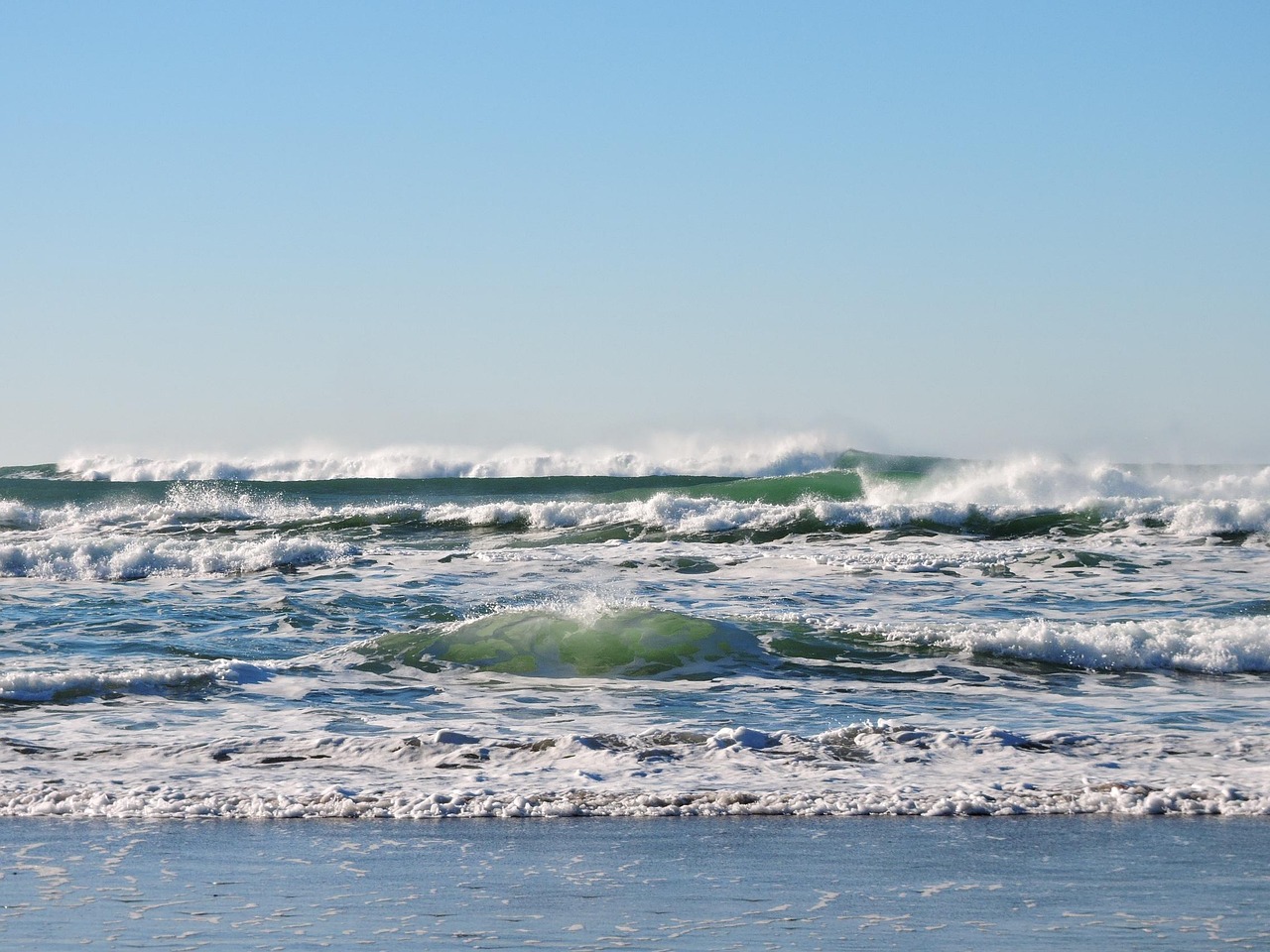
Preparing residential landscapes for intense Pacific Northwest winter storm systems across Oregon requires implementing high-capacity aggregate drainage structures. From the heavy clay soils of the Willamette Valley in Aloha and Happy Valley to the river terrace ground of Tualatin, Oregon properties face powerful atmospheric river storms from October through April. Persistent rainfall saturates native subsoils, generating immense surface runoff that floods basements, erodes sloped planting beds, and pools into standing water across backyards. Infiltrating storm runoff on-site prevents severe foundation settlement and municipal stormwater overload. Installing functional Oregon storm water yard drainage infrastructure, such as aggregate dry wells, swales, and dry creek beds, routes torrential rainwater safely away from home foundations. Property owners can explore bulk drainage aggregates on our Oregon gravel delivery page to choose clean round rock, #57 stone, and heavy base rock for yard drainage projects.
An engineered aggregate drainage system absorbs heavy roof runoff, eliminates standing surface water, and prevents severe foundation settling during Pacific Northwest winter downpours.
To inspect statewide physiographic regions, annual rainfall averages, and Oregon stormwater management guidelines, check:
Geography and Hydrologic Regions of Oregon (Wikipedia)
Why Atmospheric Rivers Demand Oregon Storm Water Yard Drainage
Atmospheric river storm systems deliver multiple inches of rain over short periods, easily overwhelming poorly drained Oregon yards. When native clay or silty soils become fully saturated, excess rainwater flows over ground surfaces, eroding mulch, drowning lawn turf, and pooling against exterior walls. Developing comprehensive Oregon storm water yard drainage solutions captures this runoff before it compromises structural foundations.
Dry wells filled with clean 1 1/2-inch rock create deep underground retention reservoirs that allow roof downspout water to percolate slowly into the subgrade. Vegetated swales lined with #57 clean stone slow runoff velocity, while decorative dry creek beds built with smooth river rock channel surface water naturally across slopes without causing soil scour.
- High-capacity dry well reservoir aggregate → 1 1/2″ clean rock
- Natural stream channel and erosion rock → River rock
- Clean perforated trench drainage stone → #57 stone
- Heavy velocity dissipation stone → Riprap rock
Recommended Aggregate Sizes for Oregon Storm Drainage Systems
Pairing high-void drainage rock with natural river cobbles creates durable, high-capacity stormwater conveyance features.
| Drainage Feature | Recommended Aggregate | Hydraulic Purpose |
|---|---|---|
| Dry Well Infiltration Pit | 1 1/2″ Clean Rock | Contains forty percent open void space to temporarily store large volumes of roof runoff. |
| French Drain Collector Trench | #57 Stone (3/4″ Clean Washed) | High-flow angular aggregate that conveys subsurface water rapidly into collection pipes. |
| Dry Creek Bed Surface Channel | River Rock (2″ to 4″ Round) | Smooth, attractive stones that dissipate surface runoff energy without scouring soil. |
| Swale Outfall Velocity Pad | Riprap Rock (4″ to 8″) | Heavy fractured stone placed at pipe exits to prevent severe gully erosion. |
Constructing an Aggregate Dry Well for Roof Runoff
Excavate a circular or square dry well pit at least ten feet away from home foundations, digging four to six feet deep and three to four feet wide. Line the bottom and vertical sidewalls with heavy-duty non-woven geotextile fabric. The fabric prevents surrounding native clay from migrating into the stone voids, preserving water storage capacity permanently.
Route your solid PVC downspout pipe directly into the upper portion of the pit. Fill the excavation with washed 1 1/2-inch clean rock, surrounding the pipe discharge. Review our detailed 1 1/2-inch clean rock material guide for void ratios and infiltration metrics. Fold the geotextile fabric over the top of the aggregate, and cap with six inches of topsoil or decorative river rock.
Building a Decorative Dry Creek Bed for Surface Drainage
Dry creek beds offer an attractive way to guide hillside sheet runoff away from patios and gardens. Excavate a meandering swale twelve to eighteen inches deep and two to four feet wide, sculpting gentle sloping banks. Tamp the subsoil and line the trench with non-woven geotextile fabric to prevent weed growth and stone sinking.
Place smooth river rock along the channel invert, blending smaller one- to two-inch stones in the center with larger three- to six-inch cobbles along the banks. This varied rock sizing mimics a natural mountain streambed, slowing runoff speed and allowing moisture to soak deep into the surrounding soil profile.
Benefits of Bulk Aggregate Delivery Across Oregon
- Dump truck delivery drops multiple tons of clean drainage stone right at your excavation site.
- Dramatically more cost-effective per ton than buying bagged rock from local home centers.
- Washed quarry aggregates are free from dirt, fine dust, and clay that could clog drainage fabric.
- Professional drivers navigate residential properties and rural acreage safely.
Calculating Aggregate Quantities for Drainage Projects
Accurate material calculation prevents project interruptions when ordering Oregon storm water yard drainage supplies. Multiply the length of your drainage trench or dry creek bed in feet by average width in feet, multiply by depth in inches, and divide by 324 to determine total cubic yards. Clean 1 1/2-inch rock and washed river rock weigh approximately 1.4 tons per cubic yard.
For example, if you are excavating a dry creek bed that is 45 feet long, 3 feet wide (135 square feet), and 8 inches deep, multiply 135 by 8 to get 1,080. Divide 1,080 by 324 to calculate 3.33 cubic yards. Multiplying 3.33 cubic yards by 1.4 tons indicates that you will need approximately 4.7 tons of bulk drainage rock.
Frequently Asked Questions
How far from a house foundation should a dry well be built?
A dry well must be installed at least ten feet away from residential foundations to prevent collected groundwater from putting pressure on basement walls.
Why is geotextile fabric essential for yard drainage pits?
Geotextile fabric allows storm runoff to exit while preventing surrounding clay and silt from washing into rock voids and clogging the system.
What stone size is best for a decorative dry creek bed?
A blend of two- to six-inch smooth river rock is ideal because it provides natural visual contrast while resisting movement during heavy downpours.
Can I connect multiple downspouts into a single dry well?
Yes, provided the dry well volume is sized adequately to hold the combined roof surface runoff generated during a two-inch storm event.
Final Thoughts
Taking proactive steps to manage storm runoff protects your Oregon landscape and home foundation against severe winter rain damage. By pairing heavy geotextile fabric with clean 1 1/2-inch rock dry wells and natural river rock creek beds, you create resilient drainage structures that handle the heaviest atmospheric rivers with ease. Find your Oregon delivery area here to schedule bulk delivery of clean drainage stone and river rock straight to your site.











