
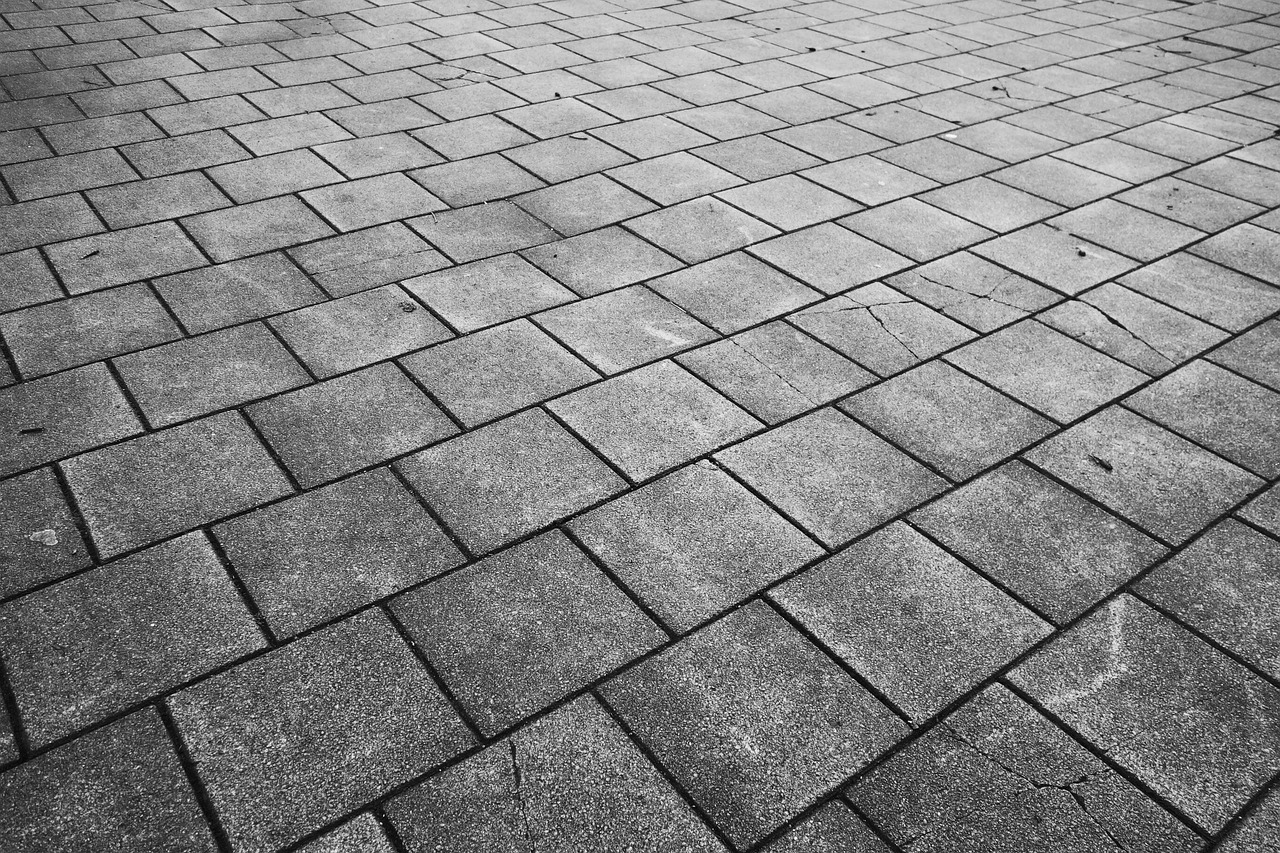
Constructing an Unyielding Subgrade Foundation for Coastal Inground Pool Patios
Installing an interlocking concrete paver or natural stone deck around an inground swimming pool transforms a backyard into an upscale outdoor resort. However, pool surrounds endure intense environmental stress, from constant splashing and chlorinated water saturation to heavy pedestrian traffic and shifting ground conditions. Constructing a solid paver pool deck base Pascagoula MS contractors engineer ensures your pool coping and surrounding pavers remain perfectly level without sinking, separating, or creating trip hazards. Pascagoula is an industrial port city and coastal community situated along the Mississippi Sound and Pascagoula River in Jackson County, where shallow water tables, sandy alluvial soils, and tropical storm surges demand resilient civil hardscaping. When subgrades lack compacted stone, pool splash water softens native sand, causing pavers to settle into dangerous hollows. Scheduling reliable bulk transport through Pascagoula aggregate delivery brings dense 3/4-inch minus base gravel, washed concrete sand, and bedding aggregates directly to your poolside.
A resilient pool deck foundation combines non-woven geotextile soil separation, a six-inch compacted crushed stone base, and an uncompacted one-inch sharp sand setting bed.
Key Engineering Principles for a Paver Pool Deck Base Pascagoula MS Projects Need
Backfilled soil around a newly excavated swimming pool requires years to settle naturally. Laying pavers directly over backfilled trench sand inevitably leads to sunken pavers and damaged pool coping.
Professional pool builders excavate virgin ground and backfill zones to accommodate a multi-tiered aggregate foundation. The subgrade is lined with non-woven geotextile fabric to stop aggregate from punching down into wet coastal subsoil. Above the fabric, a six to eight-inch base of 3/4-inch minus base gravel is compacted in two-inch lifts with a mechanical plate tamper. The angular stone faces interlock tightly while mineral fines fill micro-voids, forming an impermeable, unyielding platform that bridges soft backfill pockets. A uniform one-inch screed bed of coarse washed concrete sand is spread across the compacted gravel to seat pavers evenly. The Mississippi State University Extension Service emphasizes that managing subsurface water drainage and constructing compacted aggregate sub-bases over geotextile membranes is vital to prevent subgrade washouts and pavement subsidence along coastal shorelines. When constructing a paver pool deck base Pascagoula MS homeowners depend on, rigorous base compaction guarantees lasting alignment.
Core standards for pool deck base construction include:
- Geotextile Separation: Heavy-duty non-woven fabric prevents crushed aggregate from sinking into wet coastal sand.
- Compacted Base Depth: Install six to eight inches of 3/4-inch minus crushed stone compacted to ninety-five percent standard Proctor density.
- Screed Bed Consistency: Maintain a uniform one-inch bed of sharp concrete sand; never use stone dust directly around wet pool coping.
- Positive Drainage Slope: Pitch the deck at least one-quarter inch per foot away from the pool edge to shed splash water into perimeter drains.
Recommended Aggregates for Coastal Pool Surrounds
Selecting clean, high-density crushed stone guarantees long-term patio stability and rot prevention. Review our top materials:
- → 3/4″ minus base gravel: Dense-graded crushed limestone featuring fractured rock and fines that packs into an unyielding, water-shedding slab.
- → Concrete sand: Sharp, coarse washed silica sand that provides optimal shear strength and rapid water drainage beneath paving stones.
- → Stone dust: Finely screened limestone screenings useful for rustic stepping paths and secondary walkway leveling.
Review our comprehensive concrete sand material guide to understand ASTM particle gradations, screeding methods, and paver interlocking dynamics.
Pool Deck Base Material Comparison
Compare the functional performance of common hardscape base aggregates to select the ideal mix for your coastal pool surround:
| Material Type | Primary Function | Performance Characteristics |
|---|---|---|
| 3/4″ Minus Base Gravel | Core load-bearing pool deck foundation | Maximum compaction density, bridges soft backfill, resists settlement |
| Coarse Concrete Sand | One-inch paver setting bed | Sharp angular grains, fast water percolation, ICPI recommended standard |
| Stone Dust Screenings | Secondary path bedding | Packs hard, but holds moisture; less optimal than sand directly around wet pools |
| Native Coastal Sand | Subgrade excavation medium | Shifts under pressure, washes out easily when wet, unsuitable for base |
Step-by-Step Pool Deck Base Installation Process
Follow these proven field steps to build a dependable, non-settling paver foundation around your pool:
- Excavate and Check Slope: Dig out native soil nine to ten inches below finished paver height, grading a quarter-inch drop per foot away from coping.
- Install Geotextile Membrane: Line the entire excavation with heavy non-woven geotextile fabric, overlapping seams by twelve inches.
- Deposit Base Stone in Lifts: Spread 3/4-inch minus base gravel in two-inch layers, checking depths across the pool surround.
- Vibrate and Compact: Run a mechanical plate compactor over each lift, making multiple passes until the stone is rock-solid.
- Screed Bedding Sand: Place one-inch screed rails and pull a straightedge board to create a perfectly flat, uncompacted sand bedding layer.
Managing Coastal Moisture and Tropical Storms in Pascagoula
Pascagoula experiences intense tropical storms, high summer humidity, and coastal tidal surges that saturate residential subsoils. Unpaved ground can remain damp for days, causing poorly prepared paver decks to shift. Homeowners can easily schedule aggregate delivery in Pascagoula to receive crushed base stone and bedding sand directly on their driveway. Hardscape builders in West Point, MS and across the coastal plain apply identical base engineering standards to build luxury pool surrounds that endure severe weather.
Calculating Pool Deck Base Material Requirements
Accurate material calculations ensure a continuous hardscape installation without costly base shortages:
Measure the surface area of your planned pool deck minus the swimming pool water footprint. For example, a deck measuring 800 square feet requiring a 6-inch compacted base depth (0.5 feet) requires 400 cubic feet of stone:
800 x 0.5 = 400 cubic feet
Convert cubic feet to cubic yards by dividing by 27:
400 / 27 = 14.81 cubic yards
Crushed 3/4-inch minus base gravel weighs approximately 1.4 tons per cubic yard:
14.81 x 1.4 = 20.73 tons of base gravel
For the 1-inch concrete sand bedding layer (2.47 cubic yards), ordering 3.5 tons of washed concrete sand completes the order.
Frequently Asked Questions
Why is concrete sand preferred over stone dust under pool pavers?
Concrete sand consists of coarse, angular silica grains that drain water rapidly, preventing splash water from becoming trapped beneath pavers.
How long should backfilled soil settle before building a paver pool deck?
While natural settling can take twelve months, utilizing mechanical vibratory compaction with crushed base rock over geotextile fabric allows safe deck construction much sooner.
Do I need edge restraints around a paver pool deck?
Yes, heavy commercial paver edging secured with ten-inch steel spikes is essential along the outer deck perimeter to stop pavers and bedding sand from spreading.
How thick should the crushed stone base be around an inground pool?
Install a minimum of six inches of compacted 3/4-inch minus base gravel on stable soil, increasing to eight inches over deep utility backfill trenches.
Order Your Pascagoula Hardscape Aggregates Today
Build an enduring, resort-style paver deck that remains level and safe for decades. We deliver dense 3/4-inch minus base stone, washed concrete sand, and bedding materials directly to residential and commercial job sites across Jackson County. Contact our staff to coordinate your Pascagoula bulk gravel delivery today.
Browse all aggregate delivery areas across Mississippi today











