




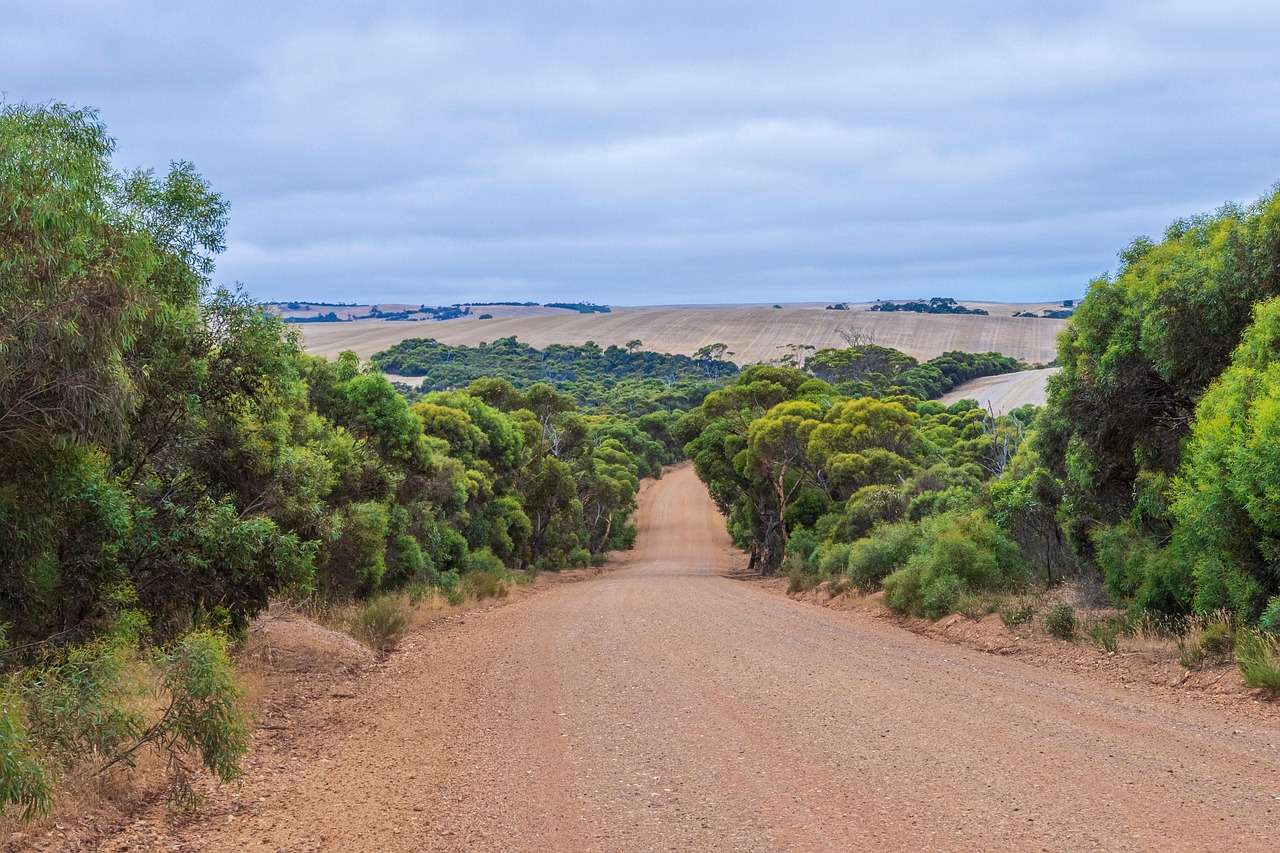
Maintaining a smooth, well-drained private roadway across rural residential acreages and farmsteads in Wright County requires an aggregate strategy that withstands heavy vehicular loads and severe seasonal weather. In St. Michael, properties along County Road 19, Highway 241, and rural tracts bordering the Crow River navigate undulating glacial moraines, rich clay loam till, and gravelly river outwash deposits. During spring thaws, saturated clay subgrades lose shear strength, causing heavy delivery trucks and passenger vehicles to punch deep ruts into unreinforced road surfaces. Practicing proactive private gravel road St. Michael MN maintenance keeps private access lanes stable, free of potholes, and safely passable throughout the year. You can inspect local structural aggregates on our St. Michael gravel delivery page to choose road base materials and surface gravel for your acreage roadway.
Keeping a private road in prime driving condition involves three core practices: establishing a prominent center crown, maintaining open roadside drainage ditches, and replenishing crushed aggregate wearing courses regularly.
To inspect regional terrain, local road standards, and municipal guidelines across Wright County, check:
St. Michael Geography and Municipal Infrastructure (Wikipedia)
Why Private Roads in St. Michael Demand Specialized Road Base Aggregates
St. Michael features rolling agricultural terrain underlain by glacial till containing high percentages of fine clay and silt. In eastern Wright County, winter frost penetrates forty-eight inches into the subgrade. When melting snow saturates the roadbed in March and April, trapped water turns fine clay into a soft, yielding slurry. Driving over saturated roads breaks surface crusts, leading to washboarding, severe rutting, and muddy sinkholes. Implementing private gravel road St. Michael MN grading techniques preserves road structural integrity.
Road base gravel solves this problem by combining coarse fractured aggregate with a balanced proportion of mineral stone dust. When moistened and rolled with heavy equipment, fine particles lock into the voids between larger crushed stones, creating an impermeable, concrete-like structural matrix that sheds surface water outward into side ditches rather than allowing it to soak downward into weak clay subsoil.
- Dense interlocking road foundation stone → Road base gravel
- Graded structural wearing surface → 3/4″ minus base gravel
- Heavy subgrade stabilization ballast → #4 crushed stone
- Ditch check dam stone → 1 1/2″ clean rock
Browse road base gravel options available in St. Michael
Recommended Material Courses for Durable Rural Roads
Layering coarse stabilization rock beneath a dense graded wearing course ensures long-term roadway stability under heavy vehicle traffic.
| Roadway Course | Recommended Aggregate | Structural Purpose |
|---|---|---|
| Subgrade Stabilization (4″ to 6″) | #4 Crushed Stone (1 1/2″ to 2 1/2″) | Bridges soft saturated clay subsoils and provides deep mechanical load support. |
| Base Foundation (4″ Depth) | Road Base Gravel (Class 5 Aggregate) | Blends fractured gravel and stone dust to form an impermeable, solid load-bearing pad. |
| Wearing Surface (2″ to 3″) | 3/4″ Minus Base Gravel | Compacts into a smooth, tightly bound driving surface that sheds water into ditches. |
| Drainage Swale Ballast | 1 1/2″ Clean Rock | Lines roadside ditches to convey runoff safely without causing embankment erosion. |
Grading a Proper Crown and Clearing Drainage Ditches
Water is the primary enemy of unpaved roadways. Without a sufficient crown, rainwater pools in surface depressions, softening the gravel and forming deep potholes under vehicle tires. Grade your road with a definitive center crown sloping downward to each shoulder at a rate of one-half inch per foot (a four percent cross slope). Property owners managing long driveways in nearby Otsego follow identical road crowning methods to maintain safe winter driving conditions.
Pair the crowned surface with clear roadside swales graded to move stormwater away from the roadbed. Never allow road shoulders to build up a secondary berm of plowed snow or turf that traps water on the driving lane. Review our comprehensive road base gravel material guide to understand compaction mechanics and aggregate grading curves.
Repairing Potholes and Washboarding Effectively
Simply shoveling loose gravel into a dry pothole provides temporary relief that lasts only until the next rainstorm. Potholes have hard, compacted rims that eject loose aggregate when vehicle tires roll over them. To make a lasting repair, scarify or rake the edges of the pothole down to its base to break up the hard rim.
Fill the excavated hole with moist 3/4-inch minus road base gravel, overfilling slightly by one inch. Tamp the repair thoroughly with a heavy hand tamper or drive your vehicle tires back and forth over the patch to compact the stone firmly. Blending repair gravel into surrounding road material eliminates recurring depressions.
Advantages of Bulk Dump Truck Delivery in St. Michael
- Tandem and tri-axle dump trucks deliver ten to twenty tons per load directly to your acreage road.
- Skilled drivers can tailgate-spread aggregate evenly along your roadbed, saving hours of tractor grading.
- Significantly lower cost per ton than buying bagged gravel or smaller retail pickup loads.
- Reliable scheduled deliveries accommodate large private road maintenance schedules across Wright County.
Calculating Aggregate Tonnage for Road Resurfacing
Proper estimation ensures your private gravel road St. Michael MN upkeep project has adequate stone without running short mid-stretch. Multiply road length in feet by width in feet, multiply by gravel depth in inches, and divide by 324 to determine cubic yards. Compacted road base gravel weighs approximately 1.4 tons per cubic yard.
For example, if you resurface a 200-foot private access road that is 12 feet wide (2,400 square feet) with a 3-inch layer of road base gravel, multiply 2,400 by 3 to get 7,200. Divide 7,200 by 324 to find 22.22 cubic yards. Multiplying 22.22 cubic yards by 1.4 tons indicates that you will need approximately 31.1 tons of road base aggregate.
Frequently Asked Questions
Why do washboard ridges form on gravel roads?
Washboarding occurs when vehicles drive too fast over loose, dry gravel; vehicle suspensions bounce rhythmically, pushing stone into ripples. Regular grading and maintaining moist base compaction prevent it.
How often should I grade my private gravel road?
Most private rural roads benefit from grading twice a year: once in spring after frost leaves the ground and once in late autumn before winter freezes the roadbed.
Can I spread clean rock over my road instead of road base?
Clean stone without fines will remain loose and roll under tires like marbles; road base requires mineral fines to bind coarse stones into a firm driving surface.
What is tailgate spreading and how does it save time?
Tailgate spreading occurs when the delivery truck driver chains the dump gate open slightly and drives forward while dumping, depositing a uniform layer of gravel directly across the road.
Final Thoughts
Keeping a private roadway durable and smooth in St. Michael requires establishing proper drainage crowns, clearing ditches, and resurfacing with high-quality road base gravel. By reinforcing soft subgrades and binding surface stones, you ensure safe, reliable access to your rural acreage year-round. Find your Minnesota delivery area here to schedule bulk delivery of road base and crushed stone to your property.











