




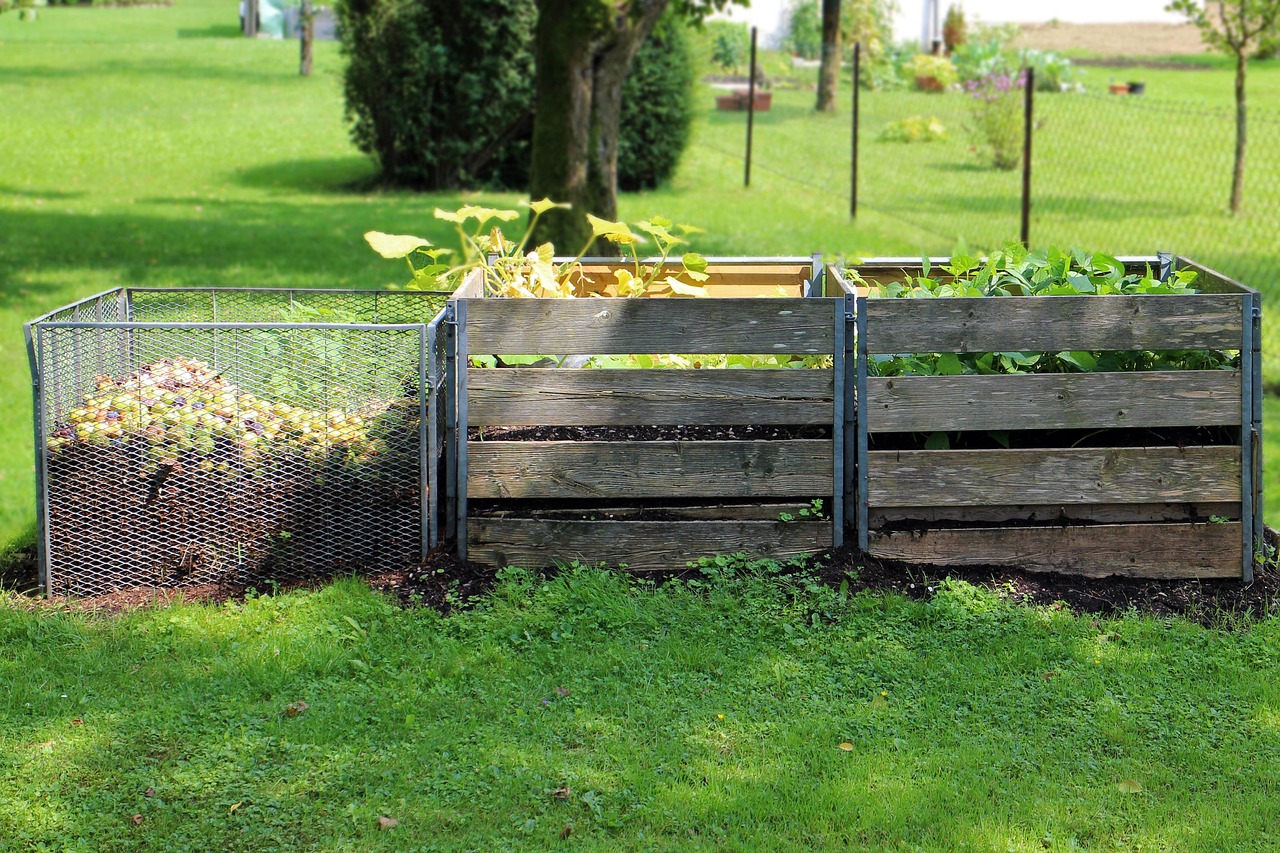
Urbana is an agricultural and scientific center in east-central Illinois, anchored by the University of Illinois Urbana-Champaign and historic research plots like the Morrow Plots. Residential neighborhoods surrounding Race Street, Lincoln Avenue, and Florida Avenue boast an active community of backyard gardeners and urban homesteaders. While Champaign County possesses some of the most productive farmland on the planet, attempting to fill backyard planter boxes with native backyard dirt often leads to disappointment. Choosing the right raised bed soil Urbana IL gardeners need requires understanding the difference between structured mineral garden soil and biologically active compost. To view premium bulk planting soils delivered directly to your driveway, visit our Urbana gravel delivery page.
When native prairie clay is confined within a raised bed, it compacts under watering, forming an airless mass that suffocates vegetable roots. Conversely, filling a bed entirely with pure compost causes the medium to decompose rapidly and settle, leaving plants drying out too quickly during hot Midwestern summer afternoons. This comparison examines how blended garden soil and compost perform in raised beds, outlining ideal mixing ratios, aeration strategies, and seasonal maintenance.
For scientific research on soil amendments, vegetable nutrition, and raised bed gardening in central Illinois, consult:
University of Illinois Extension Horticulture and Master Gardener Program (Source)
Why Prairie Clay Demands Specialized Raised Bed Soil Urbana IL Formulations
Native soil in Urbana consists of Drummer silty clay loam and Flanagan silt loam. While naturally rich in minerals, this fine-textured prairie soil contains heavy clay colloids. In open fields, deep root systems and winter freeze cycles keep the earth porous. Shoveled into raised planters, clay loses its natural crumb structure. Daily hose watering washes microscopic clay particles together, creating a dense plug that prevents roots from absorbing moisture and nutrients.
Raised bed gardening bypasses native soil problems by creating an optimized root environment built above native clay. Achieving high vegetable yields requires balancing physical structure with organic fertility. You need a stable soil medium that provides mineral anchorage, paired with living organic compost that supplies slow-release nitrogen, phosphorus, and beneficial mycorrhizal fungi.
- Structured planting mix for deep root anchorage and moisture balance → garden soil
- Nutrient-dense organic microbial amendment → compost soil
- Base soil volume builder and native subgrade conditioner → screened topsoil
- Underlying planter drainage pads and perimeter pathways → clean crushed limestone gravel
Browse raised bed soils available in Urbana
Comparing Garden Soil and Compost for Urbana Raised Beds
| Performance metric | Blended Garden Soil | Organic Compost Soil |
|---|---|---|
| Primary function | Provides long-term physical structure, mineral bulk, and moisture retention | Supplies concentrated nutrients, organic humus, and beneficial soil microbes |
| Decomposition rate | Breaks down very slowly, maintaining consistent bed volume over years | Decomposes continuously, requiring annual seasonal top-ups as volume drops |
| Drainage and aeration | Sand and perlite particles maintain air channels around vegetable roots | Holds significant moisture but can become spongy if used without mineral soil |
| Nutrient availability | Provides balanced baseline minerals suited for general vegetable growth | Delivers rich biological fertility that feeds heavy-feeding tomatoes and squash |
Rather than choosing one material exclusively, successful Urbana growers combine both products to create a self-sustaining soil ecosystem.
Step 1: Construct the Bed and Line the Base
Build raised beds twelve to eighteen inches deep, using cedar or corrugated metal. Position beds on an east-west axis to maximize sunlight. If building over turf, scalp grass short and line the bottom with untreated cardboard. This paper barrier smothers weeds while allowing earthworms to migrate upward into the bed as paper breaks down.
Step 2: Blend the Ideal Soil and Compost Recipe
The golden ratio for raised bed production is sixty percent blended garden soil or screened topsoil combined with forty percent organic compost soil. Shovel the components into the bed in alternating layers, mixing with a garden fork. Garden soil supplies mineral density that keeps plants standing upright in summer storms, while compost delivers rich organic matter that retains moisture and feeds microbes. Our garden soil guide details nutrient profiles and moisture holding capacities.
Community gardeners managing vegetable plots across central Illinois follow this identical blending ratio to produce record yields of heirloom tomatoes, peppers, and leafy greens.
Step 3: Settle, Mulch, and Plant
Water the newly blended raised bed with a gentle sprinkler wand to settle air pockets before planting. Soil will settle roughly an inch; top off with extra compost. After planting seedlings, spread a two-inch layer of clean straw or organic bark mulch. Surface mulching prevents solar heat from baking soil, reduces water evaporation, and stops mud from splashing onto vegetable leaves.
Benefits of Local Delivery for Urbana Garden Projects
- Dump trucks deliver bulk soil and compost directly to driveways, saving endless trips hauling dirty plastic bags
- Direct sourcing delivers biologically active compost and screened soils free of weed seeds or chemical residues
- Substantial cost savings per cubic yard over purchasing individual bags at big box retail centers
- Scheduled truck arrivals allow you to fill multiple raised planters in a single weekend work session
How Much Soil Will Your Urbana Raised Beds Require?
Calculating the volume of soil required for raised garden boxes relies on the standard cubic yardage formula: length in feet multiplied by width in feet multiplied by bed depth in inches, divided by 324. For bulk planting soils and compost blends, one cubic yard weighs approximately 1.1 to 1.3 tons depending on moisture content.
For example, if you are building three raised vegetable beds that each measure 8 feet long by 4 feet wide and 12 inches deep, calculate 8 multiplied by 4 multiplied by 12, which equals 384. Divide 384 by 324 to get 1.185 cubic yards per bed. Multiplying by three beds equals 3.56 cubic yards total. Multiplying 3.56 cubic yards by 1.2 gives 4.27 tons. Ordering 5 tons ensures you have ample soil to fill beds completely and top off settling pockets.
FAQ
Can I fill my raised beds entirely with compost?
No, pure compost is too rich for seedlings, dries out rapidly in summer, and shrinks as it breaks down. Blend compost with mineral soil.
How often do I need to add fresh compost to my raised beds?
Add a one-to-two-inch layer of organic compost every spring to replace decomposed organic matter and replenish soil nutrients naturally.
Do I need gravel at the bottom of my raised beds for drainage?
Never place gravel in the bottom of a raised bed. Gravel creates a perched water table that traps moisture above rock, waterlogging roots.
How do I test my raised bed soil fertility in Urbana?
Submit a soil sample to the local county extension office every three years to test pH, phosphorus, and potassium for targeted fertilization.
Final Thoughts
Achieving a bountiful harvest with the right raised bed soil Urbana IL climate demands comes down to combining structural mineral garden soil with nutrient-rich compost. By blending sixty percent garden soil with forty percent compost, your raised beds will hold moisture during dry summer weeks, provide effortless root penetration, and yield abundant vegetables year after year. Explore our full range of bulk soils and aggregates across Champaign County on our Illinois service area page.











