
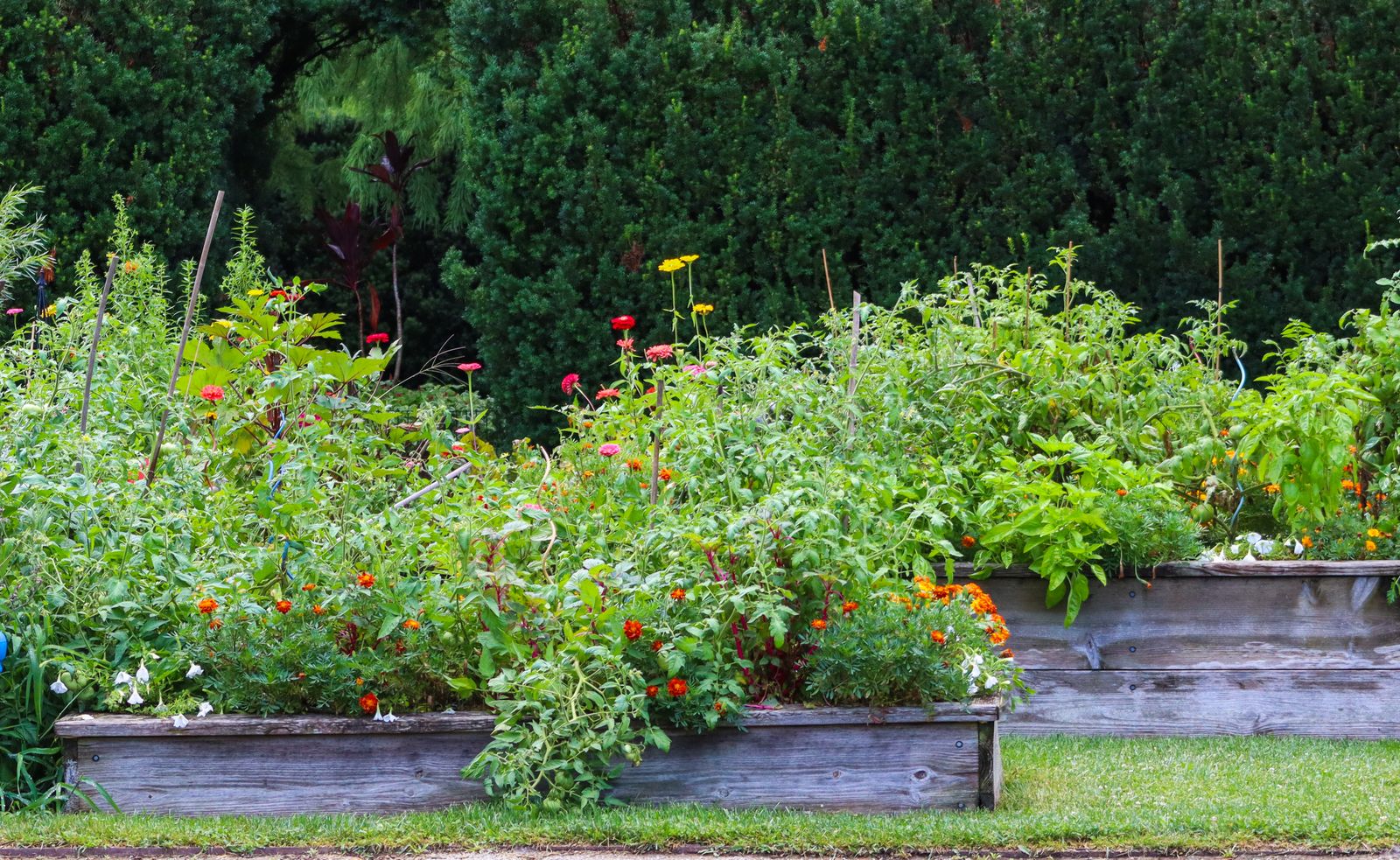
Wamego sits on the Kansas River, often called the Kaw, at the gateway to the Flint Hills. The river valley has a long farming history, and plenty of Wamego households keep vegetable gardens along 4th Street and on acreage toward the river. Raised beds have become the go-to choice for those gardens because they warm up early, drain well and keep soil loose. What you put inside them matters most, though. This guide explains how to choose raised bed soil in Wamego, KS and keep it productive. Every soil product mentioned is available through our Wamego delivery page.
For background on how raised beds work and why gardeners use them, see:
Raised-bed gardening (Wikipedia)
Why Wamego Gardens Benefit From Raised Beds
River-bottom ground near the Kaw can be rich, but it often floods, stays wet in spring and compacts easily. Upland lots tend to have heavier clay or rocky Flint Hills soil. Raised beds sidestep both problems. You control the soil from the start, roots never sit in standing water, and the beds warm up a week or two earlier in spring, which helps with tomatoes and peppers in a short Kansas planting window.
A good raised bed mix blends three materials:
- Main growing medium → garden soil
- Organic matter and nutrients → compost soil
- Bulk fill for deep beds → screened topsoil
- Paths between beds → walkway gravel or mulch
Browse garden soils available in Wamego
Raised Bed Mix Options for Wamego
| Bed type | Suggested mix | Why it works |
|---|---|---|
| Vegetable beds, 10–12 inches deep | Garden soil with extra compost | Loose, fertile and holds moisture evenly |
| Deep beds, 18 inches or more | Screened topsoil below, garden soil on top | Saves cost while keeping the root zone rich |
| Herb and flower beds | Garden soil with less compost | Herbs prefer leaner, well-drained soil |
| Topping up older beds | Compost soil | Replaces organic matter used up by last season |
How Deep to Fill
Most vegetables root well in 10 to 12 inches of good soil. Tomatoes, squash and root crops appreciate 12 to 18 inches. For taller beds built for easier reach, fill the bottom third with screened topsoil and the rest with garden soil. That keeps costs down without shortchanging the roots that matter. Before filling, loosen the native ground at the bottom of the bed with a fork so roots and water can move into it.
Mixing and Settling the Soil
If you are blending your own mix, combine roughly two parts garden soil to one part compost. Fill the bed in layers, watering each one lightly so the soil settles. New soil usually sinks an inch or two over the first month, so overfill slightly or plan to top it up. Our garden soil guide explains how it differs from plain topsoil.
Keeping Beds Productive Year After Year
Every season, crops and soil life use up organic matter, and beds slowly sink. Each spring or fall, spread one to two inches of compost over the surface and work it into the top few inches. Mulch between plants with straw or shredded bark to keep moisture in during July heat. Rotate crop families between beds to cut down on pests and disease. Gardeners in nearby Manhattan and St. Marys follow the same routine to keep beds going for a decade or more.
Watering and Mulching Through a Kansas Summer
Raised beds drain well, which is a strength in a wet spring and a challenge in a dry July. Water deeply two or three times a week rather than lightly every day, so roots grow down instead of staying near the surface. A drip line or soaker hose under a layer of straw saves water and keeps leaves dry, which reduces disease on tomatoes and squash. Check moisture by pushing a finger two inches into the soil; if it is dry at that depth, it is time to water. Shade cloth over lettuce and greens extends the cool-season harvest by a few weeks once the heat arrives. Gardeners in Ogden, just up the valley, use the same approach on their sandier ground.
Paths Between the Beds
Muddy paths between beds are one of the most common garden complaints. Lay landscape fabric between the beds and cover it with walkway gravel or a few inches of mulch. Gravel paths stay firm after rain and are easy to push a wheelbarrow over. Leave at least two feet between beds, or three if you need room for a cart.
Benefits of Local Delivery for Wamego Gardeners
- Soil and compost delivered together for a one-day build
- Bulk soil costs far less than bagged mixes
- Drop placed near the garden to save hauling
- Simple compost reorders each season
Working Out How Much Soil to Order
For each bed, multiply length by width in feet, multiply again by the fill depth in inches, then divide by 324. That is the volume in cubic yards. Four 4-by-8 beds filled 12 inches deep need about 4 cubic yards in total. Add ten percent for settling.
FAQ
Can I fill raised beds with plain topsoil?
Topsoil alone tends to compact in a bed. Blending it with garden soil or compost gives a lighter, more fertile mix.
Do I need to replace bed soil every year?
No. Top it up with compost each season and the soil improves over time.
Should I line the bottom of the bed?
Hardware cloth keeps burrowing animals out. Avoid plastic, which traps water.
When should I build beds in Wamego?
Fall is ideal, since the soil has time to settle before spring planting. Early spring works too.
Final Thoughts
Raised beds give Wamego gardeners control over drainage, warmth and soil quality, which is exactly what river-valley and Flint Hills ground can lack. Fill them with a rich mix, top them up with compost each year, and they will keep producing season after season. Gardening in another part of the state? See the Kansas towns we serve.











