
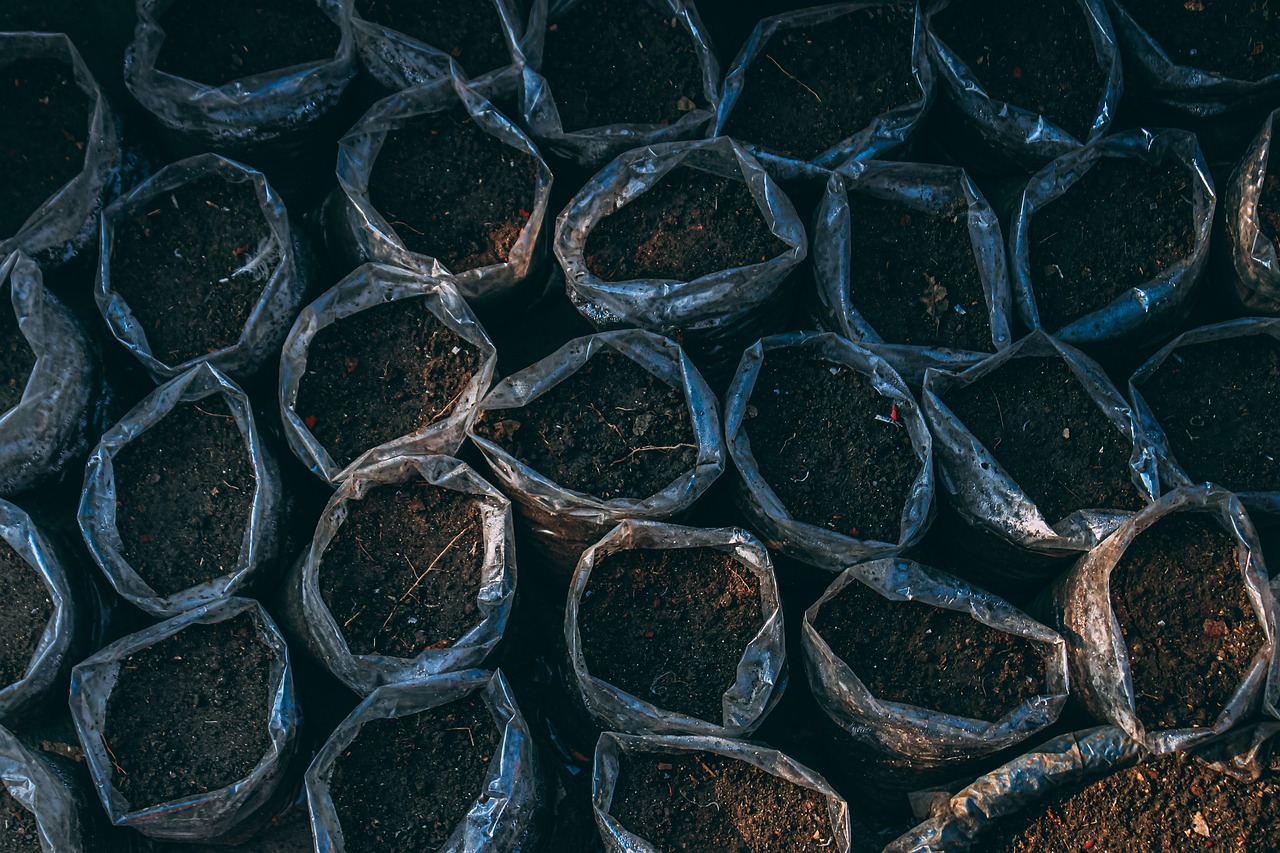
Growing bountiful organic vegetables and flowering perennials in Snohomish County backyards requires nutrient-dense, well-aerated planting soil. Installing high-yield raised garden bed soil Silver Firs WA gardeners trust gives root vegetables, heirloom tomatoes, and culinary herbs the optimum growing medium. Situated south of Everett and east of Mill Creek, Silver Firs features master-planned suburban neighborhoods with native glacial till soils heavy in clay and stones. Planting crops directly into dense native subsoils leads to waterlogged roots during damp spring planting seasons and stunted plant growth. Building timber or corrugated metal raised planter boxes allows gardeners to completely bypass uncooperative native earth, lifting root systems above seasonal high water tables. Filling planter boxes with a custom blend of rich garden soil, dark organic compost, and screened sandy loam creates a lightweight, moisture-retentive growing matrix that warms quickly in spring sunshine. Arranging bulk dump truck loads through Silver Firs aggregate delivery brings premium soils, compost, and amendments right to your driveway.
Why Premium Raised Garden Bed Soil Silver Firs WA Gardeners Use Boosts Harvests
Raised garden beds provide complete control over growing conditions, soil drainage, and root zone aeration. High-performing soil mixtures prevent root compaction while providing consistent nutrient availability.
Standard yard dirt packs down tightly when watered, depriving plant roots of vital oxygen. Premium raised bed blends combine mineral topsoil with aged organic compost and moisture-regulating organic matter. This friable texture encourages deep root penetration, allows earthworms to thrive, and buffers delicate crops against summer dry spells, producing vigorous root development and bountiful vegetable yields.
Top Soil and Compost Blends for Snohomish County Planters
Formulating an exceptional raised bed mixture requires balancing fertility, structure, and drainage capacity:
- → Garden soil: Pre-blended, balanced planting mix containing screened loam, composted organic matter, and vital micronutrients tailored for heavy-feeding vegetables.
- → Compost soil: Fully decomposed, dark organic humus rich in beneficial microorganisms that boost moisture retention and microbial activity.
- → Screened topsoil: Clean sandy loam soil sifted through fine mesh to provide structural mineral body and prevent organic matter from settling excessively.
Ordering bulk soils through Silver Firs aggregate delivery eliminates the high cost and plastic waste of hauling dozens of retail bags.
Comparing Soil Blends for Raised Vegetable Beds
Reviewing soil characteristics helps Silver Firs gardeners determine the best formula for their planter boxes:
| Soil Medium | Nutrient Density | Drainage & Aeration |
|---|---|---|
| Custom Garden Soil Blend | High; formulated specifically for vegetables | Exceptional; balances water holding with aeration |
| Pure Organic Compost | Very High; rich in nitrogen and humus | Rapid decomposition; can settle too much if unmixed |
| Screened Sandy Loam Topsoil | Moderate; rich in structural minerals | Good; provides long-term mineral body and root stability |
| Native Glacial Till Dirt | Low to Moderate; lacks aeration | Very Poor; packs into dense clay that suffocates roots |
| Potting Soil Mix | Moderate; lightweight peat-based | High; expensive in large volumes; dries out quickly in sun |
How to Fill and Layer Raised Garden Beds Properly
Maximizing yields with raised garden bed soil Silver Firs WA growers utilize begins with proper bed placement in an area receiving at least six to eight hours of direct sunlight. Place untreated cedar, fir, or powder-coated metal planter boxes directly over level ground.
Line the bottom of the planter box with a layer of unprinted cardboard or heavy brown craft paper. This smothers existing weeds and lawn grass while decomposing naturally over time. For deep beds over eighteen inches, you can practice the hugelkultur method by placing rotting hardwood logs and branches in the bottom third to build long-term moisture reserves.
Fill the top twelve to fourteen inches with an optimal blend consisting of 50 percent garden soil, 30 percent compost soil, and 20 percent screened topsoil. Mix the layers lightly with a garden fork. Water the bed thoroughly to settle the soil, then top off with an additional two inches of compost mulch to lock in moisture.
Silver Firs Weather Patterns, Glacial Soils, and Drainage
Silver Firs sits on glacial drift ridges between the Snohomish River valley and Puget Sound. Native soils belong to the Alderwood series, featuring dense basal till that stays wet and cold well into June. Raised planter boxes warm up weeks earlier in the spring than in-ground garden plots, allowing gardeners to start cool-season greens and brassicas significantly earlier.
Consulting our garden soil material guide offers deeper insights into soil pH and organic ratios. Gardeners across western Washington communities like Mukilteo, WA rely on raised bed gardening techniques to overcome rocky, poorly drained native soils.
Calculating Soil Volume and Delivery Tonnage for Planters
Accurate material calculations ensure you order enough soil to fill all your garden boxes in a single delivery. Use standard dimensional formulas based on planter volume:
Formula: Box Length (feet) × Box Width (feet) × Box Depth (feet) ÷ 27 = Total Cubic Yards
Consider a backyard with three large raised garden boxes, each measuring 8 feet long, 4 feet wide, and 1.5 feet deep (32 square feet × 1.5 = 48 cubic feet per box, totaling 144 cubic feet). Converting to cubic yards: 144 ÷ 27 = 5.33 cubic yards of soil blend. At approximately 1.2 tons per cubic yard for lightweight organic garden soil: 5.33 × 1.2 = 6.4 tons of bulk soil. If filling four smaller boxes measuring 6 feet by 3 feet by 1 foot deep (72 cubic feet total): 72 ÷ 27 = 2.67 cubic yards, or about 3.2 tons. Always order an extra half-yard to account for initial settling after the first thorough watering.
Frequently Asked Questions About Silver Firs Garden Soil
Can I fill my raised bed with 100 percent compost?
While compost is fantastic for fertility, pure compost decomposes rapidly and will shrink by half within a single season. Blending compost with mineral topsoil and garden soil provides long-term structural volume.
How often does raised bed soil need replacement?
You never need to discard the soil. Instead, top-dress your beds annually each spring with two to three inches of fresh compost soil to replenish organic nutrients and replace settled volume.
What is the ideal soil pH for backyard vegetable beds?
Most common vegetables, including tomatoes, peppers, carrots, and lettuce, thrive in slightly acidic to neutral soil with a pH between 6.2 and 6.8. Our garden soil blends are balanced specifically for this range.
Do I need to line the sides of wooden garden boxes?
Lining the inside wood walls with breathable landscape fabric can extend the lifespan of natural timber beds by preventing direct, moist soil contact without trapping toxic mold.
Order Premium Garden Soils for Your Backyard Harvest
Prepare your garden beds for exceptional growing success with certified organic soil blends. Ordering the raised garden bed soil Silver Firs WA families trust through Silver Firs aggregate delivery ensures prompt dump truck delivery right to your driveway. Find regional planting calendars and vegetable gardening guides from Washington State University Extension to maximize your harvest.











