
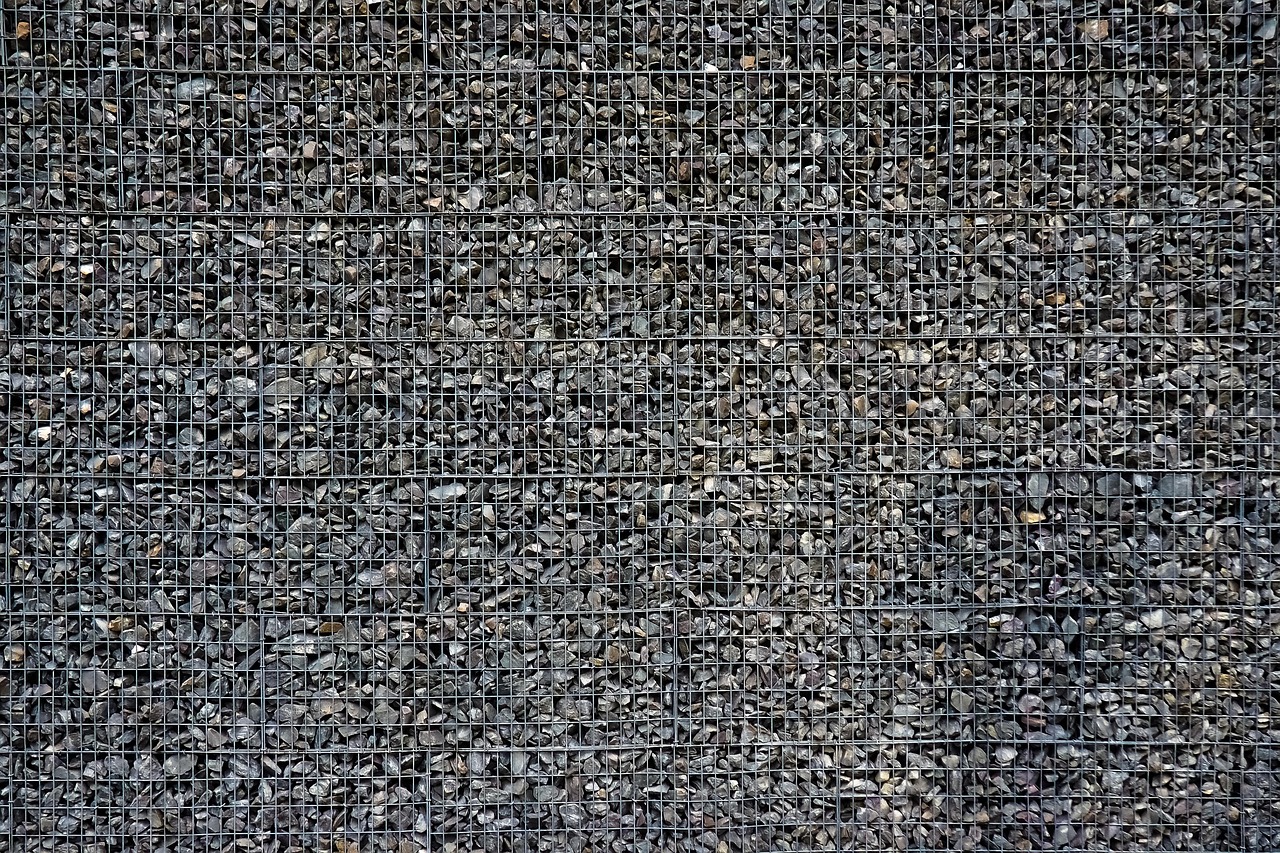
The Project in Burnsville
Burnsville is a scenic community in Dakota County known for dramatic bluffs along the Minnesota River, Buck Hill, and wooded neighborhoods. Homeowners construct retaining walls to carve out backyard terraces, level driveways, and stabilize slopes. However, hillside walls face geotechnical risks. Trapped groundwater behind walls is the primary cause of structural failure. When wet clay collects behind concrete blocks, hydrostatic pressure pushes wall faces forward, causing bowing and collapse during winter freezes. Installing a retaining wall backfill Burnsville MN drainage column using clean #57 stone, #67 aggregate, and geotextile fabric ensures rapid drainage and long-term stability. Property owners can source drainage stone by ordering reliable gravel delivery in Burnsville.
Selecting clean, open-graded crushed stone creates the friction angle and void space needed to relieve wall pressure. Browse popular materials for this area:
- #57 stone → Best for primary retaining wall drainage columns and perforated drain tile envelopes.
- #67 crushed stone → Best for narrow drainage cavities and pipe bedding behind smaller residential garden walls.
- 3/4″ minus base gravel → Best for compacting solid, non-yielding leveling pad trenches beneath wall foundation blocks.
Learn more in our guide to #57 clean stone.
Why Burnsville’s Soil and Climate Shape This Project
Burnsville’s topography is defined by steep glacial moraines and river bluffs, where native soils belong to Kingsley, Burnsville, and Waukegan series. These soils contain sandy loam caps over dense glacial till clay. On steep slopes, surface runoff percolates into sand until hitting impervious clay, funneling water toward retaining walls.
Dakota County experiences harsh winter freezes with ground frost penetrating forty-eight to fifty-four inches. When water is trapped in fine soil behind a wall during sub-zero cold, it freezes into thick ice lenses that expand forward, exerting tons of lateral thrust. Placing a twelve-inch vertical chimney of clean #57 stone behind wall blocks allows water to drop immediately to drain pipes before freezing, neutralizing lateral pressure.
Best Aggregates for Retaining Wall Backfill in Burnsville
Choosing washed aggregates with zero fines is critical to keep your retaining wall backfill Burnsville MN drainage system operating indefinitely.
| Material | Best Used For | Key Advantage in Burnsville |
|---|---|---|
| #57 Stone (3/4″ Clean Limestone) | Primary vertical drainage column behind blocks | Forty percent internal void space allows immediate gravity drainage to footing pipes. |
| #67 Crushed Stone (1/2″ Clean) | Tight drainage cavities and pipe surrounds | Smaller stone sizes flow easily into narrow spaces behind decorative garden blocks. |
| 3/4″ Minus Base Gravel | Wall leveling pad foundation trench | Angular fractured stone and stone dust pack into a rigid, non-settling foundation. |
| Heavy Non-Woven Geotextile | Separation between native soil and backfill | Prevents native slope clay from migrating into clean drainage stone over time. |
Washed #57 clean stone is the industry benchmark for retaining wall backfill. Its uniform angular facets lock together, creating high internal shear resistance that relieves pressure on wall blocks while providing open channels for water escape. Beneath wall blocks, 3/4-inch minus base gravel provides the dense footing needed to prevent wall settling.
Step-by-Step Retaining Wall Backfill Installation
Construct a stable, freeze-resilient retaining wall backfill system in Burnsville with these practical steps.
- Excavate and compact leveling trench: Dig a trench twelve inches deep, filling with six inches of compacted 3/4-inch minus base gravel. Similar slope prep is used in Apple Valley.
- Set base course and drain pipe: Lay the first row of blocks level, placing a four-inch perforated drain pipe directly behind the base course.
- Line slope with geotextile: Drape heavy needle-punched geotextile along the excavated hillside bank behind the drainage zone.
- Place #57 stone chimney: Fill clean #57 stone at least twelve inches thick directly behind wall blocks as each course is laid.
- Compact backfill in thin lifts: Tamp drainage stone in six-to-eight-inch lifts using a plate compactor behind the wall.
- Cap with dense soil: Fold geotextile fabric over drainage stone and cap with eight inches of dense soil to shed surface rain outward.
How Much Backfill Aggregate Do You Need?
Calculate retaining wall backfill tonnage using standard formulas: Multiply wall length by drainage column thickness by wall height in feet for cubic feet, divide by 27 for cubic yards, and multiply by 1.4 for tons.
A 60-foot wall in Burnsville that is 4 feet high with a 1-foot drainage column of #57 stone and a 6-inch leveling pad:
Drainage stone: 60 ft × 1 ft × 4 ft = 240 cu ft (8.89 cu yd × 1.4 = 12.44 tons).
Base gravel: 45 cu ft / 27 = 1.67 cu yd × 1.4 = 2.33 tons.
Adding ten percent yields 14 tons of #57 stone and 3 tons of base gravel, delivered in a single dump truck drop.
Common Mistakes to Avoid in Burnsville
- Backfilling with native slope clay: Clay traps water, creating massive hydrostatic pressure and freeze expansion that topples walls.
- Skipping the perforated drain pipe: Without an outlet pipe to daylight, water trapped in drainage stone has nowhere to escape.
- Omitting non-woven geotextile fabric: Native slope silt migrates into clean stone, choking drainage voids within several seasons.
- Running heavy compactors right against blocks: Heavy plate compactors operated directly on wall faces push blocks out of alignment.
- Failing to daylight drainage pipes: Drain pipes must daylight at wall ends or connect to storm channels to evacuate collected water.
Local Sourcing, Permitting, and Delivery in Burnsville
The City of Burnsville requires building permits and structural engineering plans for retaining walls exceeding four feet in total height, and for tiered walls within slope setback zones. For hillside erosion standards and soil stability guides, consult publications from the University of Minnesota Extension.
Plan aggregate delivery drop locations with care. Heavy tri-axle gravel trucks require firm, level driveway pads to discharge stone safely without risk of tipping on steep hills. Arrange clear staging before scheduling bulk aggregate delivery in Burnsville.
Frequently Asked Questions
How thick should the gravel drainage zone be behind a retaining wall?
Industry standards specify a minimum of twelve inches of clean crushed stone behind blocks. On steep hillsides or wet bluffs, expanding this zone to eighteen or twenty-four inches provides added safety.
Can I use pea gravel for retaining wall backfill?
No. Rounded pea gravel rolls and cannot provide structural interlock. Always specify angular crushed stone like #57 stone for retaining wall drainage.
Do I need geogrid reinforcement for my Burnsville retaining wall?
Walls over four feet high, or walls supporting driveway loads and steep uphill slopes, require engineered geogrid sheets anchored into the backfill every two block courses.
Where should the perforated drain pipe outlet?
Extend the perforated pipe through wall corners to daylight on side slopes, or route pipes to a gravity storm drain basin equipped with a rodent screen.
Related Resources
- #57 Clean Drainage Stone Specifications
- #67 Crushed Stone Product Information
- 3/4″ Minus Base Gravel Details
- Comprehensive Retaining Wall Stone Guide
Final Thoughts
Constructing an engineered retaining wall backfill Burnsville MN drainage column protects your hillside investment, relieves destructive hydrostatic pressure, and prevents wall collapse. Discover complete gravel and landscape stone services across Minnesota to source certified drainage stone, road base gravel, and structural aggregates. Contact Simple Gravel today to calculate your backfill quantities and schedule your Burnsville aggregate delivery with complete confidence.











