




The Project in Parsippany
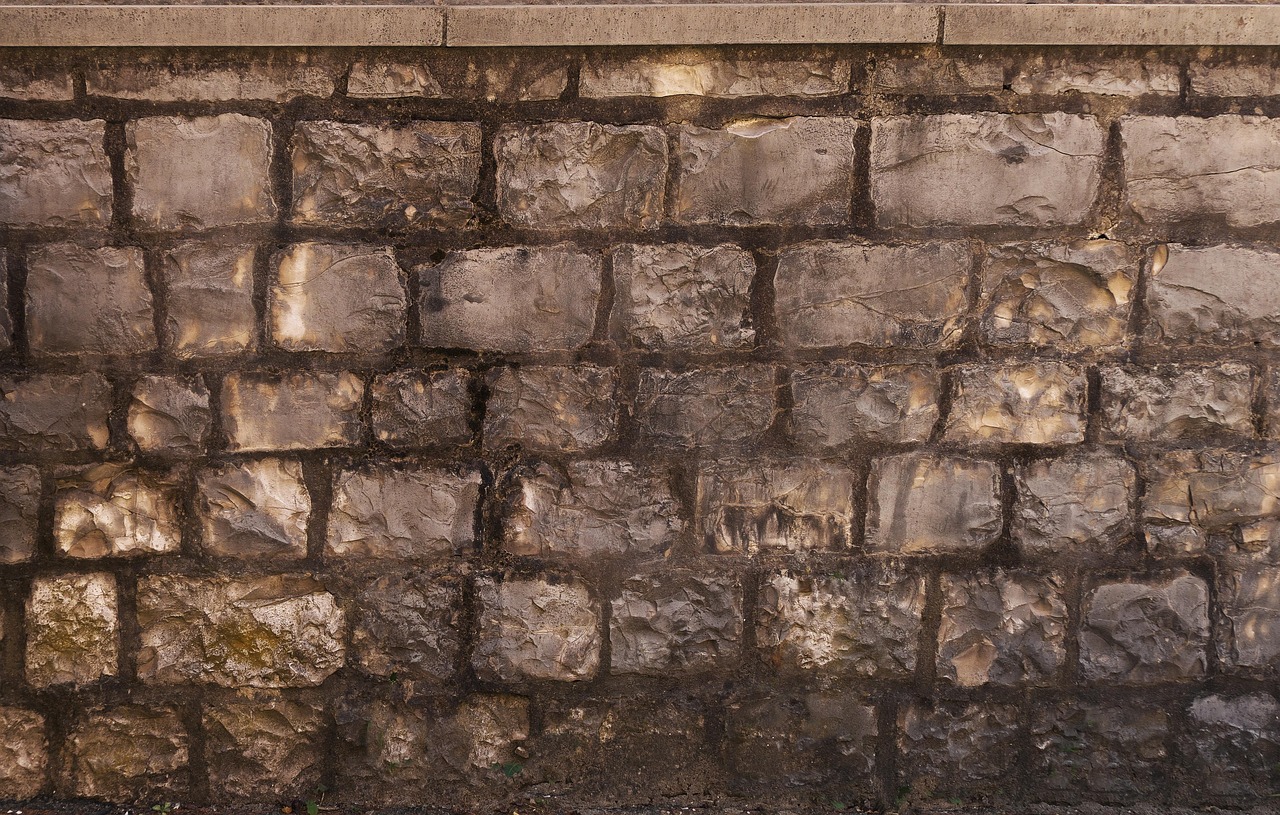
Situated in Morris County’s rolling glacial hills, Parsippany-Troy Hills features varied terrain from Lake Parsippany to Mount Tabor ridges. Many residential yards require terracing for level lawns and stable driveways. Retaining walls are vital landscape structures throughout the township, but face heavy hydrostatic pressure from moisture in hillside soils. Without free-draining stone behind blocks, winter freezing and storm runoff crack block faces and trigger wall failures. Sourcing certified materials through retaining wall drainage stone in Parsippany provides clean aggregate backfill to relieve water pressure permanently.
Installing an engineered retaining wall drainage Parsippany NJ system with clean #57 drainage stone, #67 crushed rock, and filter fabric relieves trapped water behind walls, preventing structural collapse.
Why Parsippany’s Soil and Climate Shape This Project
Parsippany’s geology features glacial tills and dense silt loams of the Riverhead and Bartley series. These soils contain clay and rock flour that drain slowly after rainstorms. Hillside properties also face concentrated subsurface seepage across shallow bedrock shelves.
Morris County receives forty-eight inches of annual rainfall with rapid winter freeze-thaw cycles. Agronomists at the Rutgers New Jersey Agricultural Experiment Station note that water in clay expands nine percent when frozen, exerting severe lateral thrust against blocks. A vertical chimney of washed gravel behind the wall lets groundwater drop into collection pipes before pressure builds.
Best Aggregate Options for Retaining Wall Drainage
Relieving hydrostatic pressure requires washed aggregates with high open void space and stable base gravels:
- #57 stone → Washed 3/4-inch angular crushed stone with zero fines. It provides forty percent void volume for rapid vertical drainage behind wall blocks without compacting or clogging.
- #67 crushed stone → Clean 1/2-inch to 3/4-inch fractured stone chips. It packs smoothly into narrow drainage channels behind segmental masonry units while maintaining outstanding hydraulic flow rates.
- 3/4″ minus base gravel → Dense-graded crushed stone with rock dust. It creates a rock-solid, unyielding leveling pad beneath the first course of retaining wall blocks.
Step-by-Step Retaining Wall Drainage Installation
Methodical trenching, perforated pipe routing, and vertical aggregate backfilling ensure lasting wall stability:
- Excavate footing trench: Dig a trench twenty-four inches wide and twelve to fourteen inches deep to firm subsoil. Property owners stabilizing slopes in nearby Summit follow similar excavation depths.
- Install compacted gravel base: Spread six inches of 3/4-inch minus base gravel in the trench and compact thoroughly.
- Set base course and lay pipe: Lay the first row of blocks level and place a four-inch perforated pipe behind blocks sloping toward daylight outlets.
- Install filter fabric: Drape non-woven geotextile fabric along the excavated soil bank, leaving excess to fold over top stone.
- Backfill with clean #57 stone: Fill twelve inches of #57 stone behind blocks, placing stone in eight-inch lifts as blocks rise.
- Cap with fabric and topsoil: Fold filter fabric over stone to block silt, then cap with six inches of topsoil and plant grass.
How Much Drainage Aggregate Do You Need?
Accurate material ordering prevents project delays and uneven compaction lifts. Clean #57 crushed stone weighs approximately 1.4 tons per cubic yard. For a retaining wall four feet tall and 50 feet long, a twelve-inch-wide drainage zone behind the blocks requires roughly 7.4 cubic yards, or about 10.4 tons of #57 stone. The six-inch base pad beneath the blocks requires an additional 2.5 tons of 3/4-inch minus gravel. Consult our guide to #57 clean gravel for detailed volume calculations.
| Material | Project Depth | Estimated Coverage per Ton / Yard |
|---|---|---|
| #57 clean stone | 12 inches vertical zone | 20 to 25 linear ft of wall per ton |
| #67 crushed stone | 8 to 12 inches vertical | 22 to 28 linear ft of wall per ton |
| 3/4″ minus base gravel | 6 inches base trench | 45 to 55 sq ft per ton |
| Screened topsoil cap | 6 inches top cover | 50 to 65 sq ft per cu yd |
Common Mistakes to Avoid in Parsippany
The main cause of wall failure is backfilling behind blocks with clay or topsoil rather than washed aggregate. Clay holds water like a sponge, multiplying lateral pressure during storms. Installing an engineered retaining wall drainage Parsippany NJ system with washed #57 stone ensures water drains freely before exerting pressure. Another critical error is neglecting to daylight the drainage pipe; water trapped inside a closed pipe has nowhere to escape.
Do not omit geotextile fabric between soil and drainage rock. Fine silt particles from Morris County soils wash into gravel voids and clog flow channels.
Local Sourcing, Permitting, and Delivery in Parsippany
In Parsippany-Troy Hills, retaining walls exceeding four feet in total height (measured from the bottom of the footing to the top of the wall) require sealed structural engineering plans and building permits from the Parsippany Construction Department. Shorter landscape walls under four feet generally do not require permits, provided they do not divert stormwater onto neighboring lots.
When booking aggregate deliveries, partner with reliable Parsippany retaining wall stone suppliers. Mountainous roads and narrow suburban driveways require careful delivery planning. Designate a firm, level dump spot away from overhead wires and avoid staging heavy stone piles directly over septic systems or buried water mains.
Frequently Asked Questions
Why do retaining walls lean or bow outward?
Walls lean when hydrostatic pressure builds up behind them due to poor drainage. Water accumulates in saturated backfill soil and pushes the wall outward during storms and winter freezing.
Is #57 stone better than pea gravel behind a retaining wall?
Yes. Angular #57 stone locks together firmly to provide structural reinforcement while maintaining forty percent void space for rapid drainage, whereas smooth pea gravel can shift under pressure.
How far behind the wall should the drainage gravel extend?
The drainage stone chimney should extend at least twelve inches horizontally behind the back face of the blocks, continuing all the way from the base pipe to within six inches of the top cap.
Where should the perforated retaining wall drain pipe discharge?
The collection pipe should slope at a one percent grade toward an open gravity daylight outlet, a dedicated pop-up emitter, or an approved municipal stormwater drainage swale.
Related Resources
- Washed #57 stone for maximum hydrostatic drainage relief
- Clean #67 crushed rock chips for tight drainage cavities
- Compacted 3/4″ minus base gravel for solid footing pads
- Complete guide to retaining wall drainage engineering
Final Thoughts
A well-built retaining wall transforms challenging slope terrain into functional outdoor living space while protecting your property from soil erosion and mudslides. Installing an engineered retaining wall drainage Parsippany NJ system with clean #57 drainage rock, continuous perforated drain pipe, and non-woven filter fabric guarantees your wall remains upright, plumb, and stable for decades to come. Explore complete New Jersey drainage aggregate delivery options to source certified quarry aggregates across Morris County. Contact Simple Gravel today to calculate your stone quantities and schedule prompt delivery through reputable Parsippany wall drainage delivery specialists.











