




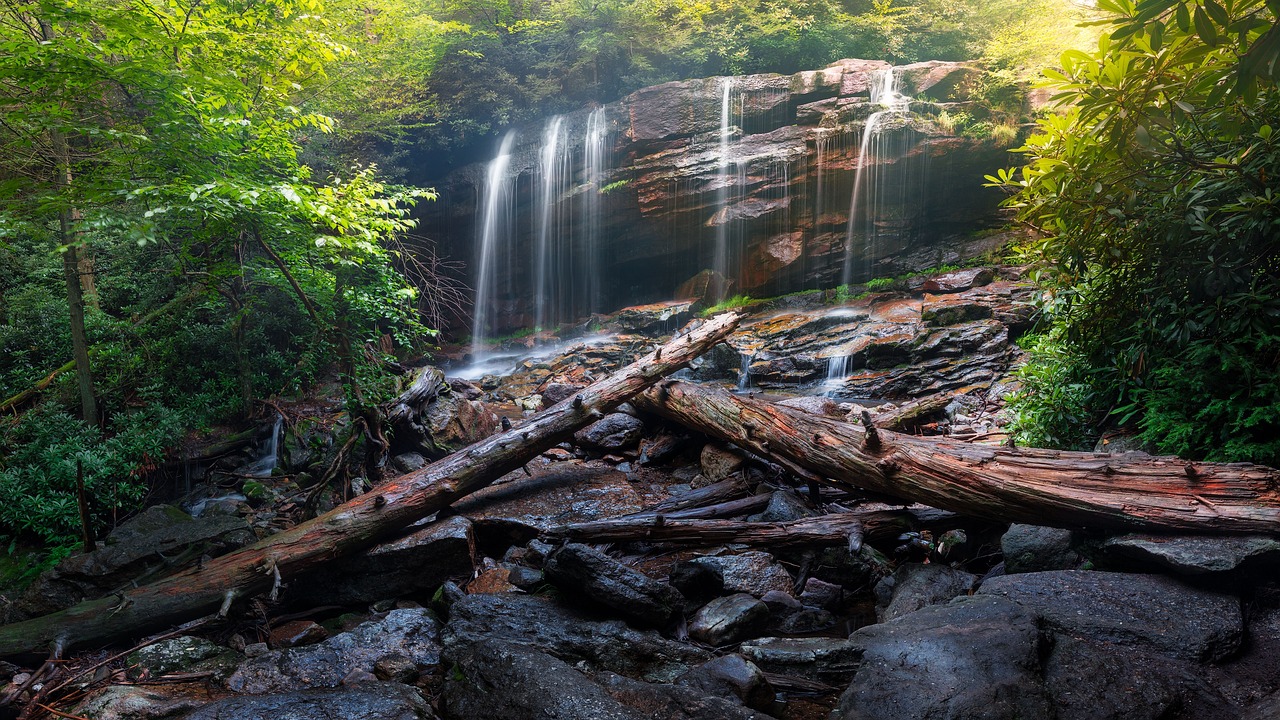
The Project Across New Hampshire
New Hampshire proudly wears its moniker as the Granite State, celebrated for rugged mountain peaks, crystal-clear glacial lakes, and dense hardwood forests. However, property owners attempting to install lush lawns, level backyard patios, or plant flowering gardens quickly encounter the state’s defining geological hallmark: massive granite ledge, glacial erratics, and boulder-strewn ground. Trying to push a shovel or mini-excavator into native New Hampshire soil usually results in jarring metal-on-stone clangs. Sourcing bulk materials through bulk soil and landscape aggregate delivery across New Hampshire provides the essential earth and stone media needed to build beautiful outdoor living spaces over solid ledge.
Rather than investing tens of thousands of dollars in commercial ledge blasting or heavy hydraulic jackhammering, experienced Granite State landscapers build upward. Implementing a structured rocky lot landscaping New Hampshire strategy with bulk fill dirt leveling, terraced screened topsoil beds, and decorative river rock drainage swales transforms rugged stone lots into stunning outdoor retreats.
How New Hampshire’s Soil and Climate Shape This Project
New Hampshire was scoured by glaciers, leaving shallow soils resting directly over granite bedrock. Regional soils feature only six to eighteen inches of stony sandy loam over granite ledge. These shallow soils cannot hold substantial water reserves, causing lawns to burn out during summer dry spells.
Granite ledge is completely impermeable. During snowmelt, water cascades down subterranean rock shelves, creating perched water tables that drown plant roots. Geotechnical specialists at the University of New Hampshire Extension emphasize that landscaping over ledge requires positive surface drainage. Building terraced beds filled with screened topsoil and channeling runoff through river rock swales directs water safely away from structures.
Best Aggregate and Soil Options for Ledge Properties
Transforming rocky granite lots requires combining heavy mineral bulk fill, nutrient-rich planting soil, and protective drainage stone:
- Fill dirt → Heavy, unrefined mineral subsoil free of organic debris. It provides dense, economical bulk mass required to fill deep ledge depressions, level uneven rock crevices, and build raised lawn terraces.
- Screened topsoil → Premium sifted loam enriched with organic compost and free of large stones. It forms the essential four- to six-inch surface planting bed required for healthy turfgrass and garden establishment.
- River rock → Smooth, rounded river gravel in earthy gray, tan, and buff tones. It creates natural dry riverbeds that channel heavy sheet runoff across impermeable granite ledge without eroding soil.
Step-by-Step Landscaping Over Granite Ledge
Grade mapping, terracing, and layered soil placement ensure permanent stability over solid bedrock:
- Map subsurface ledge: Probe soils with rebar to identify high ledge points. Homeowners in Portsmouth follow this mapping method before constructing beds.
- Construct retaining terraces: Build stone retaining walls along natural contours to create level terraces. Coastal builders in Hampton Beach utilize terracing to contain planting soils.
- Fill voids with fill dirt: Deposit clean fill dirt into deep depressions, compacting in four- to six-inch layers. Builders in Tilton Northfield rely on fill dirt to level camp terrain.
- Install river rock swales: Line collection channels with geotextile fabric and backfill with river rock to convey runoff away.
- Cap with screened topsoil: Spread four to six inches of screened topsoil over the leveled fill, grading smooth.
- Seed and establish turf: Apply drought-hardy turf seed, cover with straw mulch, and water consistently.
How Much Fill Dirt and Soil Do You Need?
Accurate material calculations prevent shortfalls when leveling uneven rock hollows. Mineral fill dirt weighs approximately 1.2 to 1.3 tons per cubic yard and compacts by ten to fifteen percent upon rolling. A rocky yard area measuring 30 by 40 feet (1,200 square feet) needing an average six-inch lift requires approximately 22 cubic yards (around 28 tons) of fill dirt, plus 8 to 10 cubic yards of screened topsoil for capping. Consult our guide to fill dirt selection for step-by-step yard calculators.
| Material | Project Depth | Estimated Coverage per Ton / Yard |
|---|---|---|
| Fill dirt (unscreened) | 4 to 12 inches | 27 to 81 sq ft per cu yd |
| Screened topsoil | 4 to 6 inches | 54 to 80 sq ft per cu yd |
| River rock swale | 3 to 4 inches | 75 to 90 sq ft per ton |
| Crushed base gravel | 4 to 6 inches | 50 to 70 sq ft per ton |
Common Mistakes to Avoid Across New Hampshire
The biggest mistake is attempting to plant trees or shrubs directly in shallow pockets over solid granite ledge. Tree roots cannot penetrate solid rock, creating stunted growth and blowing over easily during severe windstorms. Executing a thoughtful rocky lot landscaping New Hampshire plan with raised terraces and deep topsoil beds guarantees healthy root depth. Another frequent mistake is filling rock hollows with uncompacted topsoil alone, which settles unevenly after the first winter.
Do not block natural drainage paths across ledge. Trapped runoff creates stagnant subterranean pools that seep into basements or freeze into ice sheets during winter.
Local Sourcing, Permitting, and Delivery Across New Hampshire
Minor yard leveling, terrace construction under four feet tall, and decorative stone installations on private residential property do not require municipal building permits in New Hampshire. However, retaining walls exceeding four feet in height require building permits and engineered structural drawings.
When booking material delivery, partner with reliable New Hampshire soil and aggregate delivery providers. Wooded driveways and steep rocky lanes require skilled drivers. Confirm delivery access and designate a firm, level drop site on your concrete driveway or gravel apron.
Frequently Asked Questions
Can I grow a lawn over granite ledge in New Hampshire?
Yes. By importing clean fill dirt and capping it with four to six inches of screened topsoil, you can establish a healthy lawn that thrives without hitting bedrock.
What can I do with large glacial boulders in my yard?
Rather than paying to blast boulders, incorporate them into your landscape design as natural focal points, retaining wall accents, or rustic garden borders.
Why does water puddle on my rocky lot long after rain?
Solid granite bedrock is impermeable. When water hits ledge beneath shallow topsoil, it has nowhere to drain, creating persistent subterranean perched water tables.
How thick should topsoil be over compacted fill dirt?
A topsoil layer of four to six inches is recommended over compacted fill dirt to provide adequate organic matter, aeration, and root depth for turfgrass.
Related Resources
- Clean unscreened fill dirt for bulk leveling over ledge
- Premium screened topsoil for lush lawn establishment
- Decorative river rock for ledge runoff swales
- Complete yard grading and fill dirt guide
Final Thoughts
Living on a rocky Granite State parcel does not mean settling for a barren, uninviting yard. Utilizing vertical landscaping methods like terracing, bulk fill dirt grading, and rich screened topsoil capping transforms challenging ledge and boulder terrain into lush, usable outdoor living areas. Sourcing certified rocky lot landscaping New Hampshire materials like unscreened fill dirt, premium topsoil, and rounded river rock guarantees an enduring yard foundation that harmonizes with New England’s rugged landscape. Explore complete bulk soil and landscape aggregate delivery across New Hampshire to locate regional quarries and soil facilities. Contact Simple Gravel today to calculate your material quantities and schedule prompt delivery.
SOURCES_USED:
University of New Hampshire Extension (Gardening on Granite Ledge & Glacial Soils), New Hampshire Geological Survey, USDA NRCS Soil Survey.











