




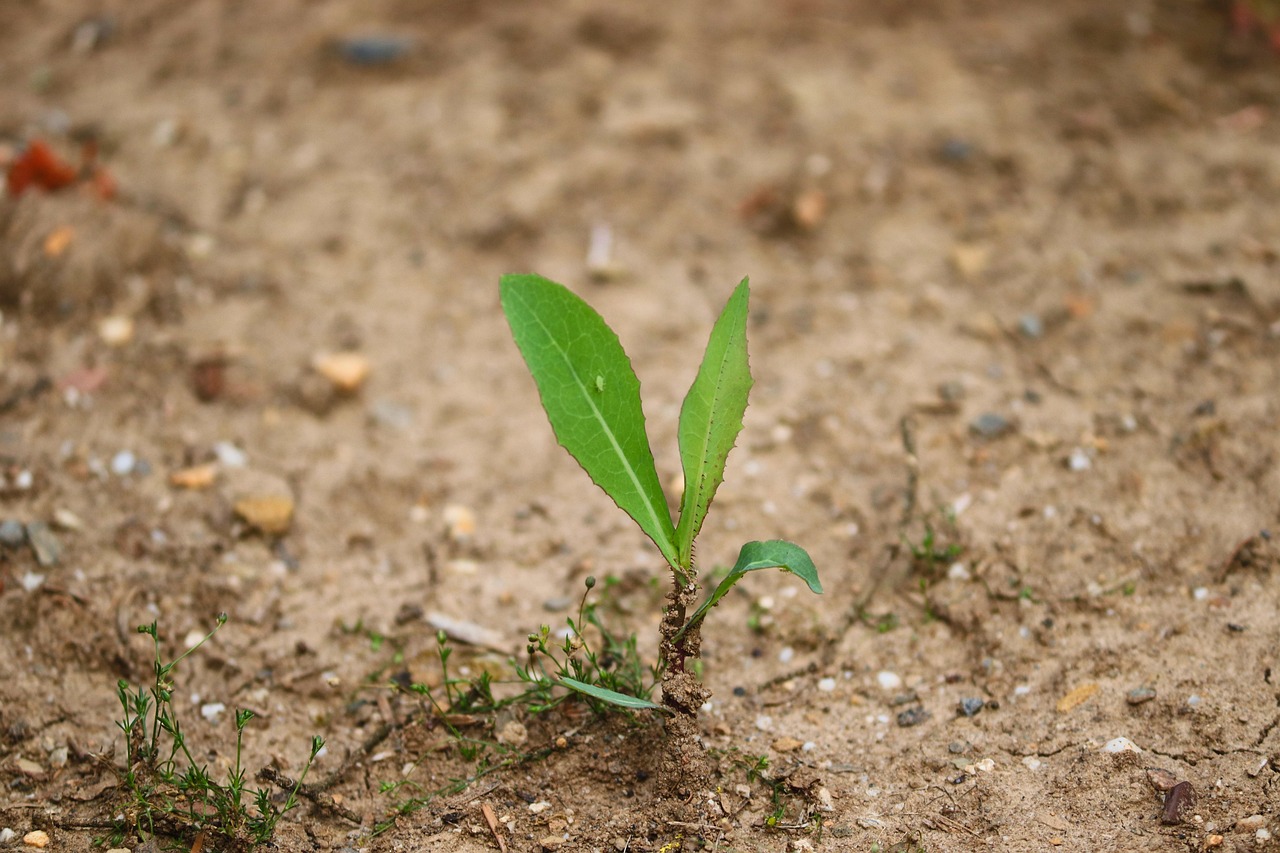
Transforming Drought-Prone Sandy Plots Into Highly Productive Growing Beds
Establishing a vibrant backyard vegetable plot or lush perennial border brings great satisfaction to Michigan homeowners. However, cultivating crops in coarse, fast-draining ground often leads to wilted leaves and poor harvests. Amending a sandy soil garden Adrian MI gardeners manage requires infusing decomposed organic matter and screened loam to boost nutrient capacity and moisture retention. Adrian is the county seat of Lenawee County along the River Raisin, where glacial outwash deposits leave extensive pockets of sandy loam and gravelly subsoils. During hot Midwestern summer weeks, water filters straight through sandy top layers before plant roots absorb moisture. Utilizing our dependable Adrian aggregate delivery service brings rich garden soil, dark compost, and screened loam directly to your planting site.
Rebuilding porous soil structure transforms parched ground into moisture-retaining loam that supports robust root systems and beneficial subterranean biological activity.
Amending Sandy Soil Garden Adrian MI Landscapes Depend On
Sandy ground possesses large mineral particles with expansive pores between them. While this structure prevents waterlogging during spring thaws, it cannot hold dissolved fertilizer ions or irrigation water, causing nutrients to wash deep below root zones.
The solution lies in thoroughly blending dark organic compost soil and screened loam into the top eight to twelve inches of native earth. Organic compost acts like microscopic sponge tissue, absorbing four times its weight in moisture and releasing it slowly to roots. Combining compost with screened topsoil adds critical silt and clay particles that permanently balance soil texture. The Michigan State University Extension recommends applying two to three inches of finished organic matter annually to improve cation exchange capacity and water holding metrics in coarse sandy soils. When upgrading a sandy soil garden Adrian MI growers cultivate, establishing this balanced foundation prevents plant drought stress during midsummer dry spells.
Core strategies for managing sandy residential plots include:
- Organic Matter Infusion: Blend three inches of dark compost into native sand to form enduring humus complexes.
- Screened Loam Additions: Introduce screened topsoil to incorporate fine mineral fractions that retain soil nutrients.
- Raised Bed Construction: Build timber or stone perimeter planters filled with engineered soil mixes to bypass coarse ground entirely.
- Protective Mulching: Spread clean shredded bark over amended beds to shade soil surfaces and prevent evaporation loss.
Recommended Soil Blends and Amending Aggregates
Selecting nutrient-rich bulk amendments ensures healthy seedling development and sustained plant vigour. Review our top materials:
- → Garden soil: Pre-blended rich planting mix featuring balanced proportions of screened loam, aged organic matter, and horticultural sand.
- → Compost soil: Dark fully decomposed organic matter packed with active beneficial microbes, trace nutrients, and water-absorbing humus.
- → Screened topsoil: High-purity pulverized loam free from roots, clumps, and stones, ideal for rebalancing sandy mineral ratios.
Review our detailed compost soil material guide to understand carbon-to-nitrogen ratios, application rates, and biological soil enrichment principles.
Soil Amendment and Growing Medium Comparison
Evaluate these soil amendment options to create the ideal growing mix for your Lenawee County property:
| Material Type | Primary Function | Performance Characteristics |
|---|---|---|
| Compost Soil | Humus restoration and microbial inoculation | Maximum moisture retention, high cation exchange, slow nutrient release |
| Garden Soil Blend | Complete raised bed and planter filling | Ready-to-plant balance, excellent porosity, supports root anchoring |
| Screened Topsoil | Mineral texture correction and subgrade leveling | Adds fine silt and clay particles, improves native structural cohesion |
| Bark Mulch | Surface evaporation and temperature control | Conserves bed moisture, decomposes slowly, moderates soil heat |
Step-by-Step Soil Renovation Process
Follow these field-proven steps to convert porous sandy ground into a fruitful garden bed:
- Delineate and Clear Bed Area: Mark the boundary of your garden plot, stripping off existing sod, deep-rooted weeds, and gravel debris.
- Loosen the Native Subsoil: Till or broadfork native sandy soil down ten to twelve inches to eliminate compaction pans beneath the planting zone.
- Distribute Organic Amendments: Spread three inches of compost soil and two inches of screened topsoil evenly across the loosened bed.
- Thoroughly Incorporate: Till or spade amendments into the native sand until the top ten inches exhibits uniform dark color and crumbly tilth.
- Crown and Settle Beds: Rake the amended soil into gently sloping beds and water deeply to settle air pockets before sowing seeds or transplanting seedlings.
Managing Soil Moisture and Frost Cycles in Adrian
Southeastern Michigan experiences freezing winter winds and dry continental summer conditions. Coarse soils dry out rapidly under clear skies, requiring attentive watering practices. Homeowners can easily schedule aggregate delivery in Adrian to receive bulk compost, garden loam, and landscape stone directly on site. Gardeners in Monroe, MI and neighboring agricultural communities apply similar compost enrichment methods to maintain thriving vegetable plots throughout the growing season.
Calculating Soil Volume and Delivery Tonnage
Accurate area measurements ensure you order sufficient bulk materials for your garden renovation project:
Measure the length and width of your garden beds in feet. For example, a home garden measuring 30 feet long by 10 feet wide covers 300 square feet. To apply a 4-inch amendment layer (0.33 feet) across this area, calculate the required cubic feet:
300 x 0.33 = 99 cubic feet
Convert cubic feet to cubic yards by dividing by 27:
99 / 27 = 3.67 cubic yards
Garden soil and rich compost weigh approximately 1.1 to 1.2 tons per cubic yard depending on moisture content:
3.67 x 1.15 = 4.22 tons of soil blend
Ordering 4.5 tons guarantees full coverage across bed margins and allows for settling after the first thorough soaking.
Frequently Asked Questions
Why does water disappear so quickly in sandy soil?
Sand particles are coarse and lack electrical surface charges to attract water droplets, allowing gravity to pull irrigation straight down past roots.
Can I add clay directly to my sandy garden soil?
Adding raw un-pulverized clay is difficult because it forms hard clods. It is far more effective to add compost and screened loam to improve water retention.
How often should I add compost to sandy beds?
Apply a top-dressing of one to two inches of finished compost every spring or autumn, as warm sandy soils metabolize organic matter quickly.
Do raised garden beds solve sandy soil problems?
Yes, constructing raised beds allows you to fill growing zones with premium garden soil and compost, completely bypassing poor native subsoil.
Order Your Adrian Garden Soil and Compost Today
Give your flowers and vegetables the nutrient-rich foundation they require for abundant growth. We deliver premium garden soil blends, compost, and screened topsoil directly to residential driveways and commercial sites. Contact our team to book your next Adrian bulk gravel delivery today.











