
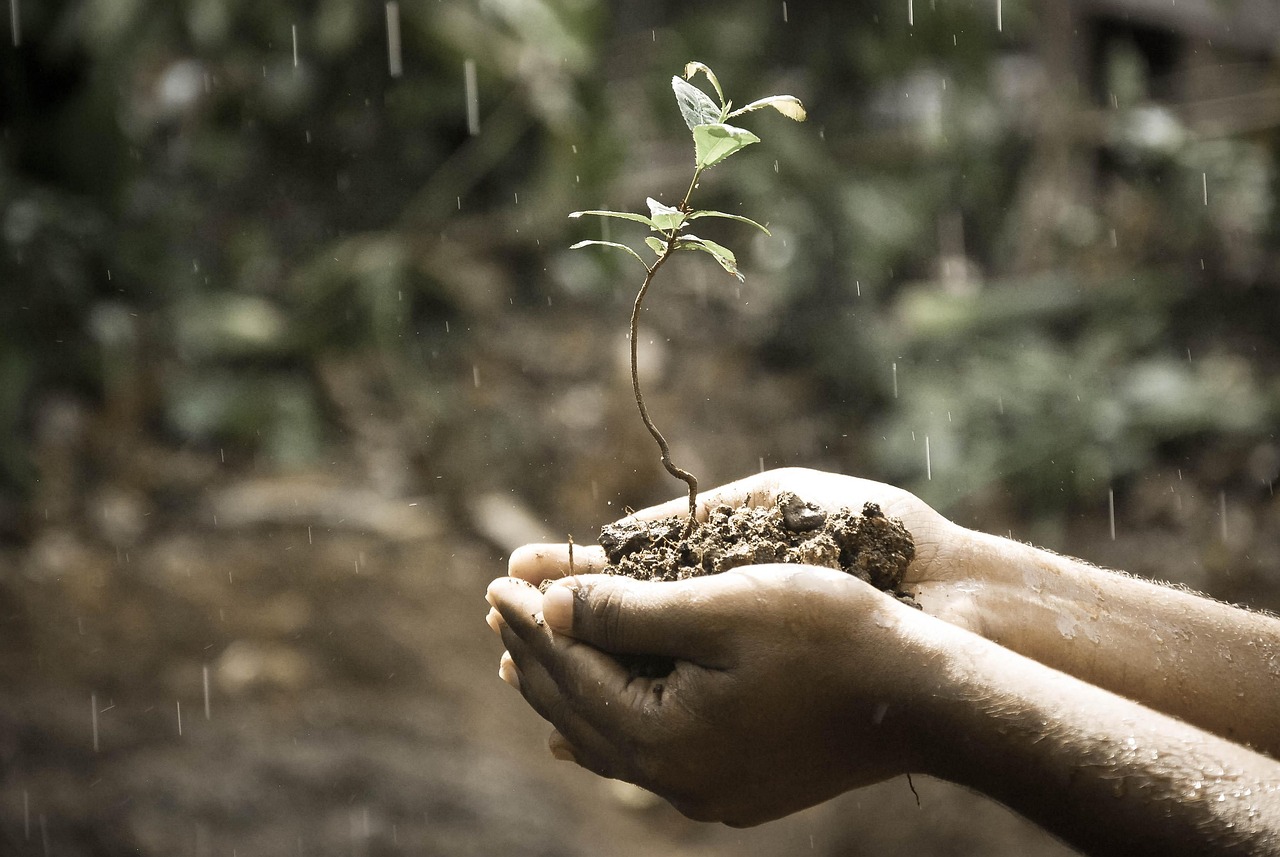
Attempting to cultivate lush vegetable patches, vibrant perennial beds, or fruitful citrus trees in native coastal dirt often results in stunted plant growth, yellowing foliage, and rapid moisture depletion. Amending barren ground into a productive sandy soil garden Palmetto FL growers take pride in requires incorporating rich organic amendments and screened topsoil that lock in moisture across Manatee County parcels.
Located on the north shore of the Manatee River opposite Bradenton, Palmetto features excessively drained, sugar-sand subsoils classified within coastal scrub soil series. When daily rainfall or sprinkler irrigation strikes native ground, gravitational water drains away almost instantly, leaching soluble nitrogen, potassium, and micronutrients deep below shallow root zones. Chemical fertilizers applied to unamended sand wash out before plants can absorb them, wasting money and contributing to local waterway runoff. Building raised planting berms or amending planting beds with dark compost soil and screened loam creates a sponge-like soil structure that retains irrigation water and nurtures beneficial mycorrhizal fungi. Ordering bulk amendments through our Palmetto aggregate delivery service delivers rich growing media directly to your property.
Soil Chemistry and Biology in a Sandy Soil Garden Palmetto FL Yards Cultivate
Native Florida sands possess virtually zero cation exchange capacity (CEC), meaning mineral sand particles cannot bind positively charged nutrient ions like calcium, magnesium, or ammonium.
Horticultural soil guidelines from the University of Florida IFAS Extension show that adding well-rotted organic matter boosts soil CEC from below three milliequivalents up to thirty or higher, creating biological reservoirs for essential plant nutrients. Developing a successful sandy soil garden Palmetto FL gardeners treasure depends on blending twenty to thirty percent high-grade compost soil and screened topsoil into the root zone to hold vital hydration through hot afternoons.
The Three Primary Organic Tiers for Soil Rehabilitation
Transforming impoverished sand into fertile garden loam involves three complementary bulk amendments:
- Biologically Active Compost Soil: Thermally conditioned organic compost teeming with beneficial bacteria, humic acids, and stable carbon reserves.
- Screened Nutrient-Dense Topsoil: Native mineral loam sifted to remove coarse roots, shell fragments, and rocks to establish deep soil depth.
- Pre-Mixed Garden Soil Blend: A balanced ratio of compost, aged bark fines, and mineral soil engineered for immediate planting in raised garden beds.
- Protective Surface Mulch Barrier: An organic wood chip or straw top-layer shielding soil microbes from intense tropical sun radiation.
Comparing Bulk Soil Amendments for Florida Gardens
Selecting appropriate bulk soil products ensures your planting beds retain water without suffocating sensitive roots:
| Soil Amendment | Nutrient Profile & Texture | Garden Application |
|---|---|---|
| Compost Soil | Rich organic humus; high microbial biodiversity | Primary soil conditioner; amends native sand and activates biological life |
| Garden Soil Blend | Balanced mix of topsoil, compost, and coarse sand | Ready-to-plant blend for raised planter beds and vegetable gardens |
| Screened Topsoil | Sifted mineral loam; uniform fine texture | Base grading, filling deep garden excavations, and lawn leveling |
| Raw Native Sand | Porous silica grains; zero water retention | Subgrade base only; drains too quickly for vegetable cultivation |
Step-by-Step Preparation of Rich Garden Beds
Rehabilitating backyard soil requires methodical cultivation before planting seeds or seedlings:
- Clear Weeds and Turf: Scrape away invasive Bermuda grass, weeds, and surface roots across the planting area to a depth of four inches.
- Loosen Compacted Subsoil: Broadfork or till native subsoil eight to ten inches deep to shatter any hardpan layers and improve aeration.
- Layer Compost and Topsoil: Spread three to four inches of compost soil and three inches of screened topsoil across the prepared bed.
- Till and Incorporate: Mix the organic amendments thoroughly into the top six to eight inches of native sand until a dark, crumbly loam structure forms.
- Water and Settle: Soak the amended bed thoroughly with a sprinkler to hydrate organic particles and let the soil rest for two days before planting.
Gardeners in northern Florida coastal regions like Atlantic Beach utilize this exact soil-building technique to maintain productive vegetable plots in seaside sands.
Certified Bulk Growing Media Delivered Locally
We source clean, weed-screened soils and natural soil conditioners ready for residential gardens:
- Garden soil → Premium nutrient-balanced planting blend designed for raised vegetable beds, ornamental borders, and container boxes.
- Compost soil → Dark, organically mature compost that adds water-holding humus and beneficial microbes to sandy soils.
- Screened topsoil → Finely sifted mineral loam ideal for leveling low yard spots, backfilling trenches, and deep garden beds.
Discover organic ratios, seasonal soil testing advice, and watering tips in our detailed guide to compost soil before planning your backyard garden.
Calculating Garden Soil and Compost Tonnage
Accurate volume estimates ensure adequate depth for thriving root systems across all garden rows:
Cubic Yards Formula: Length (ft) × Width (ft) × Depth (ft) ÷ 27 = Cubic Yards
Tonnage Formula: Cubic Yards × Density Factor = Tons Required (1.10 for Garden Soil and Compost, 1.25 for Screened Topsoil)
For example, amending a series of backyard raised garden beds totaling 40 feet in combined length by 6 feet in width (240 square feet) to an amended depth of 8 inches (0.667 feet):
Bed Volume: 240 sq ft × 0.667 ft = 160.08 cubic feet ÷ 27 = 5.93 cubic yards.
Compost Portion (50%): 2.97 cubic yards × 1.10 = 3.27 tons of compost soil.
Topsoil Portion (50%): 2.97 cubic yards × 1.25 = 3.71 tons of screened topsoil.
Ordering 3.5 tons of compost and 4 tons of screened topsoil provides full planting coverage with extra material for top-dressing around tomato plants. Transforming a tricky sandy soil garden Palmetto FL property into a bountiful landscape pays dividends in fresh harvests and colorful blooms. Connect with our dispatch office to book your bulk garden soil delivery in Palmetto today.
Frequently Asked Questions About Florida Garden Soils
How often should compost be added to sandy Florida garden beds?
Because warm, humid Florida conditions accelerate microbial breakdown of organic matter, top-dress garden beds with one to two inches of fresh compost every spring and autumn planting season.
Can I grow vegetables in native Palmetto sand using liquid fertilizer alone?
While possible in hydroponics, growing in untreated sandy soil with liquid fertilizer causes rapid nutrient leaching, salt buildup, and high water demand without yielding healthy vegetables.
What is the difference between topsoil and compost?
Topsoil consists primarily of natural mineral silt, sand, and clay particles, providing bulk and structure. Compost consists entirely of decomposed plant and organic matter that supplies humic acids, nutrients, and moisture retention.
Should raised beds have an open bottom over native sand?
Yes. Leaving raised beds open to the underlying ground allows taproots to penetrate deep into subsoil while allowing heavy summer storm water to drain away freely.
Schedule Bulk Soil Delivery in Palmetto, FL
Give your flowers, shrubs, and home vegetable garden the organic nutrients they crave with bulk soils delivered right to your gate. Serving residential growers from Snead Island and Terra Ceia to neighborhoods along 10th Street West, our drivers deliver clean materials promptly. Call our Palmetto soil supply desk today to finalize order quantities and secure your delivery window.











