
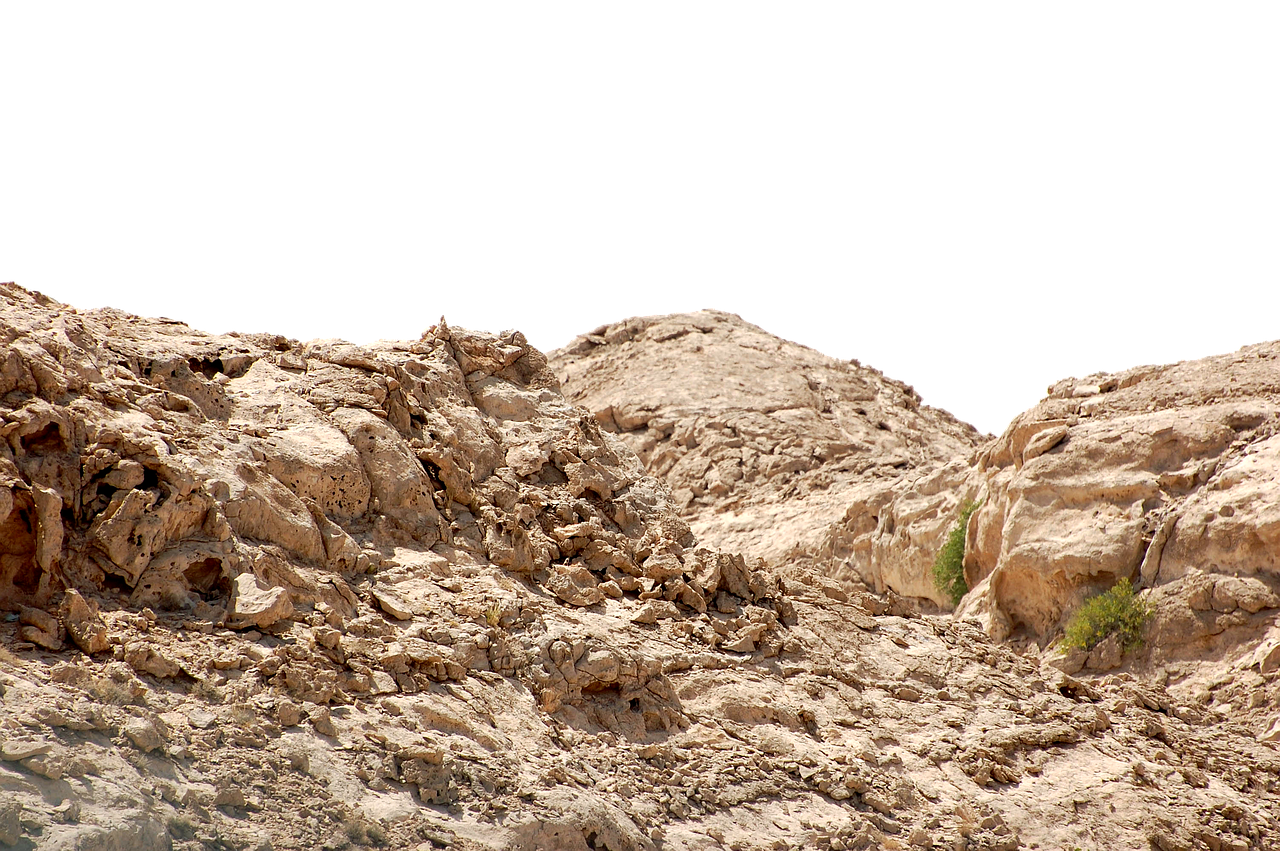
Perched along the towering bluffs and winding ravines of the Illinois River valley, East Peoria properties feature dramatic hillside topography and scenic wooded views. From residential bluffs bordering Washington Road to steep hillside lots off Farmdale Road, managing storm runoff presents severe property maintenance challenges. Torrential summer thunderstorms and rapid spring snowmelt send thousands of gallons of rainwater cascading down unprotected embankments. When water cuts into hillside soil, it quickly carves jagged gullies, strips valuable topsoil, and undermines driveway retaining structures. Installing heavy slope erosion rock East Peoria IL geotechnical contractors recommend stabilizes steep terrain, shields vulnerable earth, and creates armored swales that slow runoff velocity. Homeowners can browse heavy riprap stones on our East Peoria gravel delivery page to choose angular rock for hillside stabilization.
Stabilizing active erosion ravines requires armoring slopes with interlocking angular aggregate over heavy geotextile underlayment. Laying high-density fractured stone dissipates runoff energy and halts topsoil washouts before property foundations suffer structural damage.
To inspect regional bluff geology, loess bluff stability, and erosion control standards across Tazewell County, check:
East Peoria Geography and Bluffs (Wikipedia)
Why Bluff Loess Demands Slope Erosion Rock in East Peoria
East Peoria’s dramatic hillsides consist of thick windblown loess deposits overlying glacial till and shale formations. Native Peoria loess consists of fine silt particles that hold vertical faces when dry but liquefy into slurry when saturated by heavy rainfall. When surface stormwater flows unchecked down bluff slopes, it easily carves deep headcut ravines that swallow tree roots and destabilize hillside yards. Furthermore, Tazewell County winters bring frost penetration down to thirty-six inches, loosening hillside soil during spring thaws and accelerating mud slips.
Simply planting grass seed on steep, eroding slopes rarely succeeds because swift runoff washes away seed and mulch before roots can establish. Lasting slope erosion rock East Peoria IL homeowners depend on involves benching hillside gullies, laying non-woven geotextile fabric, and layering heavy fractured rock that locks into place against rushing water.
- Heavy gully check dam stone → 1 1/2″ clean rock
- High-velocity riprap slope armor → #4 crushed stone
- Decorative bank stabilizing accents → river rock
- Subsurface filter transition gravel → #57 stone
Browse slope erosion rock available in East Peoria
Best Materials for Hillside Slope Protection in East Peoria
Combining heavy riprap with angular clean aggregates creates an armored drainage channel that stays anchored on steep bluff grades.
| Erosion Control Zone | Recommended Aggregate | Why It Works |
|---|---|---|
| High-Velocity Ravine Beds | #4 Crushed Stone (2″ to 3″ Clean) | Heavy angular mass resists movement from surging runoff in steep gully channels. |
| Side Slope Armoring | 1 1/2″ Clean Rock | Fractured facets interlock on sloped banks, creating a porous blanket that slows water velocity. |
| Decorative Landscape Outfalls | River Rock (2″ to 5″ Rounded) | Smooth natural boulders blend into woodland landscaping while cushioning downspout splash zones. |
| Geotextile Filter Bedding | #57 Clean Stone | Prevents fine bluff silt from washing through the voids of coarse #4 riprap armor. |
Clearing Ravines and Installing Geotextile Underlayment
Begin slope repair by reshaping active gullies into broad, parabolic swales with gradual three-to-one side slopes. Remove fallen branches, loose debris, and unstable silt pockets down to firm ground. Grade the swale centerline so water discharges safely into municipal storm drains or designated natural hollows. Similar hillside armoring techniques protect residential properties in Pekin, where Illinois River bluffs demand aggressive slope stabilization.
Line the entire excavated channel with heavy non-woven geotextile filter fabric, trenching the top edge twelve inches into the ground at the crest of the hill. Anchor the fabric with steel landscape staples spaced every two feet. Geotextile fabric acts as a permanent barrier that stops water from washing out native loess while allowing subsurface groundwater to seep harmlessly into rock layers.
Placing Riprap and Constructing Rock Check Dams
Spread a three-inch bedding layer of #57 stone or 1 1/2-inch clean rock over the geotextile fabric. Over this base, place heavy #4 crushed stone to a depth of six to eight inches, stacking the angular fragments tightly by hand or machine bucket. Read our comprehensive 1 1/2″ clean rock guide to understand how washed angular aggregates cushion high-flow drainage channels.
Across steep ravines, construct rock check dams every twenty to thirty feet. Build these miniature stone dams eighteen inches high, dishing the center four inches lower than the sides so storm surges remain centered in the armored channel. Armoring gullies with slope erosion rock East Peoria IL properties require prevents bluff slumping and protects downstream yards.
Benefits of Local Delivery for East Peoria Hillside Builds
- Heavy dump trucks navigate winding bluff lanes along Farmdale Road, staging stone close to steep work zones.
- Bulk delivery provides heavy riprap tonnages without multiple strenuous trailer trips over river bridges.
- Quarry-direct crushed limestone guarantees clean, fractured aggregate free of organic contamination.
- Scheduled deliveries allow earthmoving contractors and skid-steer operators to place stone without delay.
How Much Aggregate Will You Need for Your Slope Project?
Calculating the volume of slope erosion rock East Peoria IL projects require follows standard cubic yard geometry. Multiply swale or slope length in feet by average width in feet, multiply by stone depth in inches, and divide by 324 to establish cubic yards. Crushed limestone riprap weighs roughly 1.4 tons per cubic yard.
For example, suppose you are armoring an eroded hillside drainage swale measuring 75 feet in length and 8 feet in width (600 square feet) with an 8-inch layer of #4 crushed stone. Multiply 600 by 8 inches to get 4,800, and divide by 324 to calculate 14.81 cubic yards. Multiplying 14.81 by 1.4 tons indicates you will need approximately 20.7 tons of heavy riprap stone.
Frequently Asked Questions
Why is angular crushed stone better than rounded river rock on steep slopes?
Angular stone fragments interlock mechanically under gravity and friction, whereas smooth river rocks roll easily down steep bluff inclines.
Do I need an engineering permit to rock a steep slope in East Peoria?
Minor landscape armoring usually does not require permits, but major bluff grading altering natural drainage paths may require municipal review.
Can grass grow through rock-lined slope channels?
Over time, fine sediment will settle into stone voids, allowing hardy native grasses to take root and further bind the rock matrix to the hillside.
How do rock check dams slow down rainwater runoff?
Check dams create stepped pools that absorb torrential water velocity, dropping energy and allowing sediment to settle safely behind the stone.
Final Thoughts
Protecting hillside property in East Peoria requires addressing water energy with durable, heavy aggregate solutions. By reshaping eroded gullies, anchoring high-strength geotextile filter fabric, and armoring watercourses with interlocking #4 crushed rock and 1 1/2-inch stone, you stop erosion in its tracks and protect your home’s structural landscape. Find your Illinois delivery area here to order bulk slope stabilization rock delivered directly to your job site.











