
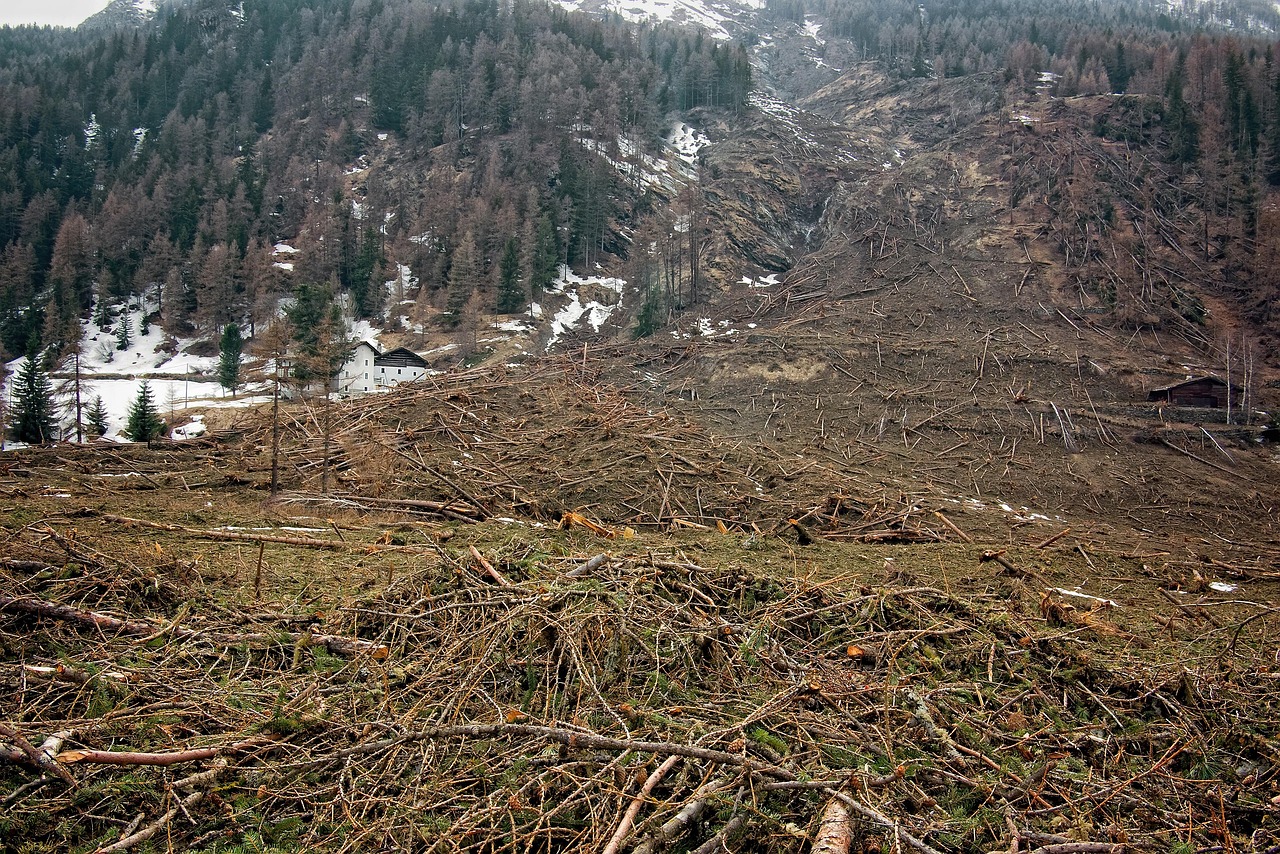
Stabilizing steep bluffs, terraced backyard slopes, and hillside construction cuts overlooking the Hudson River and Meadowlands requires heavy aggregate armor that resists severe water velocity. In Union City, properties situated along the dramatic Palisades ridge, near Kennedy Boulevard, Bergenline Avenue, the Monastery district, and roads leading down the Palisade cliffs toward Hoboken manage basalt diabase trap rock bedrock overlain by shallow glacial till and urban fill. Torrential rainfall cascading down the steep ridge quickly carves erosion channels, washes out topsoil, and destabilizes residential retaining walls and foundation beds. Installing heavy, angular slope erosion rock Union City NJ geotechnical engineers approve halts soil displacement, slows high-velocity stormwater runoff, and locks vulnerable bluffs in place. Large fractured stone binds tightly on steep inclines, providing unyielding slope protection that stands firm against severe nor’easters. You can check local erosion control aggregates on our Union City gravel delivery page to choose coarse clean rock and heavy stone ballast for your property.
A properly installed rock riprap armor system dissipates storm runoff velocity, stops hillside washouts, and protects foundation footings against structural soil sliding.
To inspect regional terrain, Palisades ridge geology, and Hudson County slope stability guidelines, check:
Union City, New Jersey Palisades Ridge and Geography (Wikipedia)
Why Palisades Ridge Slopes Demand Slope Erosion Rock Union City NJ
The steep bluffs of Union City drop abruptly over one hundred feet toward sea level, creating extreme hydraulic runoff conditions during heavy downpours. Water flowing over bare dirt or light mulch gains velocity rapidly, carrying away topsoil and gouging deep gullies into unstable fill. Unprotected slopes quickly risk mudslides and foundation undermining. Choosing to install certified slope erosion rock Union City NJ contractors install neutralizes this destructive gravitational flow.
Heavy angular aggregates, such as 1 1/2-inch clean rock and #4 crushed stone ballast, provide massive physical weight and sharp interlocking facets. Unlike rounded river gravel that rolls downhill under water pressure, fractured rock pieces lock together into an immovable armor blanket. Water filters smoothly through the porous stone void network, bleeding off kinetic velocity without carrying away underlying soil.
- Heavy interlocking erosion control rock → 1 1/2″ clean rock
- Heavy coarse stone ballast for steep channels → #4 crushed stone
- Decorative drainage swale cobbles → River rock
- Compacted foundation base aggregate → 3/4″ minus base gravel
Browse erosion control stone available in Union City
Recommended Aggregate Horizons for Hillside Armor
Combining heavy riprap rock with commercial geotextile underlayment creates a permanent erosion barrier that withstands intense storm runoff.
| Erosion Armor Horizon | Recommended Aggregate | Geotechnical Function |
|---|---|---|
| Upper Armored Surface (6″ to 8″) | #4 Crushed Stone (1 1/2″ to 2 1/2″) | Large angular fractured rock dissipates runoff velocity and prevents soil scouring on steep bluffs. |
| Intermediate Erosion Rock (4″ to 6″) | 1 1/2″ Clean Rock | High-void angular aggregate filters stormwater while holding steep embankment faces stable. |
| Decorative Drainage Run Channels | River Rock (2″ to 4″) | Smooth rounded stones used in dedicated swale bottoms to create naturalistic dry creek beds. |
| Toe Trench Anchor Bedding | 3/4″ Minus Base Gravel | Dense compacted stone locks the bottom retaining toe in place to prevent downhill aggregate slippage. |
Slope Grading and Anchor Trench Preparation
Before placing stone, clear the slope of dying weeds, unstable loose dirt, and debris. Grade the embankment to a stable angle of repose, ideally no steeper than a two-to-one slope (two feet horizontal for every one foot vertical). Excavate a keyway anchor trench at the bottom toe of the slope, twelve inches deep and eighteen inches wide. Contractors stabilizing hillside properties in neighboring West New York use these exact toe trench details to prevent stone blankets from sliding down the Palisades cliffs.
Line the graded slope and anchor trench with heavy-duty non-woven geotextile filter fabric. Secure the fabric with galvanized steel anchor pins driven every three feet. The filter fabric prevents water from scouring fine subsoil out from beneath the stone while allowing subsurface groundwater to bleed through freely.
Placing and Interlocking the Riprap Armor Blanket
Begin placing heavy stone from the bottom toe trench and work upward toward the crest of the slope. Fill the toe trench with heavy #4 crushed stone to create an immovable anchor footing. Spread 1 1/2-inch clean rock or #4 ballast across the slope in a continuous six- to eight-inch layer. Review our comprehensive 1 1/2-inch clean rock guide for hydraulic void ratios and shear stress ratings.
Hand-reposition larger stones to ensure individual rocks interlock tightly, forming a continuous cobblestone-like blanket without gaps. Extend the rock armor twelve inches beyond the crest of the slope to prevent surface runoff from cutting underneath the upper edge of the fabric.
Benefits of Bulk Aggregate Delivery in Union City
- Direct dump truck delivery places tons of heavy riprap rock directly at your hillside staging point.
- Avoids the exhausting labor and excessive expense of moving bagged stone up steep urban inclines.
- Quarry-direct crushed basalt guarantees maximum hardness and angular interlocking capability.
- Experienced drivers maneuver congested Hudson County avenues and steep approach routes safely.
Calculating Aggregate Quantities for Slope Armor
Accurate material calculation prevents project shortages when installing slope erosion rock Union City NJ systems. Multiply slope length in feet by width in feet, multiply by rock layer depth in inches, and divide by 324 to determine total cubic yards. Heavy 1 1/2-inch clean rock and #4 ballast weigh approximately 1.4 tons per cubic yard.
For example, if you are armoring an embankment measuring 20 feet along the slope face by 30 feet wide (600 square feet) with an 8-inch stone depth, multiply 600 by 8 to reach 4,800. Divide 4,800 by 324 to find 14.81 cubic yards. Multiplying 14.81 cubic yards by 1.4 tons indicates that you will need approximately 20.7 tons of bulk heavy erosion rock.
Frequently Asked Questions
Why does round gravel fail on steep slopes?
Round gravel lacks angular interlocking facets; under the pressure of fast water and gravity, round stones roll downhill and wash away immediately.
Do I need geotextile fabric under erosion rock?
Yes, geotextile fabric prevents high-velocity runoff from scouring fine dirt from beneath the rock, which would cause the entire rock layer to collapse.
What is a keyway toe trench on a slope?
A keyway toe trench is an excavation at the bottom of the hill that anchors the rock blanket, preventing the weight of the upper stone from sliding downhill.
Can water still drain through an armored rock slope?
Yes, clean angular rock features forty percent void space, allowing stormwater and subsurface groundwater to drain freely without generating destructive pressure.
Final Thoughts
Armoring steep hillside properties with heavy crushed rock provides permanent protection against erosion and mudslides in Union City. By anchoring heavy geotextile fabric and interlocking 1 1/2-inch clean rock or #4 ballast across steep Palisades bluffs, you secure your land and protect valuable foundation structures. Find your New Jersey delivery area here to schedule bulk delivery of heavy erosion control rock straight to your property.











