




The Project in Issaquah
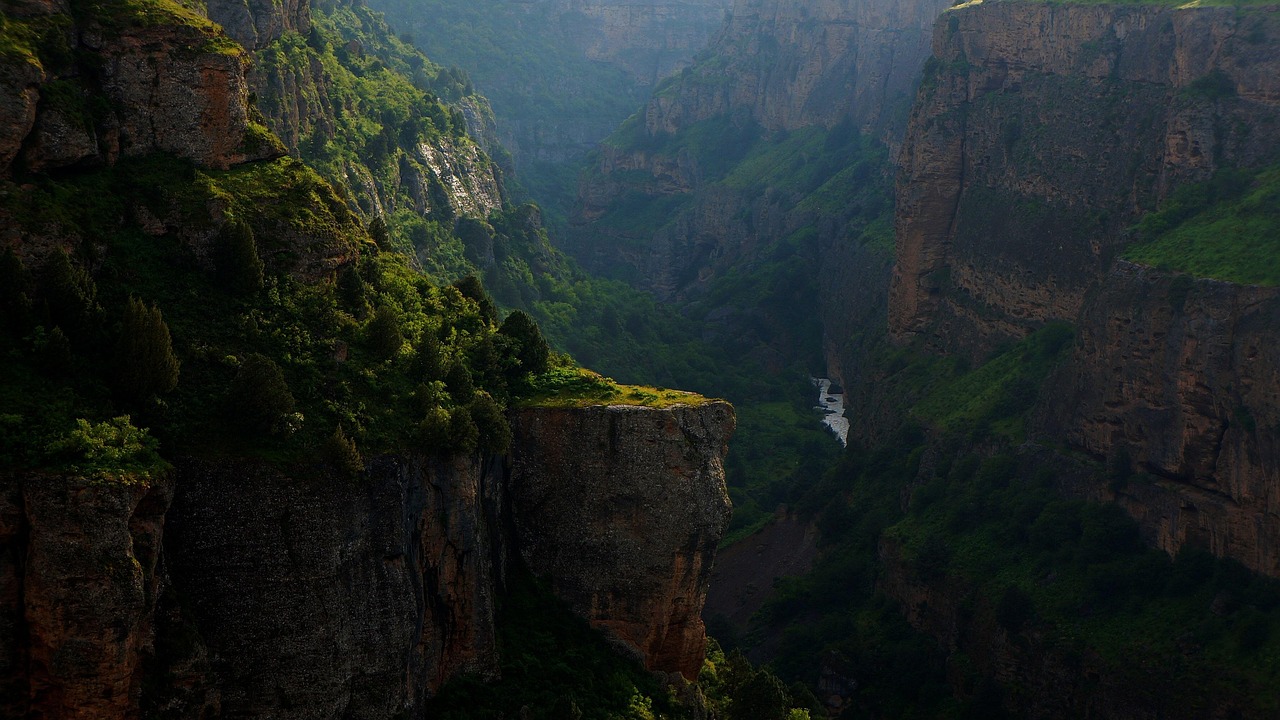
Situated along the southern shores of Lake Sammamish against the forested slopes of the Issaquah Alps, Issaquah is celebrated for rugged Pacific Northwest topography. Homeowners frequently develop properties on steep wooded hillsides surrounded by towering evergreens. While these mountain parcels offer natural tranquility, managing hillside water is a constant challenge. Winter maritime storm fronts deliver over fifty-five inches of annual rain, causing rapid surface runoff that scours hillside soil and threatens building foundations. Sourcing durable quarry rock through reliable Issaquah gravel delivery provides coarse drainage aggregates and compact walkway stone needed to tame steep grades and direct stormwater safely down the slope.
Implementing an engineered steep lot drainage Issaquah WA plan with washed 1 1/2-inch clean rock, compacting walkway gravel, and washed #57 stone stabilizes mountain slopes, protects native tree roots, and prevents hillside erosion.
Why Issaquah’s Soil and Climate Shape This Project
Issaquah’s geology is defined by the Puget Sound glacial lobe, which left thick deposits of Vashon lodgement till across local hillsides. The dominant soil series, Alderwood and Everett gravelly sandy loams, feature porous forest soil over an impermeable layer of glacial hardpan twelve to thirty inches below grade. During heavy winter rains, water percolates through topsoil, hits the hardpan, and cannot penetrate downward, creating a perched water table that triggers slope slippage.
Western Washington experiences prolonged wet seasons punctuated by atmospheric rivers. Soil scientists at Washington State University Extension emphasize that controlling runoff velocity and preventing subsurface saturation are critical to stabilizing steep slopes. Unmanaged water cascading down a hillside forms deep erosion gullies within hours. Installing rock-armored swales lined with 1 1/2-inch clean stone slows surface runoff, while subsurface French drains backfilled with #57 stone intercept groundwater before it destabilizes steep banks.
Best Gravel and Stone Options for Steep Wooded Lots
Selecting clean, fractured aggregates ensures proper water flow and stable footing on sloping ground:
- 1 1/2-inch clean rock → Washed, angular crushed granite or basalt free of fine particles. It provides high void space to slow rushing runoff in hillside swales and stabilize steep culvert outfalls.
- Walkway gravel → Crushed 3/8-inch angular stone with fractured facets. It interlocks firmly to form stable, slip-resistant walking paths that traverse steep grades without washing out.
- #57 stone → Washed 3/4-inch clean crushed rock. It serves as an unyielding filter and drainage aggregate inside hillside French drains and retaining wall backfills.
Step-by-Step Steep Lot Drainage and Path Construction
Follow these construction stages to control stormwater and build stable paths across steep wooded lots:
- Map slope topography: Identify primary runoff corridors and groundwater seepage zones along hillside contours.
- Install uphill interceptor drain: Excavate a trench two feet deep across the top slope, line with fabric, and backfill with #57 stone. Builders in Sammamish use interceptor drains for slope protection.
- Armor surface swales: Shape a shallow swale to handle overflow, line with geotextile, and bed with 1 1/2-inch clean rock to slow runoff.
- Excavate stepped walkway benches: Carve walking paths along slope contours with switchbacks, cutting level benches into native slopes.
- Install timber steps and walkway gravel: Secure timber risers with rebar, filling step treads with three inches of compacting 3/8-inch walkway gravel. Homeowners in Redmond use crushed gravel for firm footing on wet paths.
- Plant native groundcover: Vegetate disturbed slopes with native sword ferns and salal to bind surface soils with deep roots.
How Much Stone Do You Need?
Accurate material calculations prevent site shortfalls when hauling stone up steep switchback driveways. Washed 1 1/2-inch clean rock and #57 stone weigh approximately 1.35 to 1.4 tons per cubic yard, while 3/8-inch walkway gravel averages 1.4 tons per yard. For a hillside French drain trench measuring 80 feet long, 1 foot wide, and 2 feet deep, you will need approximately 6 cubic yards (8.4 tons) of #57 stone. A contour pathway measuring 60 feet long by 3 feet wide (180 square feet) built three inches deep requires 1.7 cubic yards (2.4 tons) of walkway gravel. Consult our comprehensive guide to 1 1/2-inch clean rock for slope armoring formulas and drainage volume tables.
| Material | Project Application | Estimated Coverage per Ton / Yard |
|---|---|---|
| 1 1/2-inch clean rock | Hillside swale and outfall armoring | 55 to 65 sq ft per ton |
| Washed #57 stone | Interceptor French drain backfill | 65 to 75 sq ft per ton |
| 3/8-inch walkway gravel | 3-inch contour pathway surface | 75 to 85 sq ft per ton |
| Potomac river cobbles | Swale check dam borders | 40 to 50 sq ft per ton |
Common Mistakes to Avoid in Issaquah
Directing concentrated downspouts over hillside slopes without rock-armored channels cuts deep ravines and triggers landslides. Designing a comprehensive steep lot drainage Issaquah WA system that captures and dissipates water energy preserves hillside stability.
Using rounded pea gravel on sloping paths causes slipping hazards and washes down slopes. Always use angular crushed stone. Additionally, avoid severing mature tree roots during trenching, as root networks provide vital mechanical reinforcement.
Local Sourcing, Permitting, and Delivery in Issaquah
Issaquah enforces strict Critical Areas Ordinances on slopes exceeding forty percent. Check with the City of Issaquah Development Services Department before clearing vegetation or excavating steep slopes. Always call Washington 811 before digging.
When purchasing drainage stone, connect with experienced Washington bulk aggregate and drainage rock suppliers. Steep hillside driveways require skilled drivers. Coordinate deliveries through our local Issaquah gravel delivery service to ensure safe aggregate placement on protected driveways.
Frequently Asked Questions
Why does water collect on hillside properties over glacial hardpan?
Glacial hardpan is nearly impermeable. Rainfall saturates shallow topsoil and flows along the hardpan layer as an underground sheet, emerging as hillside seeps.
What is the benefit of 1 1/2-inch clean rock over smaller gravel in swales?
Coarse 1 1/2-inch clean stone has large void spaces that dissipate the energy of rushing storm runoff, preventing the rocks from washing away during atmospheric rivers.
Can walkway gravel stay in place on steep Pacific Northwest hillsides?
Yes, when installed with timber or stone stair risers and confined with solid edging, angular 3/8-inch walkway gravel locks together to form a firm walking tread.
Do I need an interceptor drain at the top of my hillside lot?
Installing an uphill interceptor French drain captures surface and shallow subsurface runoff from higher properties before it can saturate and destabilize your slope.
Related Resources
- Washed 1 1/2-inch clean stone for hillside drainage swales and outfall armoring
- Angular 3/8-inch walkway gravel for slip-resistant woodland trails and paths
- Washed #57 clean stone for slope interceptor drains and wall backfills
- Technical guide to hillside stormwater control, void ratios, and slope stability
Final Thoughts
Taming a steep wooded lot in Issaquah requires respecting Pacific Northwest hydrology and geology. By capturing uphill runoff with interceptor drains, armoring swales with coarse clean rock, and building stepped paths with compact walkway gravel, you can protect your property from erosion while creating accessible woodland trails. High-grade steep lot drainage Issaquah WA materials ensure lasting security and beauty. Explore our wide selection of Issaquah landscape rock and drainage gravel. Contact Simple Gravel today to calculate your material quantities and schedule specialized delivery to your hillside property.











