




The Project in Kettering
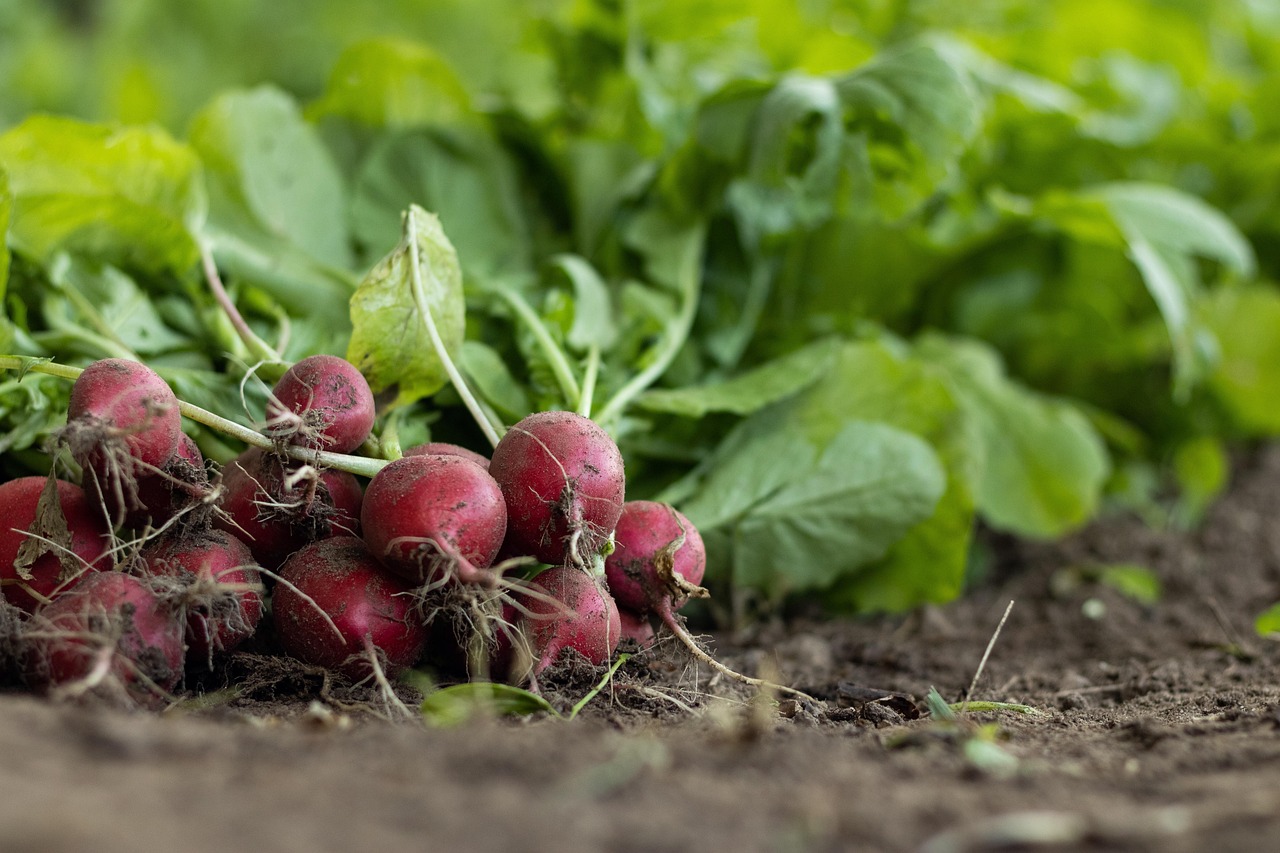
Located in southern Montgomery County south of Dayton, Kettering is known for quiet neighborhoods, tree-lined streets, and active gardening. From brick ranches near Lincoln Park to homes around Fraze Pavilion, residents take pride in cultivating fresh vegetables, culinary herbs, and heirloom produce. However, achieving high crop yields in suburban ground requires soil preparation. Decades of residential mowing and foot traffic have compacted native subsoils, leaving dense ground with low biological activity. Sourcing clean materials through vegetable garden soil in Kettering provides the nutrient-rich growing media necessary to produce bountiful harvests.
Sourcing certified vegetable garden soil Kettering OH mixes enriched with aged compost and screened topsoil ensures plant roots have loose aeration, balanced nutrition, and consistent moisture throughout the growing season.
Why Kettering’s Soil and Climate Shape This Project
Kettering sits on glaciated limestone terrain underlain by Miami and Crosby silt loams. These native soils contain high proportions of dense clay that bake into hard crusts during hot summer dry spells and drain poorly after heavy downpours.
In addition, urban and suburban residential soils often suffer from historical compaction and nutrient depletion. Agronomists at Ohio State University Extension emphasize that growing heavy-feeding vegetables like tomatoes, peppers, and sweet corn requires introducing substantial volumes of organic compost. Building raised planter frames filled with fresh, certified clean topsoil and rich compost isolates edible crops from compacted subsoils while providing total control over soil fertility, moisture percolation, and pH balance.
Best Soil and Amendment Options for Kettering Gardens
Vigorous vegetable growth requires growing media that balances mineral mass, organic nutrients, and root aeration:
- Garden soil → A specialized growing blend combining screened native loam, aged plant compost, and coarse sand. It provides loose structure and balanced biological fertility ideal for heavy-feeding vegetables.
- Compost soil → Dark, fully decomposed organic humus rich in beneficial soil microbes and balanced micronutrients. Blending compost into garden beds boosts moisture retention and feeds living root systems.
- Screened topsoil → Sifted native black loam free of rocks and root debris. It serves as an economical, mineral-rich base filler for deep raised garden frames and leveling low planting beds.
Step-by-Step Urban Raised Bed Installation
Methodical bed construction, subgrade preparation, and balanced soil blending ensure productive growing seasons:
- Select a sunny site: Choose an area receiving six to eight hours of direct sunlight. Homeowners preparing gardens in nearby Centerville follow this standard.
- Construct raised frames: Assemble frames twelve to eighteen inches tall using cedar, oak, or composite timbers.
- Install pest barrier: Line the frame bottom with hardware cloth mesh to exclude burrowing pests, topped with cardboard.
- Layer mineral topsoil: Fill the bottom one-third of planter frames with screened topsoil to establish mineral mass.
- Add premium garden soil: Fill the upper two-thirds with garden soil blended with aged compost, mixing thoroughly.
- Rake, water, and plant: Smooth the surface, water thoroughly, and plant vegetable seedlings, topdressing with straw mulch.
How Much Garden Soil and Compost Do You Need?
Accurate material calculations prevent running short on soil during planting preparation. Premium garden soil weighs approximately 1.15 to 1.2 tons per cubic yard, while compost weighs roughly 0.85 tons per yard. A raised garden bed measuring four feet wide by twelve feet long and twelve inches deep (48 square feet) requires roughly 1.8 cubic yards, or about 2.1 tons of soil mix. Adding a two-inch compost topdressing across a 200-square-foot garden requires roughly 1.2 cubic yards of compost. Consult our guide to garden soil for customized planting estimators.
| Material | Project Depth | Estimated Coverage per Ton / Yard |
|---|---|---|
| Garden soil blend | 6 to 12 inches | 25 to 50 sq ft per cu yd |
| Compost soil amendment | 2 to 3 inches | 100 to 150 sq ft per cu yd |
| Screened topsoil base | 4 to 6 inches | 50 to 80 sq ft per cu yd |
| Shredded bark mulch border | 2 to 3 inches | 100 to 110 sq ft per cu yd |
Common Mistakes to Avoid in Kettering
A frequent error in backyard vegetable gardening is filling raised beds with unscreened backyard dirt or pure peat moss. Raw dirt contains heavy clay and weed seeds that choke plant roots, while peat moss dries out into a water-repellent crust. Sourcing certified vegetable garden soil Kettering OH blends rich in organic compost ensures balanced drainage and lasting nutrition. Another common mistake is neglecting to add compost each spring; vegetable crops consume nutrients rapidly, requiring annual organic replenishment.
Do not use fresh, uncomposted animal manure in vegetable beds. Fresh manure contains excess salts and ammonia that burn plant roots and may harbor harmful bacteria.
Local Sourcing, Permitting, and Delivery in Kettering
Building residential raised garden beds and ordering bulk topsoil do not require municipal building permits in the City of Kettering. However, check local zoning regulations regarding property setback lines for large freestanding greenhouses or accessory storage sheds.
When booking bulk soil delivery, partner with reliable Kettering garden soil suppliers. Residential streets feature manicured curbs and overhead utility lines. Choose a clean, paved drop zone on your driveway and protect concrete pavers with heavy tarps before dump trucks arrive.
Frequently Asked Questions
What is the ideal soil blend for raised vegetable beds?
A mix of sixty percent screened mineral topsoil, thirty percent organic compost, and ten percent coarse sand provides optimal drainage, aeration, and fertility for vegetables.
Can I plant vegetables directly in native Kettering clay?
While native clay contains minerals, it compacts easily and warms slowly in spring. Raised beds filled with blended garden soil warm faster and allow deep, unrestricted root growth.
How often should compost be added to raised garden beds?
Add a one- to two-inch layer of organic compost to raised beds each spring or autumn, working it into the upper soil to replenish nutrients consumed by growing crops.
How deep should soil be for growing tomatoes and peppers?
Tomatoes and peppers develop extensive root systems and require at least twelve to eighteen inches of loose, nutrient-rich garden soil to produce bountiful harvests.
Related Resources
- Balanced garden soil blends for raised vegetable and flower beds
- Rich organic compost soil for natural biological fertility
- Clean screened black topsoil for mineral-rich raised bed bases
- Complete guide to vegetable garden soil preparation
Final Thoughts
Cultivating a flourishing backyard vegetable garden provides fresh, flavorful produce for your family while connecting you with the earth. Installing an engineered vegetable garden soil Kettering OH mix with fertile garden soil, rich organic compost, and screened topsoil ensures your raised beds have the loose texture, superior moisture retention, and living biological nutrients needed to produce bountiful harvests year after year. Explore complete Ohio bulk garden soil and compost options to find certified products across Montgomery County. Contact Simple Gravel today to calculate your soil volumes and arrange fast, reliable delivery through trusted Kettering vegetable soil delivery specialists.











