




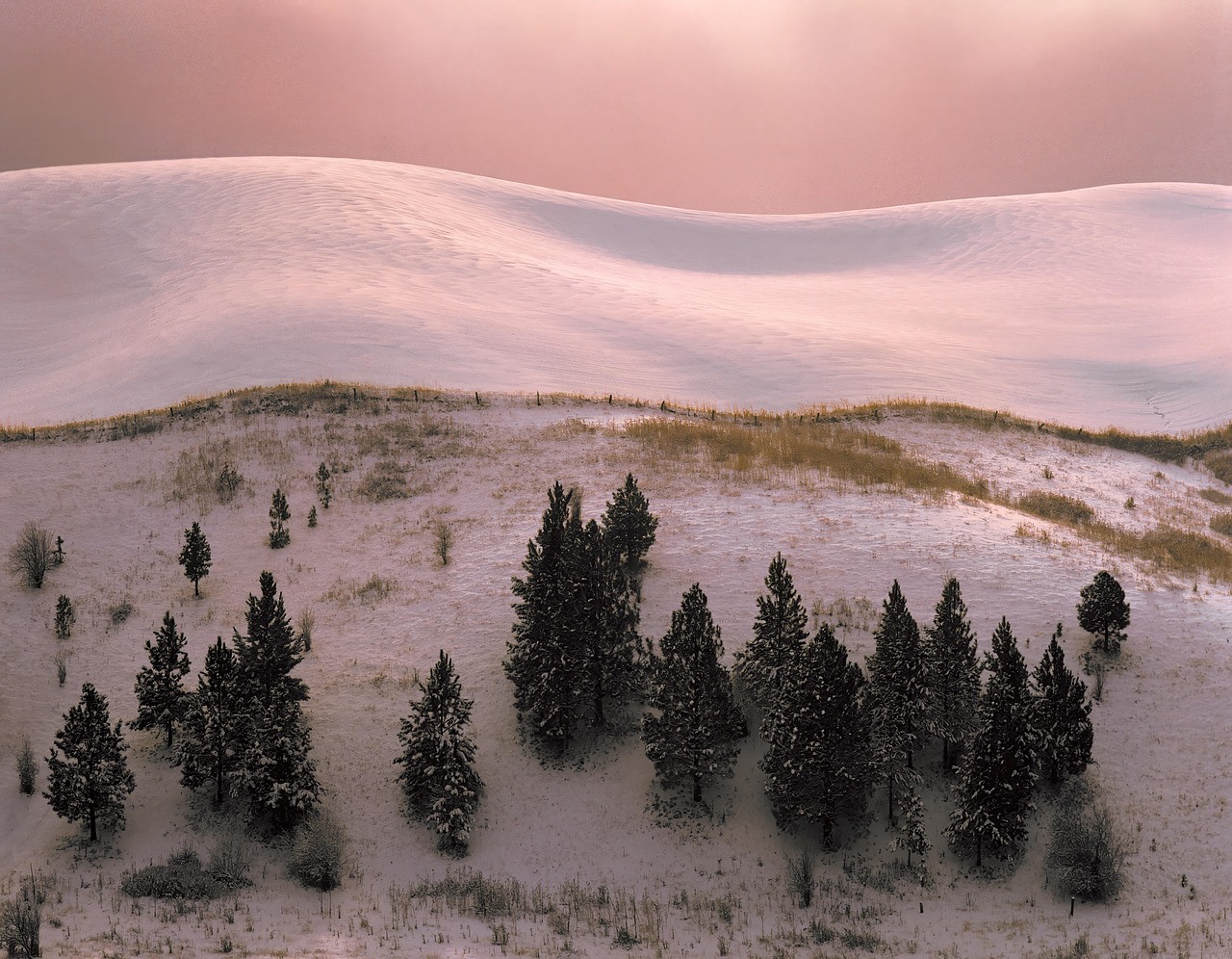
The Project in Washington
The Cascade Mountains divide Washington into two distinct ecological zones. Western Washington features a maritime climate with abundant rain, while Eastern Washington lies in an arid rain shadow. Choosing aggregates depends on which side of the mountains you reside. Materials that thrive in soggy Puget Sound soils fail in sun-baked Columbia Basin sands. Sourcing supplies through Washington bulk stone and gravel suppliers ensures you select river rock, bark mulch, and garden soils tailored to your local climate.
Selecting climate-appropriate Washington landscaping rock solutions with smooth river rock, moisture-retaining bark mulch, and fertile garden soil ensures durable beauty, minimal maintenance, and vibrant plant health across both Western and Eastern Washington.
Why Washington’s Soil and Climate Shape This Project
Moist Pacific air drops thirty-five to sixty inches of rain across Western Washington, producing acidic till soils prone to waterlogging and moss. Here, landscapes require free-draining aggregates.
In contrast, Eastern Washington receives seven to fifteen inches of precipitation on alkaline sandy loams. Agronomists at Washington State University Extension emphasize that Eastern Washington landscaping requires heavy mineral mulches like river rock that resist windstorms, shade soil, and provide fire-safe buffers. Western Washington yards benefit from organic bark mulches that replenish humus and raised beds that lift roots above wet water tables.
Best Rock, Mulch, and Soil Options for Washington Landscapes
Matching aggregate characteristics to regional climate zones ensures project success:
- River rock → Naturally rounded basalt and quartzite stones measuring one to three inches. In Eastern Washington, it serves as windproof, fire-resistant xeriscape mulch; in Western Washington, it lines drainage channels and water features.
- Bark mulch → Dark, shredded fir and hemlock bark. It insulates perennial roots, suppresses weeds, and replenishes depleted organic humus in damp Western Washington garden beds.
- Garden soil → Screened sandy loam enriched with dark organic compost. It provides balanced nutrition and moisture retention for vegetable gardens and raised flower beds across both regions.
Step-by-Step Regional Landscape Installation Guide
Follow these construction stages to design an attractive, climate-adapted landscape anywhere in Washington:
- Evaluate local climate and soil pH: Test soil acidity. Western soils typically require lime to reduce acidity, while Eastern soils require organic amendments to buffer alkalinity.
- Select appropriate bed base: Excavate three to four inches of native soil. In wet areas, install perforated drainage lines; in arid zones, lay drip irrigation lines beneath planting beds.
- Install geotextile landscape fabric: Lay needle-punched landscape fabric to stop weed emergence. Contractors in Issaquah use fabric under stone to stop soil intermixing in wet ground.
- Apply protective surface mulch: Spread river rock three inches deep in windy Eastern areas, or apply shredded bark mulch three inches deep in damp Western beds. Builders in Richland use river rock to create fire-safe perimeters.
- Build raised planting beds: Construct cedar planter boxes twelve inches high and fill with enriched garden soil to give vegetable crops ideal drainage and warmth.
- Connect areas with crushed walkways: Install crushed aggregate paths between beds to ensure firm footing. Homeowners in Puyallup rely on crushed stone paths for clean, mud-free garden access.
How Much Stone, Mulch, and Soil Do You Need?
Accurate material ordering saves money and prevents delays. River rock weighs approximately 1.35 to 1.4 tons per cubic yard, bark mulch averages 0.5 to 0.6 tons per yard, and garden soil averages 1.15 to 1.25 tons per yard. For a landscape bed measuring 400 square feet covered three inches deep with river rock, you will need approximately 3.7 cubic yards (5.1 tons) of stone. Covering the same bed with three inches of shredded bark mulch requires roughly 3.7 cubic yards (2.1 tons). Filling two raised beds measuring 4 feet by 10 feet (80 square feet) twelve inches deep requires 3.0 cubic yards (3.6 tons) of garden soil. Consult our comprehensive guide to river rock for coverage tables and design tips.
| Material | Project Application | Estimated Coverage per Ton / Yard |
|---|---|---|
| 1 to 3-inch river rock | 3-inch xeriscape and swale mulch | 70 to 80 sq ft per ton |
| Shredded bark mulch | 3-inch moisture bed cover | 100 to 110 sq ft per cu yd |
| Enriched garden soil | 12-inch raised bed growing fill | 25 to 30 sq ft per cu yd |
| Crushed walkway gravel | 3-inch garden path surface | 75 to 85 sq ft per ton |
Common Mistakes to Avoid in Washington Landscaping
Using lightweight wood mulch in windy, arid Eastern Washington is a frequent error. Strong desert winds scatter dry bark, and intense sun breaks organic wood down rapidly while creating a fire hazard. Designing a Washington landscaping rock project in arid zones requires heavy river rock that remains permanently anchored.
Planting delicate vegetables directly into unamended Western Washington clay leads to root rot in cold, wet spring weather. Always raise plants in raised beds filled with structured garden soil. Finally, avoid non-porous plastic sheeting beneath rock; choose breathable geotextile fabrics that allow moisture and oxygen exchange.
Local Sourcing, Permitting, and Delivery in Washington
Residential landscaping, rock mulching, and garden bed construction on private property do not require municipal building permits in Washington cities, provided grading does not alter public storm ditches or critical wetlands. Always contact Washington 811 before trenching or excavating.
When purchasing landscape materials, connect with trusted Washington bulk stone and garden soil suppliers that provide locally sourced aggregates and rich organic blends. Ensure your unloading site has sufficient clearance for large dump trucks, and coordinate with dispatchers for timely driveway deliveries.
Frequently Asked Questions
Why does river rock work better than bark mulch in Eastern Washington?
River rock will not blow away in strong Columbia Plateau windstorms, does not decompose under scorching sun, and provides fire-resistant protection around buildings.
Can I use river rock in Western Washington gardens?
Yes, river rock is ideal in Western Washington for lining drainage swales, armoring rain garden inlets, and creating decorative accents that shed winter rains without rotting.
Why are raised beds recommended for Western Washington gardeners?
Raised beds warm up faster in early spring, provide complete drainage above impermeable glacial hardpan, and allow gardeners to control soil structure and fertility.
How thick should landscape mulch be applied to control weeds?
A consistent depth of three inches for both river rock and bark mulch over heavy-duty landscape fabric effectively blocks sunlight and prevents weed seed germination.
Related Resources
- Smooth river rock cobbles for wind-resistant xeriscapes, swales, and borders
- Natural shredded bark mulch for moisture retention and insulation in garden beds
- Enriched garden soil formulated for productive raised beds and planters
- Complete guide to river rock sizing, mulch alternatives, and landscape planning
Final Thoughts
Designing a beautiful outdoor space in Washington requires understanding the contrasts between the maritime West and the arid East. By matching materials to regional realities: relying on permeable river rock and rich garden soil in wet Puget Sound soils, and leveraging windproof stone mulches across the sunny Columbia Basin, your landscape will flourish year after year. High-grade Washington landscaping rock products deliver enduring beauty and dependable performance. Explore our wide selection of regional landscape stone, bark mulches, and bulk soils. Reach out to Simple Gravel today to calculate your material quantities and schedule prompt delivery to your home.











