




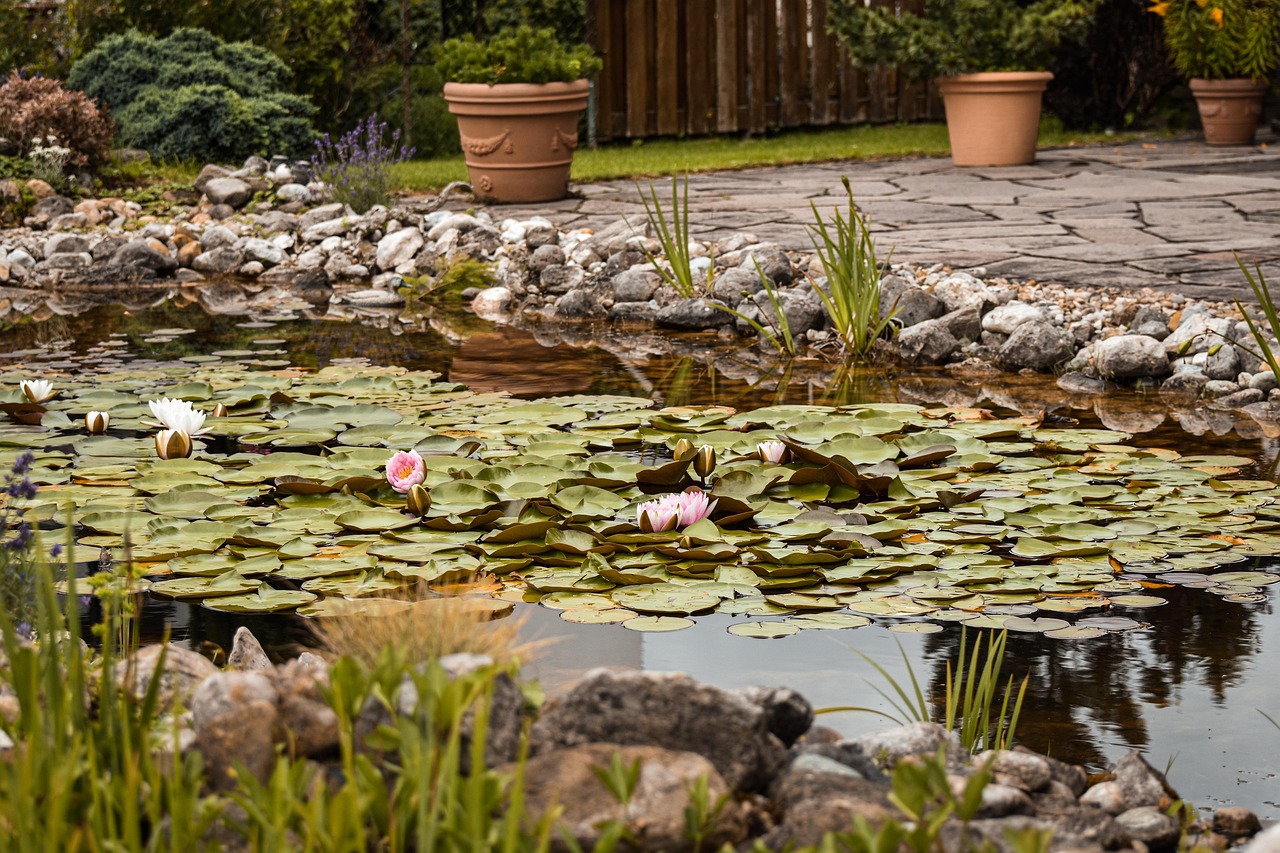
Designing a natural garden pond, backyard waterfall, or bubbling stream in Quantico Base, Virginia introduces relaxing aquatic aesthetics and refreshing tranquility to residential landscapes. Situated in Prince William County along the tidal Potomac River and Chopawamsic Creek, local properties feature rolling wooded topography that lends itself naturally to terraced water features. However, constructing a water feature using soft, crumbling stone or jagged crushed quarry rock can puncture rubber pond liners, cloud water with fine dust, and look unnatural. Installing durable, water-worn water feature rock Quantico Base VA pond builders recommend creates an authentic mountain stream appearance, anchors rubber liners securely, and provides aquatic biological habitat. Smooth rounded river stone and washed drainage rock allow water to cascade cleanly while protecting underlying EPDM liners from puncture damage. Scheduling direct bulk delivery through Quantico Base aggregate delivery brings river rock, clean crushed stone, and bedding sand right to your gate.
Selecting the Ideal Water Feature Rock Quantico Base VA Waterfalls Require
Aggregates in water features must be durable, free of sharp edges, and chemically inert so they will not alter water pH or harm fish. Soft limestone dissolves over time, raising alkalinity and fueling algae blooms.
Naturally tumbled river rock cobbles and rounded boulders are the gold standard for outdoor water features. Formed over thousands of years by river currents, these stones feature smooth, polished surfaces that rest safely against 45-mil EPDM rubber pond liners without tearing them under water weight. River rock ranges in coloration from deep river greys and charcoals to warm tans, buffs, and rich earth tones that complement native woodland landscapes.
Essential Aggregates for Quantico Base Aquatic Features
Building a multi-tiered waterfall or pond requires combining protective bedding sand with various stone diameter sizes. Top material selections include:
- → River rock: Smooth rounded alluvial cobbles in varied sizes from one to eight inches, ideal for lining pond shelves and cascading stream beds.
- → 1 1/2″ clean rock: Washed angular drainage stone used for biological filter vaults, wetland intake filtration beds, and waterfall sub-bases.
- → Utility sand: Fine washed sand spread along the excavated earth pit to cushion the rubber liner against sharp underlying stones.
Securing bulk transport through Quantico Base aggregate delivery guarantees that clean stone materials arrive cleanly dumped in your driveway ready for placement.
Comparing Stone Sizes for Pond and Stream Construction
Evaluating stone classifications helps Prince William County builders create a balanced, authentic water feature:
| Stone Size Classification | Primary Function in Water Feature | Visual & Structural Role |
|---|---|---|
| Fine River Pebbles (3/8 to 3/4-Inch) | Covers bare liner on shallow pond shelves | Soft natural transition, hides rubber seams completely |
| Medium River Cobbles (1 to 3-Inch) | Lines stream bed channels and pond floors | Anchors rubber liner against buoyancy, supports beneficial bacteria |
| Large River Boulders (6 to 12-Inch+) | Waterfall drop faces, stream framing edges | Creates dramatic water splashes, retains shoreline soil berms |
| Washed Utility Bedding Sand | Cushion layer beneath rubber pond liner | Protects rubber from buried roots, levels excavated shelves |
Managing Coastal Plains Soils and Pond Liner Protection
Quantico Base features sandy clay subsoils containing roots and sharp quartz. When digging a basin, sharp stones in sidewalls present puncture risks once water fills the pool. Locating liner tears requires dismantling extensive rockwork.
Contractors excavate terraced pond shelves, remove all roots and jagged rocks, and spread a two-inch protective cushion of washed utility sand across the excavated earth. Laying heavy non-woven geotextile underlayment over the sand before installing the 45-mil EPDM rubber liner provides dual puncture protection. Following regional wildlife and water stewardship guidance from Virginia Cooperative Extension helps property owners integrate native aquatic plants like blue flag iris and pickerelweed into stone margins. Builders constructing water features in neighboring communities like Crosspointe, VA follow these identical aggregate cushioning guidelines to ensure leak-free ponds.
Step-by-Step Construction of a Backyard Stream and Pond
Follow these proven engineering steps to construct a leak-free, natural stone water feature:
- Excavate Terraced Shelves: Dig out the pond basin in tiered shelves twelve inches, twenty-four inches, and thirty-six inches deep, sloping shelves slightly back toward walls.
- Cushion with Utility Sand: Spread two inches of washed utility sand across the excavation floor and shelves, tamping to create a smooth, stone-free bed.
- Install Underlayment and EPDM Liner: Lay heavy non-woven pond underlayment, followed by a durable 45-mil fish-grade EPDM rubber liner, smoothing out large folds.
- Place Heavy Framing Boulders: Position large six-to-twelve-inch river boulders around waterfall drops and pond perimeter edges to anchor the liner permanently.
- Layer Medium Cobbles and Gravel: Spread one-to-three-inch river rock across pond shelves and stream channels, covering all visible black rubber.
- Rinse Stone Thoroughly: Spray all rocks with a garden hose and pump out dirty wash water before filling the pond with fresh water and starting biological filters.
Calculating Water Feature Stone Volume and Weight
Accurate material calculations ensure your water feature construction progresses smoothly without running short of stone. Calculate volume by multiplying total stream and pond surface area in square feet by average rock layer depth in feet, then divide by twenty-seven to determine cubic yards. Convert cubic yards to delivered tonnage using stone density ratios.
Consider a pond and stream totaling 221 square feet of stone coverage. For a four-inch rock layer (0.333 feet deep), multiply 221 by 0.333 to find 73.6 cubic feet, or 2.73 cubic yards. Because river rock weighs 1.35 tons per cubic yard, multiply 2.73 by 1.35 to find 3.7 tons. Adding 1.5 tons of waterfall accent boulders and two tons of sand underlayment indicates ordering roughly 7.25 tons of materials. Explore our comprehensive river rock material guide to study stone palettes and water gardening techniques.
Frequently Asked Questions About Quantico Water Feature Stone
Can I use crushed quarry gravel instead of river rock in my pond?
No. Crushed quarry rock features razor-sharp fractured edges that can easily puncture rubber pond liners under water pressure. Always use smooth, tumbled river rock and rounded cobbles.
Do I need to wash river rock before putting it into a fish pond?
Yes. Bulk river rock contains natural quarry dust and sediment. Rinsing the stone and pumping out initial dirty wash water prevents murky water and protects delicate fish gills.
Can limestone rocks harm fish in a koi pond?
Limestone dissolves slowly in water, leaching calcium carbonate and raising water pH to alkaline levels that can harm fish health and trigger intense algae blooms. Stick to inert granite, basalt, or river cobbles.
How do I stop stream water from escaping behind waterfall rocks?
Use black expanding polyurethane pond foam between waterfall rocks to seal gaps. The foam forces all cascading water over the face of the rocks rather than leaking underneath.
Order Premium Water Feature Rock in Quantico Base, VA
Transform your backyard into a peaceful outdoor oasis with the authentic water feature rock Quantico Base VA pond builders trust for lasting beauty and fish-safe durability. Book your bulk stone and sand delivery through our dedicated Quantico Base aggregate delivery team today.











