
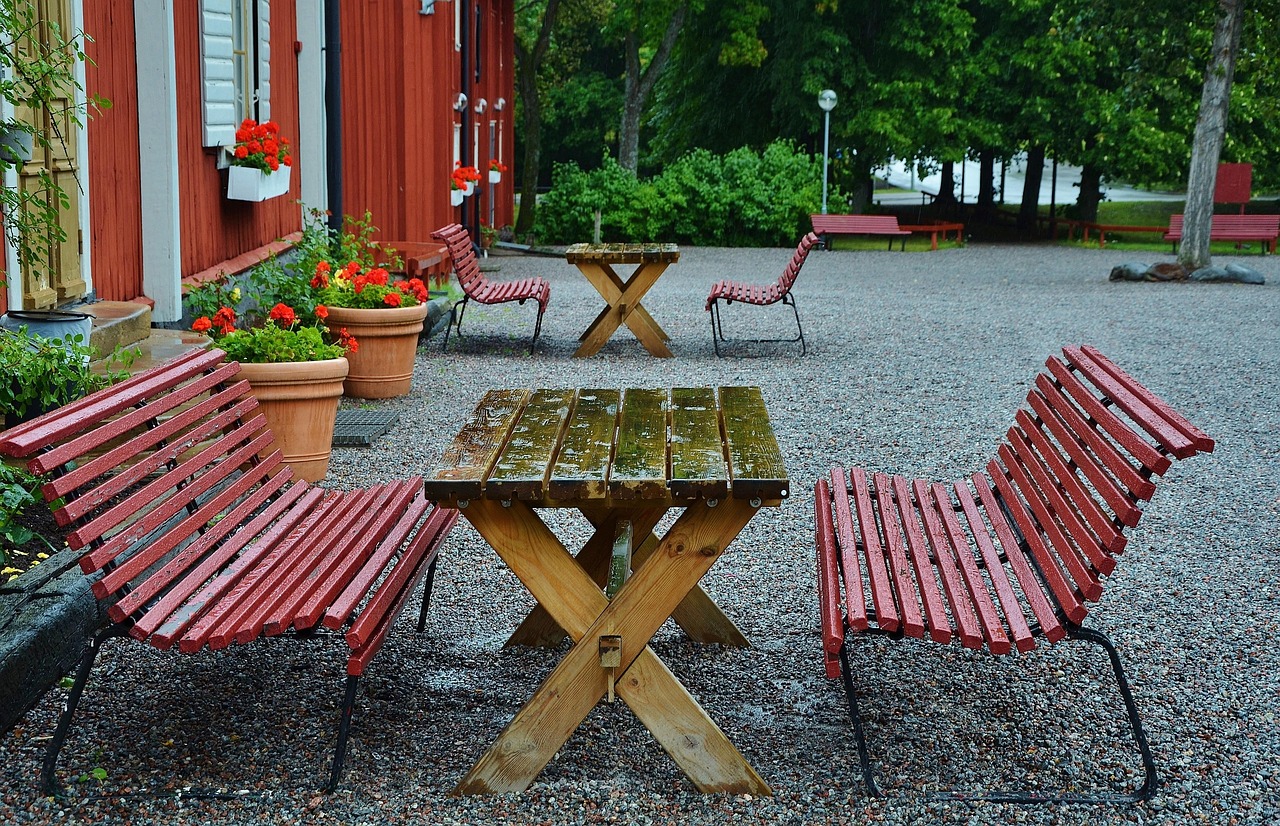
Rathdrum rests across the northern edge of the Rathdrum Prairie in Kootenai County, shadowed by the pine-covered ridges of Rathdrum Mountain. Residential neighborhoods off Highway 53, Meyer Road, and McCartney Street enjoy panoramic mountain views, cool evening breezes, and generous lot sizes that encourage outdoor living. For local homeowners, gathering with family around an open fire is a staple of North Idaho summer nights and crisp autumn weekends. Creating a stable gravel patio fire pit Rathdrum ID families can enjoy year after year provides a non-combustible, low-maintenance alternative to high-cost concrete or rot-prone wood decking. To review bulk aggregates staged for delivery to your property, visit our Rathdrum gravel delivery page.
A poorly constructed fire pit area quickly becomes a weed-infested nuisance or settles unevenly after the first harsh winter freeze-thaw cycle. Heavy outdoor chairs wobble on loose rock, and winter rains create squishy ground underfoot. This guide explains how to properly excavate prairie subgrade, install separation fabric, place compacted aggregate bases, and top your patio with stone that stays level under patio furniture and fire ring heat.
For municipal residential building guidelines and open burning regulations in Kootenai County, review:
City of Rathdrum Public Works and Building Services (Source)
Why Prairie Soils Demand a Layered Gravel Patio Fire Pit Rathdrum ID Build
The ground beneath Rathdrum is part of the Rathdrum Prairie aquifer recharge zone, made up of coarse glacial outwash sand, rounded river cobble, and thin silty topsoil. While this sandy subgrade provides excellent vertical drainage during summer thunderstorms, winter brings thirty inches of ground frost followed by wet spring snowmelt. If aggregate is poured directly onto unprepared prairie turf, seasonal moisture and foot traffic push stones down into the soil while frost heave creates unsightly humps and depressions.
Furthermore, prairie winds can carry sparks from burning tamarack or pine logs. An expansive stone perimeter creates an essential non-flammable safety zone around your fire ring that protects nearby lawns and fences. Building a level, fire-safe retreat requires a solid foundation of compacting mineral fines beneath a comfortable decorative walking surface.
- Firm structural base and paver bedding foundation → stone dust
- Smooth, tactile surface for outdoor seating → pea gravel
- Self-binding perimeter walkway and leveling layer → 1/4″ minus base gravel
- Heavy base foundation on soft subgrade pockets → road base gravel
Browse patio and fire pit materials available in Rathdrum
Best Materials for Rathdrum Gravel Patios
| Layer | Recommended material | Why it works |
|---|---|---|
| Leveling foundation | Stone dust | Crushed mineral fines compact into a smooth, rigid platform that prevents patio chairs from sinking |
| Decorative top coat | Pea gravel | Naturally rounded stones feel comfortable underfoot and create an inviting rustic outdoor space |
| Compact walkway border | 1/4″ minus base gravel | Combines fine grit with small angular chips to lock tight along fire pit border pathways |
| Fire ring foundation | Road base gravel | Provides a heavy-duty, unyielding base that supports heavy steel rings or stone masonry blocks |
Combining dense-graded bases with clean surface rock gives you a level patio that sheds water and resists settling under seasonal snow loads.
Step 1: Layout and Excavate the Patio Footprint
Mark your layout with paint, planning an area sixteen to twenty feet across to allow room for chairs around the fire ring. Excavate four to six inches of topsoil down to undisturbed sandy prairie subgrade. Ensure ground slopes slightly away from nearby structures at one-eighth inch per foot. Roll the excavated area with a roller or plate compactor to eliminate soft pockets.
Step 2: Lay Heavy Geotextile and Build the Base
Line the excavation with heavy-duty commercial woven geotextile fabric, running it up the inner sides of borders. This fabric stops weeds from penetrating from below while keeping gravel from mixing with prairie sand. Spread two to three inches of stone dust or 1/4″ minus base gravel. Lightly mist with water and compact until the base feels firm under boots. Our stone dust guide details how fine aggregate blends compact into solid living pads.
Homeowners building outdoor gathering spaces nearby in Hayden follow this exact same compaction method to ensure heavy Adirondack chairs stay level without sinking.
Step 3: Set the Fire Ring and Spread Surface Aggregate
Set your metal fire ring or stone masonry block circle in the center of the patio over a dedicated base of tamped gravel. Never place gravel inside the fire ring; line the burning pit bottom with fire-rated refractory sand or dirt. Install sturdy metal or composite edging along the patio perimeter. Spread two inches of pea gravel or screeded stone dust across the patio area, raking it smooth to create a comfortable, level outdoor lounge.
Benefits of Local Delivery for Rathdrum Patio Projects
- Full dump truck loads arrive right by your backyard access gate, saving hours of manual hauling
- Screened aggregates arrive clean and free of agricultural weed seeds or clay lumps
- Significant cost savings per ton over buying dozens of bagged stones from retail centers
- Driver placement staging drops rock directly on plywood boards to protect driveways
How Much Aggregate Will Your Rathdrum Patio Require?
Calculating the volume of aggregate needed for your patio relies on the standard cubic yardage formula: length in feet multiplied by width in feet multiplied by thickness in inches, divided by 324. To convert cubic yards to tons, multiply by 1.4, as compacted stone dust and pea gravel weigh approximately 2,800 pounds per cubic yard.
For example, if you are building a 20-foot by 20-foot square patio with a 3-inch top layer of pea gravel, multiply 20 by 20 by 3 to get 1,200. Divide 1,200 by 324 to find that you need 3.70 cubic yards. Multiply 3.70 by 1.4 to calculate 5.18 tons. Ordering 6 tons ensures you have extra aggregate to backfill edging borders and level low spots around the fire ring.
FAQ
Is gravel safe to use around an outdoor fire pit?
Yes, non-combustible gravel creates a natural fire break that catches flying embers and prevents grass fires, making it much safer than combustible wood or composite decking.
Can river rock or wet gravel explode near fire?
Trapped moisture inside river stones can fracture under intense heat. Keep decorative gravel outside the fire ring and use fire-rated bricks or steel rings to contain the blaze.
Will patio chairs wobble on pea gravel?
Keeping your pea gravel layer to a depth of two inches over a firmly compacted stone dust base gives chairs solid footing without sinking into deep loose stone.
How do I keep prairie weeds out of my gravel patio?
A heavy commercial woven geotextile fabric beneath the base prevents perennial weeds from pushing up through the stone, keeping your outdoor space pristine.
Final Thoughts
Constructing a custom gravel patio fire pit Rathdrum ID families can gather around enhances your property value and creates a relaxing haven for North Idaho mountain evenings. By laying a heavy separation fabric, compacting a dense stone dust base, and topping with clean pea gravel, your patio will remain level, weed-free, and fire-safe through every season. Check our full aggregate delivery options across Kootenai County on our Idaho service area page.











