




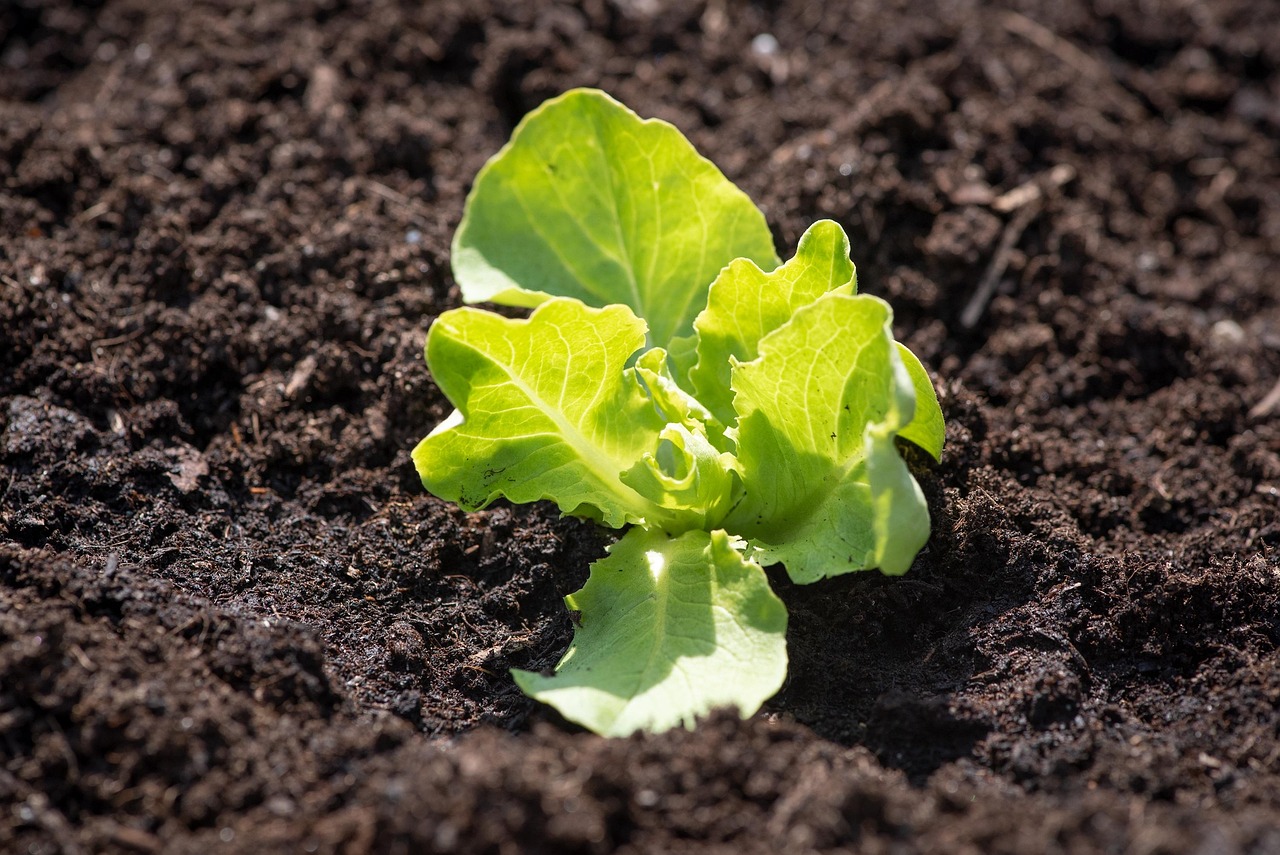
The Project in Greenwood
Whether establishing a new lawn in a Center Grove subdivision or planting raised vegetable beds near Old Town Greenwood, choosing the right soil product is essential for healthy plant development. New construction homes across Johnson County often feature compacted, stripped subgrades left behind by heavy earthmoving machinery. Homeowners frequently wonder about topsoil vs garden soil Greenwood IN differences when ordering bulk soil for turf restoration, shrub borders, or garden plots. Ordering high-grade gravel delivery in Greenwood alongside premium soils provides the foundational materials required for vibrant residential landscaping.
Selecting the proper growing medium prevents plant stunting and ensures proper moisture retention. Browse popular materials for this area:
- Screened topsoil → Best for grading low spots, filling trenches, and establishing turf lawns.
- Garden soil → Best for perennial flower beds, shrubs, and raised vegetable planters.
- Compost soil → Best for enriching dense native clay with active organic matter.
Learn more in our guide to premium screened topsoil.
Why Greenwood’s Soil and Climate Shape This Project
Greenwood rests on central Indiana glacial till dominated by Crosby and Brookston silt loams. These soils possess high clay fractions that become sticky and waterlogged during wet spring months, then bake into brick-hard slabs during hot July droughts. Without adequate organic matter, native clay restricts root penetration, suffocates grass seedlings, and prevents water infiltration.
Johnson County experiences significant seasonal temperature shifts, from below-zero winter freezes to humid summer heatwaves. Unscreened clay subsoil compacts easily under lawnmowers, creating puddles where turfgrass develops root rot. Amending residential soil with balanced screened topsoil and organic compost introduces soil structure, allowing air and beneficial microbes to aerate root zones across changing Midwest weather conditions.
Best Soil and Compost Options for Landscapes in Greenwood
Understanding the exact role of each soil mix simplifies your topsoil vs garden soil Greenwood IN selection.
| Material | Best Used For | Key Advantage in Greenwood |
|---|---|---|
| Screened Topsoil | Lawn establishment, leveling depressions, subgrade grading | Free of rocks and clumps, spreading easily across rough turf areas. |
| Garden Soil | Raised garden beds, perennial borders, flowering shrubs | Enriched blend of screened loam, sand, and organic nutrients. |
| Compost Soil | Amending heavy clay, mulching beds, soil rejuvenation | High microbial activity breaks down dense native clay compaction. |
| Lawn Dressing Soil | Spring and fall core aeration topdressing | Fine particle distribution filters into aeration holes without smothering grass. |
Screened topsoil provides the mineral foundation needed to level lawn depressions and establish grass seed. Because it maintains natural mineral bulk, it does not settle excessively over time. Garden soil, conversely, incorporates composted organics and sand to retain moisture and encourage rapid root branching in vegetable and perennial gardens.
Step-by-Step Soil Preparation for Lawns and Beds
Follow these proven steps to prepare healthy planting beds and lawn areas in Greenwood.
- Evaluate drainage and soil type: Dig down six inches to inspect native clay. Clear debris, construction waste, and aggressive weeds from the project site.
- Aerate compacted subgrade: Use a core aerator or rototiller to loosen the top four inches of native clay, breaking up surface crusts before adding new soil. Similar soil prep methods are used across Bargersville.
- Incorporate organic compost: Spread two inches of compost soil over bare clay and till it into the loosened native earth to create a receptive transition layer.
- Spread screened topsoil for lawns: For new lawn turf, apply three to four inches of premium screened topsoil. Grade smooth with a landscape rake to establish a level seedbed.
- Fill raised planters with garden soil: Fill raised garden beds with enriched garden soil mix, leaving two inches of headspace below timber borders to accommodate settling.
- Water and settle the soil: Water the newly graded area lightly to settle air pockets before broadcasting grass seed or planting ornamental shrubs.
How Much Soil Do You Need?
Calculate bulk soil requirements using standard industry formulas: Multiply length by width by desired depth in feet to get cubic feet, divide by 27 for cubic yards, and multiply cubic yards by 1.1 to 1.3 to convert to required tons depending on moisture content.
Consider a lawn renovation area in Greenwood measuring 25 feet wide by 40 feet long (1,000 square feet) requiring a three-inch (0.25-foot) layer of screened topsoil:
1,000 sq ft × 0.25 ft = 250 cubic feet.
250 / 27 = 9.26 cubic yards.
9.26 × 1.2 = 11.11 tons.
Adding a ten percent settling allowance yields approximately 10.2 cubic yards (roughly 12 tons) of topsoil, deliverable in a single standard dump truck load.
Common Mistakes to Avoid in Greenwood
- Placing topsoil over unloosened hardpan clay: Adding soil over glazed clay creates a perched water table that rots turf roots during rainy spring months.
- Using straight compost in raised vegetable beds: Pure compost settles rapidly, shrinks in volume, and can burn tender seedling roots with excess nutrients.
- Using unscreened fill dirt for lawn seeding: Unscreened dirt contains large clay clods, rocks, and dormant weed seeds that ruin turf smoothness.
- Tilling soil when wet: Tilling wet Johnson County clay destroys soil aggregate structure, resulting in hard clods when dry.
- Neglecting post-seeding mulch: Failing to apply straw or seed blankets allows heavy rainstorms to wash newly placed topsoil into street gutters.
Local Sourcing, Permitting, and Delivery in Greenwood
Residential soil grading projects rarely require city permits in Greenwood unless altering established drainage easements or disturbing more than one acre. Consult the Greenwood City Engineer’s office for stormwater questions. Technical gardening guidance is available through the Purdue Extension Johnson County office.
Coordinate delivery staging before drivers arrive. Heavy soil delivery trucks should drop loads onto driveways or plywood pads rather than soft lawns to avoid soil compaction. Request bulk aggregate delivery in Greenwood during dry weather for cleanest unloading.
Frequently Asked Questions
What is the primary difference between topsoil and garden soil?
Topsoil is screened natural mineral soil used for bulk filling, grading, and establishing lawns. Garden soil is an enriched blend of topsoil, organic compost, and peat formulated specifically for raised beds and flowering plants.
Can I mix compost directly into Johnson County clay?
Yes. Amending clay with compost is the most effective way to break up tight soil structure. Till two to three inches of compost into the upper four inches of clay to improve aeration and drainage.
How thick should topsoil be for a new lawn?
A new lawn needs at least three to four inches of quality screened topsoil over loosened subgrade so turf roots can establish deeply enough to survive summer dry spells.
Will screened topsoil contain weed seeds?
Screened topsoil removes rocks, roots, and clods, but naturally contains dormant weed seeds native to local agricultural soils. Applying seed-safe pre-emergent weed controls helps keep new lawns clean.
Related Resources
- Screened Topsoil Product Details
- Enriched Garden Soil Product Information
- Compost Soil Specifications
- Comprehensive Screened Topsoil Guide
Final Thoughts
Selecting properly formulated topsoil vs garden soil Greenwood IN materials ensures your lawn and landscaping thrive year after year. Explore diverse gravel and landscape stone services across Indiana to source bulk soils, aggregates, and mulches. Contact Simple Gravel to discuss yard volumes and schedule your Greenwood gravel delivery with complete ease.











