




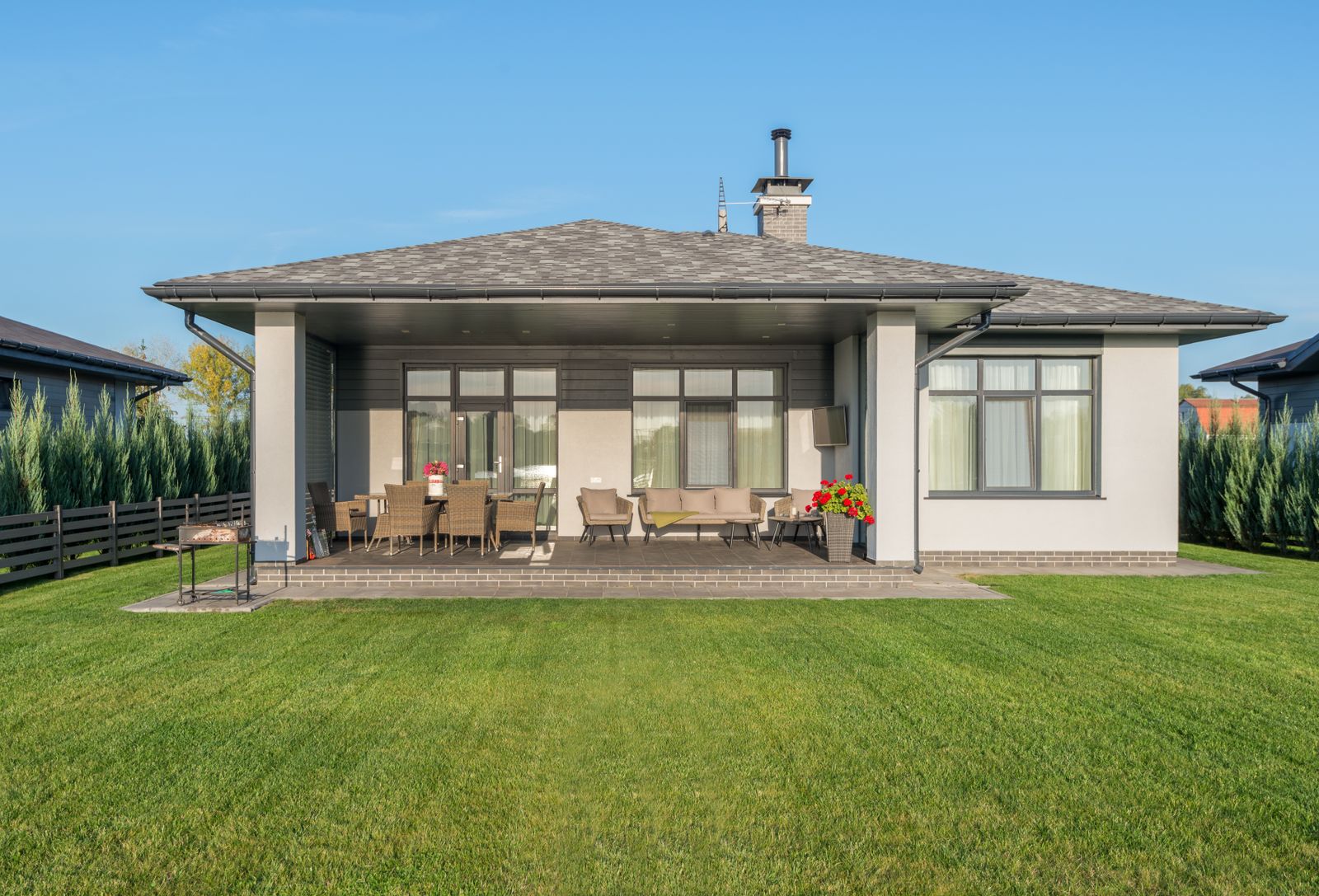
Gardner is one of the fastest-growing cities in Johnson County, and new subdivisions keep appearing along Moonlight Road, Waverly Road and the I-35 corridor. If you have just moved into a new build, you probably have a bare lot, a thin layer of sod and a lot of exposed clay. New home lot landscaping in Gardner, KS is easier and cheaper when you tackle it in the right order: soil first, then drainage, then plants and stone. Everything in this guide can be delivered through our Gardner delivery page.
Here is a practical first-year plan for turning a builder-grade lot into a yard that drains, grows and looks finished.
For a primer on what makes good garden soil, see:
Topsoil (Wikipedia)
Why New Lots in Gardner Need Extra Work
When a house is built, heavy equipment scrapes away the original topsoil and compacts the clay underneath. Builders then lay sod over that hard subsoil. The result is a lawn with shallow roots that browns quickly in July and turns soggy after spring storms. Clay also drains slowly, so water from downspouts and the neighbors’ yards can sit against your foundation.
Fixing the soil and the drainage in the first year saves money on water, plants and repairs later.
- Lawn areas → screened topsoil
- New planting beds → bark mulch over amended soil
- Foundation borders → river rock
- Downspout and swale drains → #57 stone
Browse soil and stone available in Gardner
A New-Build Landscaping Plan for Gardner
| Area | Recommended material | Why it works |
|---|---|---|
| Thin or bare lawn | Screened topsoil | Gives grass roots loose, fertile soil above the compacted clay |
| Planting beds | Bark mulch | Holds moisture, cools roots and blocks weeds |
| Strip along the foundation | River rock | Stops splash-back and keeps mulch away from siding |
| Downspout outlets | #57 stone | Lets roof water spread out and soak in away from the house |
Step 1: Check the Grade
Before adding anything, walk the lot after a rain. Soil should slope away from the house on every side, ideally dropping about six inches over the first ten feet. If water pools near the foundation, raise the low spots with soil before you plant. Extend downspouts at least five to ten feet from the house and finish each outlet with a shallow pad of #57 stone so the water spreads out instead of carving a channel.
Step 2: Rebuild the Lawn Soil
Where sod is thin or patchy, core-aerate the lawn and spread a half inch to an inch of screened topsoil over it, raking it into the holes. For bare areas or a full reseed, loosen the clay and add three to four inches of topsoil before seeding. That loose layer lets roots reach down instead of spreading sideways along the hard clay. Our screened topsoil guide explains the difference between topsoil grades.
Step 3: Build Beds That Thrive
Mark out beds along the front of the house and around the mailbox or a corner tree. Turn in a few inches of compost or garden soil to break up the clay, then plant. Finish with two to three inches of bark mulch, keeping it a few inches back from stems and trunks. Along the foundation itself, a 12- to 18-inch strip of river rock keeps mulch and soil off the siding and handles the drip from the roofline. New neighborhoods in Spring Hill and Edgerton face the same scraped clay, and the same plan works there.
Benefits of Local Delivery for New Gardner Homes
- Topsoil, mulch and rock can arrive on the same day
- Bulk loads cover a whole lot for less than bagged products
- Drivers place piles where you can wheelbarrow them easily
- Easy to order a second round once the beds are planted
How Much Material Will You Need?
Work out the square footage of each area, multiply by the thickness you want in inches, and divide the total by 324. That gives cubic yards, which is how soil and mulch are sold in bulk. A 2,000-square-foot lawn topdressed at half an inch needs about 3 cubic yards of topsoil. A 200-square-foot bed mulched three inches deep needs just under 2 cubic yards of mulch.
Year-Two Projects Worth Planning Now
Even if the budget only stretches to soil and beds this year, sketch out the rest of the yard now. Mark where a future patio, fire pit or vegetable garden will go so you do not plant a tree in the way. Note where the yard stays wettest, since that spot may need a dry creek bed or rain garden later. Think about privacy too. Many Gardner lots back onto neighbors or open fields, and a row of evergreens or ornamental grasses planted early will fill in by the time you want the screen. A simple plan keeps each small project working toward the same finished yard instead of being redone later.
FAQ
Should I put topsoil over new sod?
A thin topdressing of a half inch or less after aerating helps. Thicker layers can smother sod, so save deeper topsoil for bare or reseeded areas.
Rock or mulch around a new house?
Use river rock right against the foundation and mulch in the planting beds beyond it. You get drainage at the house and healthy soil for plants.
When is the best time to do this in Gardner?
Early fall is ideal for seeding cool-season lawns in eastern Kansas. Spring works for beds and rock, before summer heat arrives.
Why is my new yard so wet?
Compacted clay drains slowly. Fixing the grade, extending downspouts and loosening the soil all help water soak in or move away.
Final Thoughts
The first year in a new Gardner home is the best time to fix the soil and drainage that the builder left behind. Start with grade and topsoil, add beds and rock next, and your yard will look established in a single season. We deliver the same materials across the state, listed on the Kansas locations page.











