




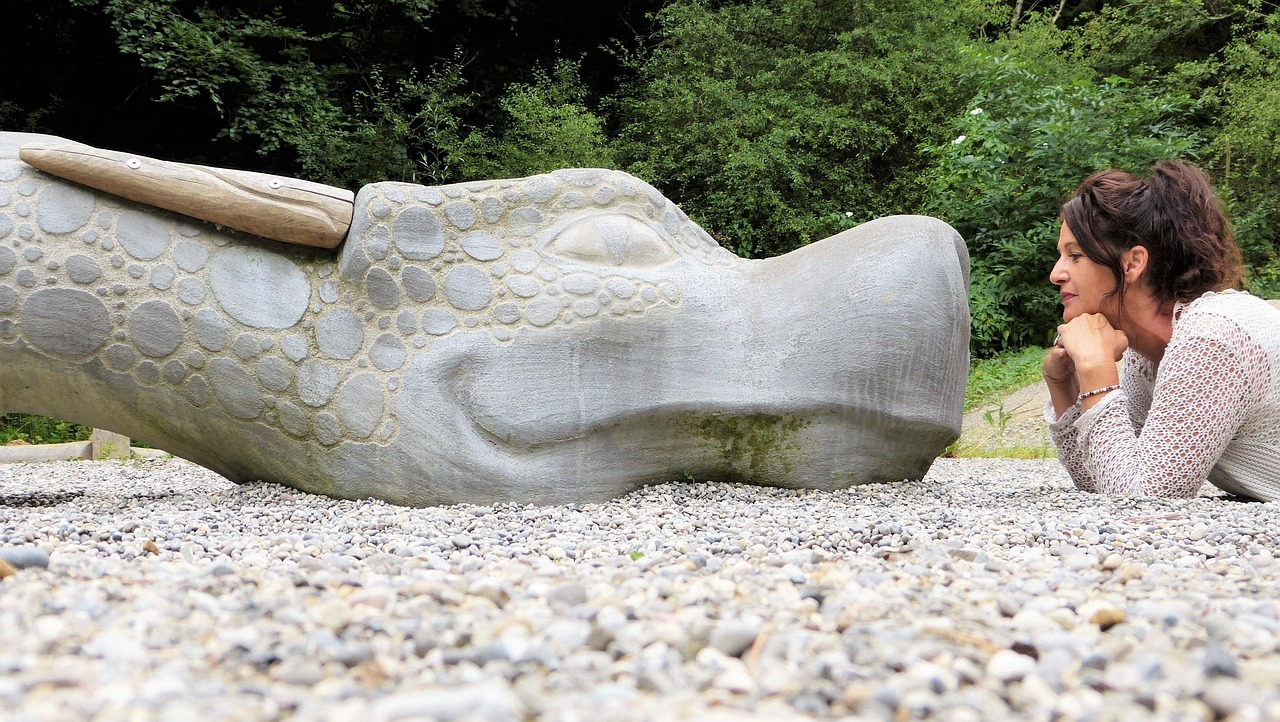
The Project in Kentwood
Kentwood is a vibrant suburban community in southern Kent County known for family-friendly neighborhoods, excellent municipal parks, and residential subdivisions near Breton Road, 44th Street, and 52nd Street. Homeowners with growing families frequently invest in backyard swing sets, climbing towers, and play structures to keep children active outdoors. However, selecting the right protective ground cover beneath playsets represents an important safety decision. Installing play equipment directly over bare grass leads to worn mud pits, hard-packed turf, and painful falls. Deciding on the best play area surface Kentwood MI option involves comparing smooth pea gravel against washed playground sand and engineered wood mulch. Sourcing certified child-safe aggregates is simple with prompt gravel delivery in Kentwood.
Selecting clean, shock-absorbing materials protects children while keeping play spaces clean and dry. Browse popular materials for this area:
- Pea gravel → Best for clean shock absorption beneath swings, excellent drainage, and discouraging neighborhood cats.
- Playground sand → Best for soft tactile sandboxes, toddlers, and cushioned landing pits.
- Bark mulch → Best for natural woodland playground perimeters and decorative borders.
Learn more in our guide to decorative pea gravel.
Why Kentwood’s Soil and Climate Shape This Project
Kentwood sits on undulating glacial plains with native soils classified under the Kalamazoo and Oshtemo sandy loam series, interspersed with tight subsoil clay pockets. While surface loam drains adequately, heavy playground foot traffic compresses dirt into a concrete-hard surface that offers zero shock absorption during unexpected falls.
Michigan experiences dramatic seasonal temperature shifts, heavy autumn rains, and freezing winter conditions. Play areas surfaced with wood mulch retain moisture, decomposing into spongy rot that harbors mold and insect pests. In contrast, smooth round pea gravel drains immediately after rainfall and does not rot, allowing children to return to play shortly after downpours without tracking mud into homes.
Comparing Materials for Play Area Surfaces in Kentwood
Evaluating surface characteristics helps you select the best play area surface Kentwood MI material for your children’s age and equipment height.
| Material | Best Used For | Key Advantage in Kentwood |
|---|---|---|
| Pea Gravel (Round 3/8″) | Swing sets, slides, and climbing towers | Excellent fall attenuation, rapid drainage, and does not attract neighborhood cats. |
| Playground Sand | Sandboxes and toddler play zones | Soft, clean washed texture provides hours of tactile play and gentle cushioning. |
| Bark Mulch (Engineered Wood) | Surrounding borders and landscape paths | Natural appearance integrates smoothly with residential turf and garden beds. |
| Screened Topsoil | Perimeter berms and border restoration | Establishes healthy grass borders around timber playground retainers. |
Pea gravel is widely recognized by safety experts as an outstanding loose-fill surfacing material for backyard playsets. Its rounded pebbles move freely to disperse impact energy during falls. Unlike playground sand, which neighborhood cats often mistake for a litter box, cats avoid pea gravel, keeping the play zone sanitary and pleasant for young children.
Step-by-Step Play Area Surface Installation
Build a safe, durable backyard play zone in Kentwood with these straightforward installation steps.
- Outline the safety fall zone: Mark a perimeter extending at least six feet beyond all play equipment in every direction. Similar playground layouts are installed in Wyoming.
- Excavate sod and topsoil: Dig down eight to ten inches across the marked zone, creating a flat, uniform basin.
- Install sturdy border edging: Anchor heavy-duty composite playground timbers or rounded cedar logs with steel rebar pins driven into the ground.
- Lay needle-punched landscape fabric: Line the excavated floor and timber walls with commercial non-woven geotextile fabric to prevent subsoil mixing.
- Spread protective loose-fill aggregate: Shovel in eight to nine inches of washed pea gravel or playground sand across the containment pit.
- Rake smooth and inspect depths: Rake the material flat, using a measuring stick to verify depth beneath swings and slide exits.
How Much Play Material Do You Need?
Calculate loose-fill material needs using standard volume formulas: Multiply play area length by width by material depth in feet to get cubic feet, divide by 27 for cubic yards, and multiply cubic yards by 1.4 to calculate required tons.
Consider a 20-foot by 25-foot backyard play area in Kentwood (500 square feet) requiring an eight-inch (0.67-foot) depth of washed pea gravel:
500 sq ft × 0.67 ft = 335 cubic feet.
335 / 27 = 12.41 cubic yards.
12.41 × 1.4 = 17.37 tons of pea gravel.
Ordering 18 to 19 tons ensures adequate cushion depth, accounting for compaction and containment rim settle.
Common Mistakes to Avoid in Kentwood
- Installing equipment directly over grass: Hard-packed soil causes severe impact injuries; loose-fill surfacing is essential for fall protection.
- Spreading loose fill too thin: Applying less than six inches of gravel or sand fails to provide adequate impact absorption for equipment over four feet high.
- Omitting a heavy geotextile barrier: Without landscape fabric, stone and sand sink into native mud, allowing weeds to take over the playground.
- Using crushed angular gravel: Sharp fractured stone cuts knees and palms; always specify naturally rounded, smooth pea gravel.
- Neglecting seasonal leveling: High-traffic spots beneath swings develop hollows; rake displaced material back into landing areas every month.
Local Sourcing, Permitting, and Delivery in Kentwood
Residential playsets and loose-fill gravel containment basins do not require building permits in the City of Kentwood, provided they respect rear and side yard setback regulations. For child safety standards and consumer product guidelines, review technical publications from the MSU Extension.
Dump truck delivery requires easy driveway access. Mark your preferred drop spot with cones and ensure overhead wires are clear before ordering bulk aggregate delivery in Kentwood.
Frequently Asked Questions
What depth of pea gravel is recommended for swing set safety?
The U.S. Consumer Product Safety Commission (CPSC) recommends a compressed depth of nine inches of pea gravel to protect against falls from equipment up to seven feet tall.
Does pea gravel hurt children’s bare feet?
Quality pea gravel consists of naturally tumbled, smooth round pebbles that do not cut skin. While children typically wear shoes while playing, smooth stones are gentle on hands and knees.
How do I stop pea gravel from scattering into the lawn?
Install ten- to twelve-inch-high timber borders that rise at least three inches above the top surface of the gravel. This containment lip stops stones from kicking into turf during play.
Is sand or pea gravel better for wet backyard areas?
Pea gravel is superior for wet areas. Sand holds water and can stay damp for days, whereas round gravel lets rainwater percolate straight into the soil immediately.
Related Resources
- Smooth Pea Gravel Specifications
- Clean Playground Sand Product Details
- Bark Mulch Product Information
- Comprehensive Pea Gravel Material Guide
Final Thoughts
Selecting the right play area surface Kentwood MI materials creates a safe, low-maintenance outdoor play haven where your children can explore with confidence. Explore complete gravel and landscape stone services across Michigan to source clean playground aggregates and containment timbers. Contact Simple Gravel today to calculate your project needs and schedule your Kentwood gravel delivery with complete peace of mind.











