




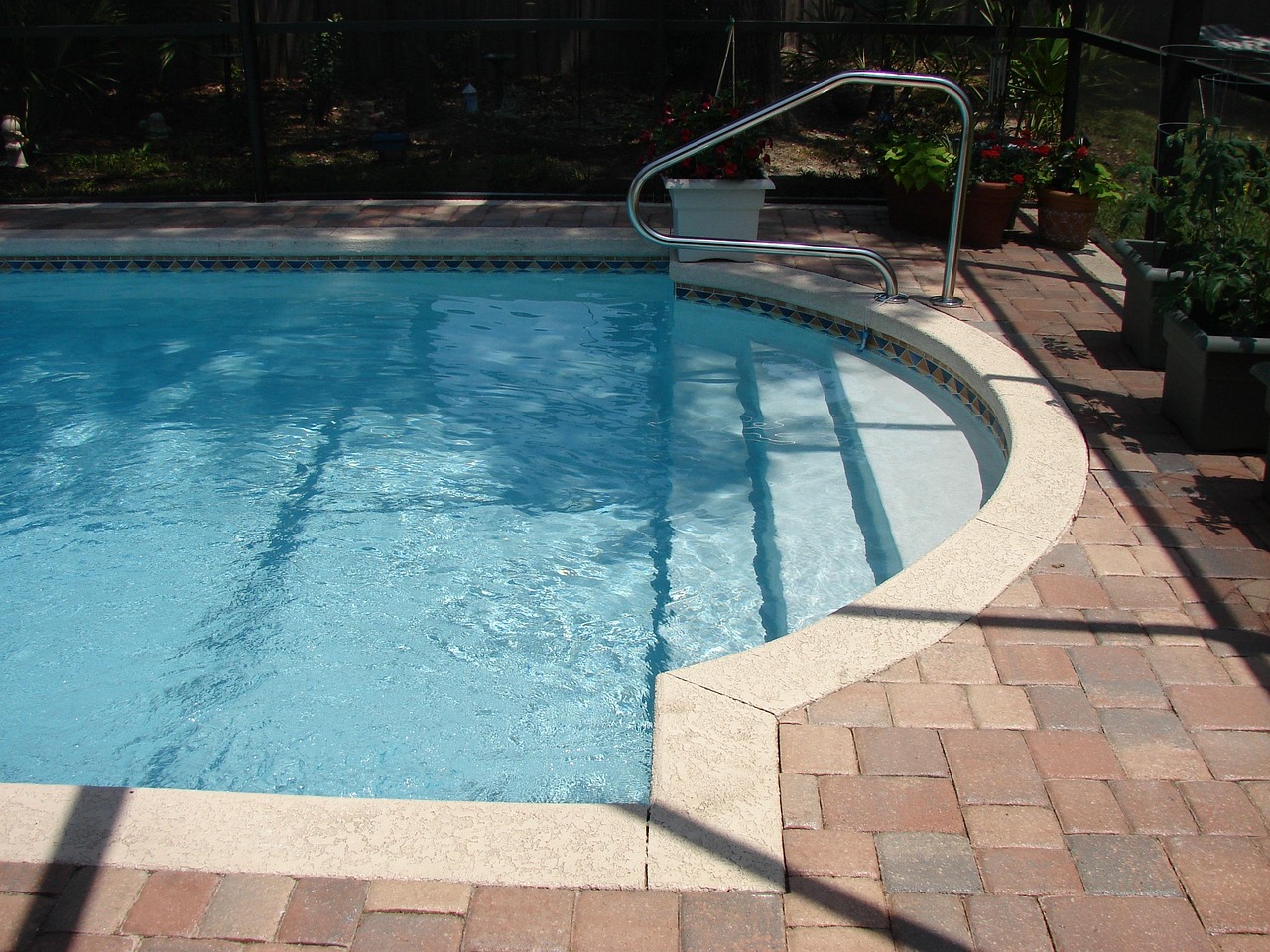
The Project in St. Peters
Building an outdoor living space in St. Peters connects suburban homes with relaxed backyard entertainment. From subdivisions near Mexico Road, Mid Rivers Mall Drive, and Spencer Creek to homes bordering St. Peters Golf Club, homeowners love installing stylish concrete paver patios. However, outdoor flatwork in St. Peters faces a formidable subterranean challenge: expansive clay subsoils. When paver patios are constructed over shallow, inadequately compacted bases, seasonal moisture changes cause the ground to swell and shrink dramatically. Paver stones shift, individual blocks sink, and patio edges separate into uneven, dangerous tripping hazards. Building a durable paver patio base St. Peters MO homeowners can enjoy for decades requires deep excavation, geotextile separation fabric, six inches of densely compacted 3/4-inch minus base gravel, and a precision-screeded concrete sand bedding course. Property owners can source certified aggregate supplies through dependable gravel delivery in St. Peters.
Selecting angular crushed limestone ensures maximum interlock and load distribution over flexible clay ground. Browse popular materials for this area:
- 3/4″ minus base gravel → Best for structural patio foundations, blending crushed rock chips and mineral dust into an unyielding, dense base.
- Concrete sand → Best for precision paver bedding courses, providing coarse angular quartz grains that do not shift under load.
- Stone dust → Best for joint filling and leveling irregular flagstone flatwork, forming a dense, weed-resistant seal.
Learn more in our guide to 3/4 minus base gravel.
Why St. Peters’s Soil and Climate Shape This Project
St. Peters features Mexico silt loams and clay loams formed from glacial drift. These soils possess high clay content with significant shrink-swell capacity. In rainy spring months, clay absorbs water and swells beneath flatwork.
Eastern Missouri also experiences winter freeze-thaw cycles and drought-prone summers. Trapped winter moisture creates frost heave that lifts pavers. Summer heat causes clay to shrink, creating voids that swallow bedding sand. Without geotextile fabric, base stone sinks into subgrade mud. Installing a deep six-inch compacted limestone gravel base creates an engineered raft that distributes patio loads evenly while isolating pavers from moving clay.
Best Aggregates for Paver Patio Bases in St. Peters
Comparing aggregate gradations helps property owners selecting paver patio base St. Peters MO materials choose the right layering sequence for lasting stability.
| Material | Layer & Function | Key Advantage in St. Peters |
|---|---|---|
| 3/4″ Minus Base Gravel | Structural base foundation (6 to 8 inches) | Fractured limestone chips and binder dust compact into a rigid, load-spreading raft. |
| Coarse Concrete Sand (ASTM C33) | Paver bedding course (exactly 1 inch) | Angular grains interlock into paver bottom joints without migrating or washing out. |
| Limestone Stone Dust | Joint filler for natural stone flatwork | Tamps into a tight, semi-solid joint seal that inhibits weed root development. |
| #57 Washed Clean Stone | Perimeter subgrade French drain channels | Collects and conveys subsurface water away from patio base perimeters. |
Step-by-Step Paver Patio Base Installation
- Excavate subgrade depth: Excavate nine inches deep (paver thickness plus one inch sand and six inches base gravel), extending six inches beyond the perimeter for shoulder support.
- Pitch subgrade for drainage: Slope the subgrade one-quarter inch per foot away from foundations toward swales. Tamp clay thoroughly with a plate compactor. Projects in Cottleville use identical slopes to protect foundations.
- Lay geotextile fabric: Roll out non-woven geotextile fabric across the excavation. This stops crushed stone from sinking into clay and blocks mud pumping.
- Install and compact base gravel: Spread six inches of 3/4-inch minus base gravel in two lifts. Moisten each lift and compact thoroughly with a vibratory plate compactor.
- Screed concrete sand bedding: Lay one-inch rails across the base. Spread coarse concrete sand and screed an uncompacted one-inch bedding layer.
- Lay pavers and secure edging: Lay pavers on screeded sand. Anchor commercial paver edging with steel spikes into the extended gravel base. Compact pavers with a padded compactor and sweep joint sand.
How Much Material Do You Need?
Accurate material ordering ensures steady project progress without running out of aggregate midway through installation:
Consider a patio in St. Peters measuring twenty feet by fifteen feet (300 square feet), requiring six inches (0.50 feet) of compacted 3/4-inch minus base gravel and one inch (0.083 feet) of concrete sand:
Base Gravel: 300 sq ft × 0.50 ft = 150 cubic feet.
150 / 27 = 5.56 cubic yards × 1.40 (compacted limestone factor) = 7.78 tons.
Add ten percent for extended perimeter shoulders: 8.5 tons of base gravel.
Bedding Sand: 300 sq ft × 0.083 ft = 24.9 cubic feet / 27 = 0.92 cubic yards × 1.35 = 1.24 tons of concrete sand.
Ordering nine tons of base gravel and 1.5 tons of concrete sand covers the complete footprint, edge shoulders, and joint leveling.
Common Mistakes to Avoid in St. Peters
- Skipping geotextile underlayment: Installing gravel directly over wet clay causes stone to sink into subgrade mud, creating wavy pavers.
- Using stone dust for bedding: Stone dust retains water and shifts under load; only coarse ASTM C33 concrete sand provides proper bedding stability.
- Compacting bedding sand beforehand: Bedding sand must remain loose so pavers seat into sand during final compaction.
- Failing to extend base gravel: Stopping base gravel flush with paver edges causes borders to tilt; extend the base six inches past pavers.
- Inadequate base depth: Installing a shallow base over expansive clay leads to frost heaving and cracked pavers during winter.
Local Sourcing, Permitting, and Delivery in St. Peters
Constructing residential paver patios does not typically require permits in St. Peters. If building retaining walls over four feet high or roof structures, check building department rules. For soil standards, consult the University of Missouri Extension.
Plan aggregate delivery staging carefully. Dump trucks require firm driveway pads. Avoid dumping heavy stone over irrigation valves. Coordinate staging with your St. Peters aggregate supplier before trucks arrive.
Frequently Asked Questions
What is the best base material for a paver patio in Missouri?
Crushed 3/4-inch minus limestone base gravel compacted over geotextile fabric is standard for supporting patios over clay.
Can I use stone dust for the bedding layer?
No. Stone dust traps water and causes uneven settling. Coarse ASTM C33 concrete sand drains cleanly and maintains interlock.
How thick should the gravel base be under a paver patio?
A minimum of six inches of compacted 3/4-inch minus base gravel is required for pedestrian patios over expansive clay.
Why did my paver patio sink?
Patios sink when installed over shallow uncompacted bases, without geotextile over clay, or with failing edge restraints.
Related Resources
- 3/4″ Minus Base Gravel Product Specifications
- ASTM C33 Coarse Concrete Sand Details
- Limestone Stone Dust Options
- Complete Paver Base Compaction Guide
Final Thoughts
A paver patio is only as stable as its foundation. Building your paver patio base St. Peters MO project with geotextile underlayment, six inches of compacted 3/4-inch minus base gravel, and concrete sand bedding protects against shifting clay and frost heave. Explore complete Missouri aggregate and stone delivery options for limestone base and bedding sand. Contact Simple Gravel today to calculate tonnages and schedule delivery through trusted St. Peters stone delivery specialists.











