




The Project Across Missouri
Outdoor paver patios, natural flagstone courtyards, and stone fire pit lounges are among the most rewarding home improvements a Missouri property owner can build. However, anyone who has spent a winter in the Show-Me State knows how brutal the seasonal climate can be on outdoor masonry. A patio that looked perfectly level in September can easily become uneven, stepped, or cracked by April if constructed over a shallow, substandard foundation. Sourcing certified materials through patio base gravel services across Missouri ensures your paver installation stays dead level and durable for decades.
The secret to building a paver patio that lasts lies beneath the surface. Planning for severe Missouri patio base freeze thaw dynamics requires an engineered base with non-woven geotextile fabric, compacted 3/4-inch minus base gravel, and sharp concrete sand bedding.
How Missouri’s Soil and Climate Shape This Project
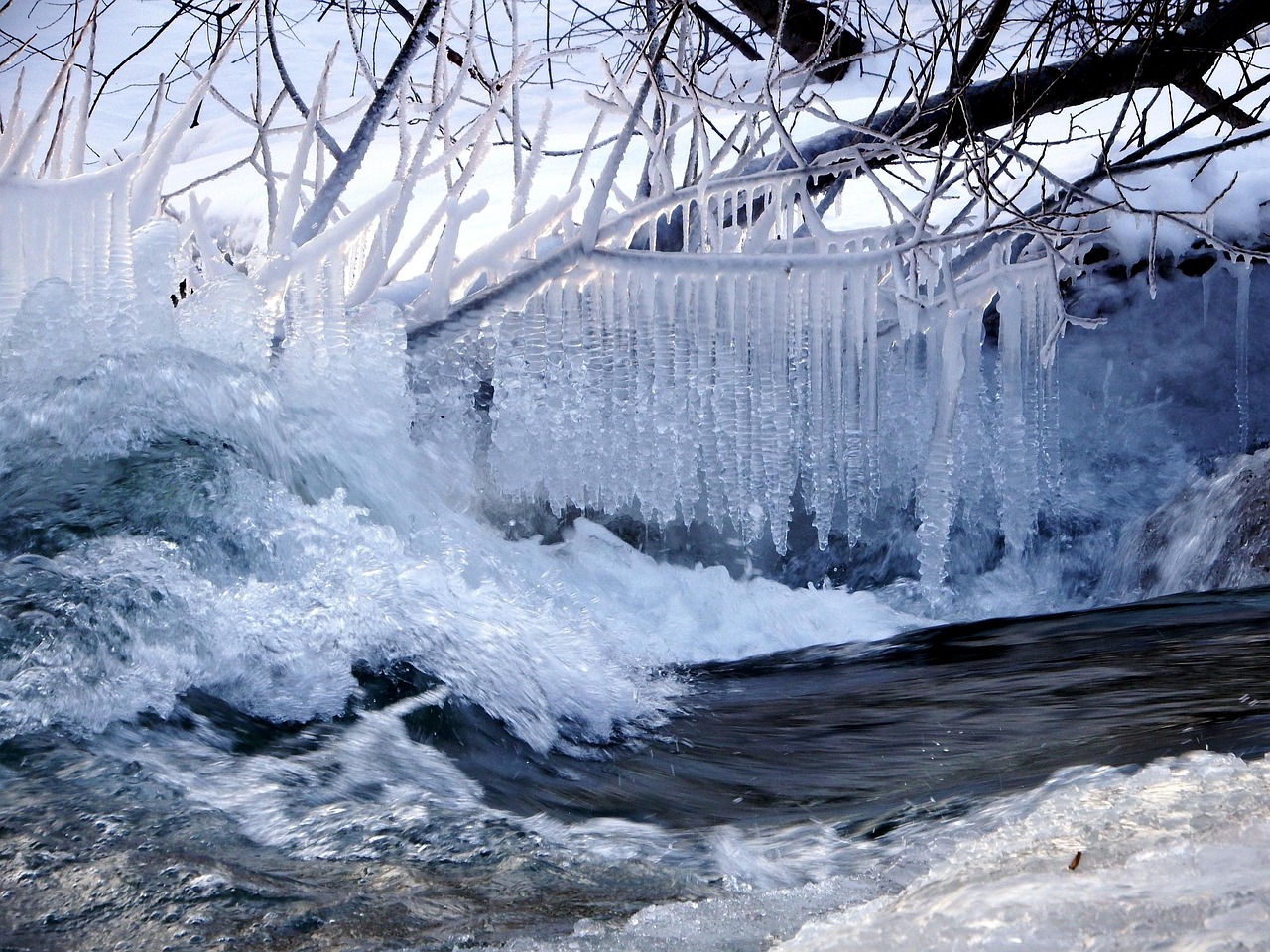
Missouri experiences an average of thirty to forty freeze-thaw cycles every winter. Arctic cold fronts plunge temperatures well below freezing, followed days later by sunny afternoons and thawing rains. When moisture infiltrates beneath a patio, it freezes into ice lenses that expand in volume by nine percent, pushing pavers and stone slabs upward in a process called frost heave.
Compounding this temperature swing is Missouri’s expansive clay subsoil. Heavy clays retain water stubbornly and drain slowly. Geotechnical engineers at the University of Missouri Extension caution that moisture trapped between pavers and dense clay softens the subgrade during spring thaws, causing pavers to sink unevenly under foot traffic. A free-draining, compacted aggregate base bridges the unstable subsoil and sheds water away from the patio foundation.
Best Aggregates for Freeze-Thaw Patio Bases
Building a frost-resistant paver patio requires a layered foundation engineered for stability and rapid moisture dispersion:
- 3/4″ minus base gravel → A graded mixture of 3/4-inch crushed limestone and stone dust. When compacted, the angular stones interlock into a rock-solid, six-inch foundation that resists frost movement.
- Stone dust → Fine pulverized limestone screenings. It is useful for tight joint filling, perimeter edging stabilization, and setting dry-cast flagstones.
- Concrete sand → Coarse, washed concrete sand with angular grains. It provides an unyielding, free-draining one-inch bedding layer that supports pavers without washing out or shifting.
Step-by-Step Frost-Resistant Patio Base Construction
Proper excavation, geotextile separation, and multi-lift mechanical compaction protect your patio from seasonal frost movement:
- Excavate the foundation: Dig out the patio area eight to ten inches below finished paver grade, extending excavation six inches beyond the perimeter. Homeowners in Kirkwood follow this perimeter extension rule to secure edge restraints.
- Shape slope away from house: Pitch the bare soil subgrade downward at a rate of one-quarter inch per linear foot away from exterior home walls.
- Install non-woven geotextile fabric: Lay commercial-grade non-woven geotextile fabric across the entire subgrade to prevent clay subsoil from mixing with gravel. Builders in Wentzville use geotextile fabric to eliminate subgrade pumping.
- Install base gravel in lifts: Spread 3/4-inch minus base gravel in two three-inch lifts, compacting each lift thoroughly with a heavy vibrating plate compactor. Contractors in Chesterfield compact base stone to ninety-eight percent density.
- Screed bedding sand: Place one inch of coarse concrete sand over the compacted base, using one-inch screed pipes to strike the sand flat without compacting it.
- Lay pavers and set joints: Place pavers on the sand, install rigid snap edging along perimeters, and vibrate pavers into the sand while sweeping stone dust into joints.
How Much Patio Base Material Do You Need?
Accurate material calculations prevent running out of gravel during installation. Crushed limestone base aggregates weigh approximately 1.4 to 1.5 tons per cubic yard. A patio measuring 15 feet by 20 feet (300 square feet) requiring a six-inch compacted base and one-inch sand bedding needs roughly 6 cubic yards (9 tons) of 3/4-inch minus base gravel and 1 cubic yard (1.5 tons) of concrete sand. Refer to our guide to 3/4-inch minus base gravel for exact calculators.
| Material | Project Depth | Estimated Coverage per Ton / Yard |
|---|---|---|
| 3/4″ minus base gravel | 6 inches | 50 to 65 sq ft per ton |
| Concrete sand bedding | 1 inch | 200 to 240 sq ft per ton |
| Stone dust joint fill | 1 to 2 inches | 150 to 200 sq ft per ton |
| Drainage stone backfill | 4 to 6 inches | 70 to 90 sq ft per ton |
Common Mistakes to Avoid Across Missouri
The most frequent error is building a shallow base of only two or three inches. In Missouri’s climate, shallow bases allow frost to penetrate directly into clay subsoil, causing severe heaving. Preparing for severe Missouri patio base freeze thaw cycles requires a minimum six-inch compacted gravel base. Another critical mistake is using fine playground sand or mason sand for bedding; fine sand retains water, expands when frozen, and washes away during heavy rainstorms. Always use coarse concrete sand.
Do not omit non-woven geotextile fabric beneath base gravel. Over multiple wet seasons, clay migrates up into stone voids, destroying the structural strength of your patio foundation.
Local Sourcing, Permitting, and Delivery Across Missouri
At-grade residential paver patios typically do not require building permits in Missouri municipalities, provided they do not cover utility easements or alter regional stormwater detention lines. If your project includes terraced multi-level retaining walls over four feet, consult local building inspectors.
When ordering patio aggregates, partner with established Missouri aggregate and stone delivery providers. Heavy dump trucks require clear, solid drop zones on driveways or street aprons. Mark delivery drop points with cones and protect driveway concrete with heavy tarps.
Frequently Asked Questions
How deep should a patio base be in Missouri?
A minimum compacted base depth of six inches of 3/4-inch minus gravel, plus one inch of bedding sand, is required to prevent frost heave in residential patios.
Can I use stone dust instead of concrete sand for bedding?
Concrete sand is preferred for bedding because its angular grains drain water and interlock with pavers. Stone dust is best used for filling paver joints.
Why do pavers heave and sink after winter?
Frost heave occurs when water gets trapped beneath pavers and freezes. As the ice expands, it forces pavers upward; when it melts, the softened base settles unevenly.
Do I need edge restraints around a paver patio?
Yes. Rigid plastic or aluminum edge restraints pinned with ten-inch steel spikes prevent the perimeter pavers and bedding sand from spreading outward under traffic.
Related Resources
- 3/4″ minus base gravel for solid patio foundations
- Pulverized stone dust for tight paver jointing
- Clean concrete sand for unyielding paver bedding
- Complete guide to patio base gravel installation
Final Thoughts
A paver patio represents a significant investment in your home’s outdoor living space, and its longevity depends entirely on what lies beneath the surface. Designing for Missouri patio base freeze thaw resilience with non-woven geotextile underlayment, deep compacted 3/4-inch minus base gravel, and coarse concrete sand bedding guarantees decades of level outdoor enjoyment. Explore complete patio base gravel services across Missouri to find certified limestone aggregates and reliable bulk delivery. Contact Simple Gravel today to calculate your material quantities and schedule prompt delivery.
SOURCES_USED:
University of Missouri Extension (Hardscaping and Frost Heave Prevention), Interlocking Concrete Pavement Institute (ICPI) Standards, Missouri Geologic Survey.











