




The Project in Dayton
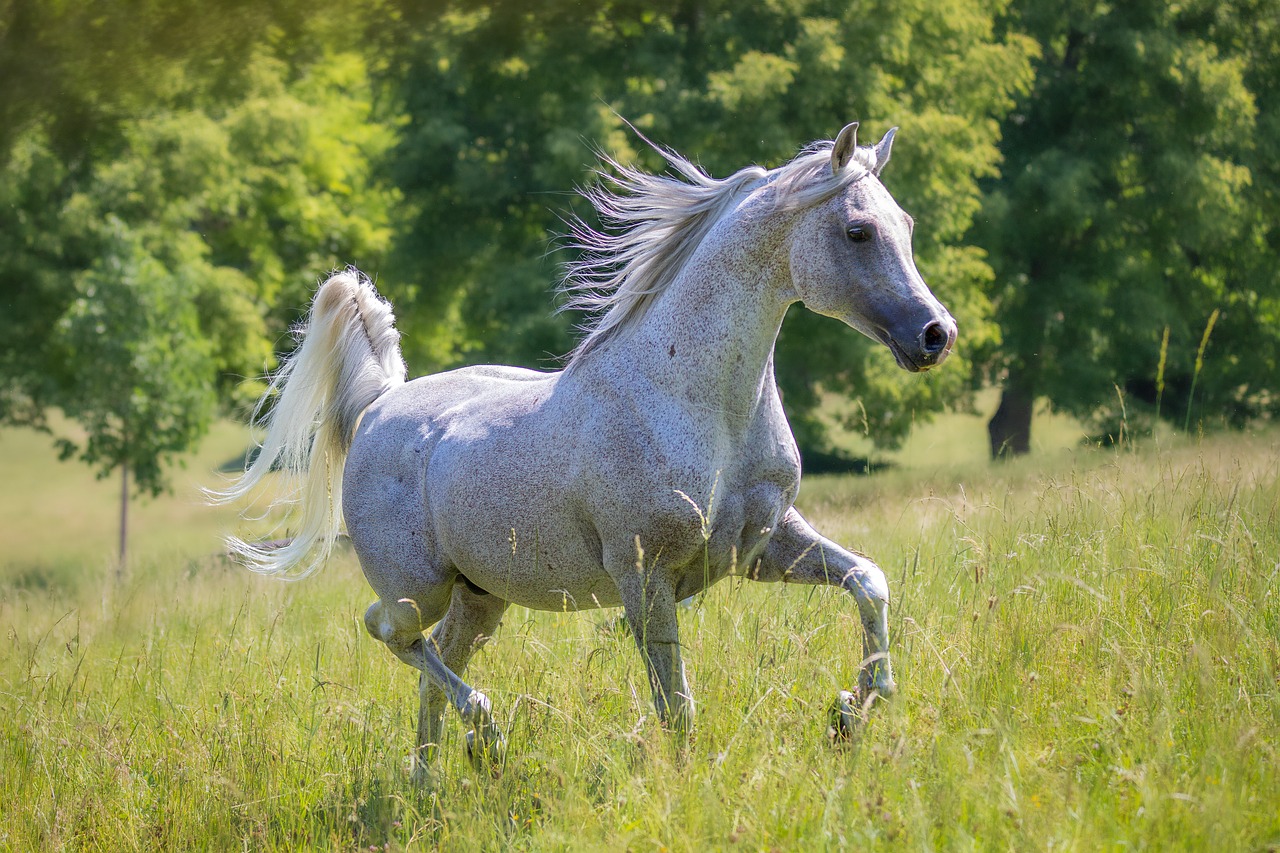
Situated along the Carson River corridor east of Carson City, Dayton is a haven for equestrian enthusiasts, hobby ranchers, and horse breeders. Spacious parcels in Mark Twain and Dayton Valley provide ideal acreage for barns, paddocks, and arenas. Managing high-desert soils for large animals presents major challenges. Unpaved paddocks and barn lanes turn into deep mud during winter rain, while baking into hardpan during summer heat. Sourcing dependable horse property gravel in Dayton provides the shock-absorbing foundation required to keep horses sound.
Creating safe horse footing requires structured base preparation and moisture-resistant aggregate layers. Implementing an engineered horse property gravel Dayton NV system with compacted road base foundation stone, cushioning stone dust, and clean fill sand prevents hoof bruising and eliminates chronic mud around gates and water troughs.
Why Dayton’s Soil and Climate Shape This Project
Dayton’s natural topography is shaped by the Carson River floodplain surrounded by arid desert foothills. Native soils range from fine silty alluvium along river bottomlands to coarse decomposed granite and alkaline clay hardpan on valley terraces. When saturated by winter storms or runoff from the Pine Nut Mountains, silty clays lose bearing strength, allowing heavy horse hooves to churn paddock soil into a deep, slippery slurry that promotes thrush and scratches.
In summer, Dayton experiences intense arid winds, ninety-plus degree heat, and single-digit humidity. Equine specialists at the University of Nevada Reno Extension emphasize that fine unamended dirt generates airborne dust clouds that trigger chronic equine respiratory issues like heaves. Installing a non-slip, compacted base topped with washed stone dust or angular sand provides cushioned hoof support, drains excess moisture, and resists wind erosion.
Best Aggregate Options for Horse Properties in Dayton
Equine facilities require specialized aggregates that offer structural support without compromising tendon and hoof safety:
- Stone dust → Finely crushed limestone or basalt screenings. It creates a smooth, shock-absorbing footing for riding arenas, round pens, and barn aisleways that compacts firmly while remaining forgiving on horse joints.
- Road base gravel → Coarse 1-inch to 1 1/2-inch crushed rock with fines. It is essential for constructing unyielding, load-bearing foundations beneath barn aprons, hay delivery lanes, and trailer turnarounds.
- Fill sand → Coarse, washed granular sand. It provides clean drainage bedding beneath stall mats, levels paddock run-ins, and blends into outdoor arenas to adjust footing cushioning.
Step-by-Step Paddock Lane and Arena Installation
Methodical excavation, geotextile containment, and layered compaction create an enduring equine surface:
- Clear and crown subgrade: Strip topsoil down to firm mineral subsoil, crowning with a one to two percent outward grade. Ranchers in nearby Silver Springs follow this slope standard.
- Install woven fabric: Lay woven stabilization fabric across paddock gates and lanes to prevent stone from sinking into clay.
- Install road base foundation: Spread four to six inches of road base gravel over fabric, moistening lightly and compacting with a roller.
- Add fill sand bedding: In stalls, spread two to three inches of fill sand to establish a flat base for rubber stall mats.
- Install stone dust footing: Spread three to four inches of washed stone dust across arenas, grading evenly with a drag.
- Moisten and roll: Lightly water stone dust and roll with a smooth drum roller to lock fines into place.
How Much Aggregate Do You Need for Horse Facilities?
Accurate material calculation prevents construction interruptions. Crushed stone base aggregates weigh approximately 1.4 tons per cubic yard. A turnout lane measuring twelve feet wide and 100 feet long (1,200 square feet) requiring a five-inch compacted base needs roughly 18.5 cubic yards, or about 26 tons of road base gravel. Consult our guide to stone dust materials for customized arena calculators.
| Material | Project Depth | Estimated Coverage per Ton / Yard |
|---|---|---|
| Stone dust footing | 3 to 4 inches | 70 to 90 sq ft per ton |
| Road base gravel | 4 to 6 inches | 50 to 65 sq ft per ton |
| Fill sand bedding | 2 to 4 inches | 80 to 100 sq ft per ton |
| Drainage stone (#57) | 4 to 6 inches | 70 to 90 sq ft per ton |
Common Mistakes to Avoid in Dayton
A frequent mistake is using coarse, unwashed river gravel in horse paddocks. Rounded river rocks roll under hooves, causing instability, slipped tendons, and stone bruises on the sole of the foot. Sourcing proper horse property gravel Dayton NV products like angular stone dust and compacted road base ensures safe footing and solid footing. Another common error is failing to crown lanes; flat lanes collect standing water around gate openings, recreating muddy conditions.
Do not install stall mats directly over uncompacted dirt. Uneven settling causes mats to shift, creating dangerous tripping lips and trapping ammonia beneath stalls.
Local Sourcing, Permitting, and Delivery in Dayton
Constructing open equestrian paddocks, riding arenas, and unpaved ranch lanes on private rural parcels does not require building permits in Lyon County. If your project includes covered barn structures or connects to public roadways, check with the Lyon County Building Department.
When booking aggregate delivery, partner with reliable Dayton arena gravel suppliers. Rural gates and lane entrances require adequate clearance for large tri-axle dump trucks. Designate a firm, dry drop zone away from horse enclosures prior to truck dispatch.
Frequently Asked Questions
What is the safest gravel for horse turnouts?
Compacted road base topped with three to four inches of fine stone dust provides the safest surface. It compacts into a firm, non-shifting base that protects hooves and tendons.
Can I use stone dust directly in riding arenas?
Yes. Stone dust is widely used as an arena base and footing because it provides firm traction, cushions hoof impact, and produces minimal airborne dust when watered.
How do I stop paddock gates from turning into mud pits?
Excavate six inches of soil, lay woven geotextile fabric, and backfill with four inches of compacted road base topped with two inches of stone dust to create a high-and-dry apron.
Is fill sand safe for horse paddocks?
Coarse fill sand is safe for bedding beneath rubber mats and as an arena additive. However, horses should never be fed hay directly on loose sand to prevent sand colic.
Related Resources
- Stone dust for cushioned equestrian footings
- Road base gravel for high-traffic barn lanes
- Clean fill sand for stall leveling and drainage
- Comprehensive guide to stone dust installation
Final Thoughts
A thoughtfully engineered horse property protects your valuable equine companions from lameness, keeps facilities clean and dry during winter mud seasons, and simplifies daily chores. Building your horse property gravel Dayton NV setup with compacted road base, heavy geotextile underlayment, and cushioning stone dust footing creates a durable equestrian facility that withstands daily hoof traffic. Explore complete Nevada aggregate and landscape stone delivery options to source certified quarry aggregates across Lyon County. Contact Simple Gravel today to calculate your material tonnages and schedule reliable delivery through trusted Dayton stone dust delivery specialists.
SOURCES_USED:
University of Nevada Reno Extension (Equine Facility Management & Footing in Arid Climates), Lyon County Public Works Standards, USDA NRCS Soil Survey (Carson River Basin).











