
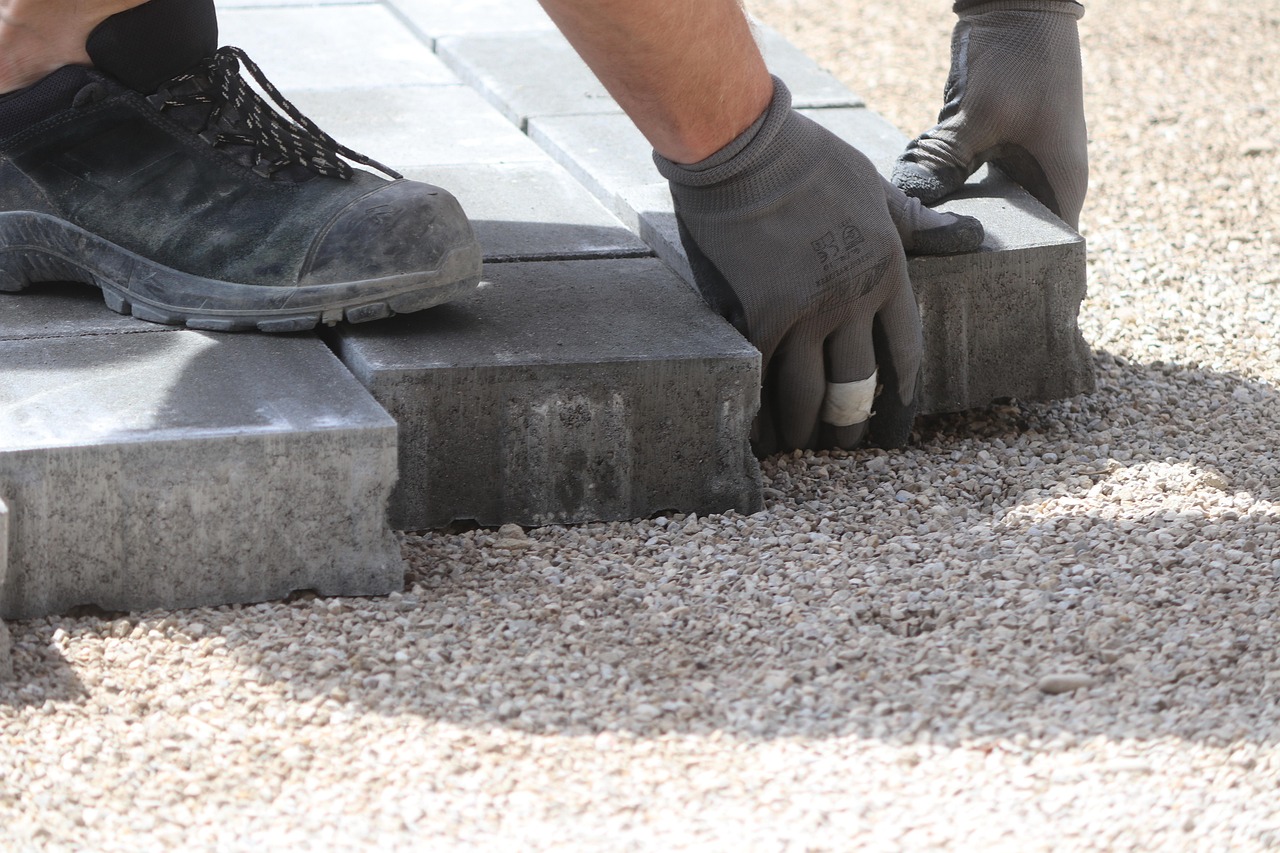
Constructing a flat, durable California paver patio base across residential outdoor living spaces requires building an engineered aggregate foundation and precision bedding sand layer. Whether laying modern large-format porcelain slabs in suburban backyards or traditional concrete interlocking pavers for an outdoor kitchen courtyard, pavers endure continuous foot traffic and outdoor patio furniture weight. Across California valleys and foothills, native subsoils frequently contain expansive clay or loose sandy sediments that shift, settle, and heave during wet winter storms. Placing pavers directly on native dirt or over a thin, uncompacted layer of stone dust leads to sunken patio corners, loose pavers, and dangerous tripping hazards. Understanding the engineered structural layers of a California paver patio base ensures your patio remains rock-solid, smooth, and well-drained for decades. Property owners and hardscape contractors can schedule rapid bulk deliveries through our California aggregate delivery page to secure dense base gravel, coarse concrete sand, and fine joint stone dust direct to their jobsite.
An engineered paver foundation distributes outdoor furniture loads across native subsoils, prevents uneven block settling, and directs rainwater safely into landscape drains.
To inspect California hardscape building codes, interlocking concrete pavement institute (ICPI) standards, and regional seismic patio construction guidelines, check:
Permeable Pavement and Interlocking Paver Engineering (Wikipedia)
Why Native Soils Demand an Engineered California Paver Patio Base
California ground conditions pose major challenges for exterior flatwork. Dense adobe clay expands violently when saturated during wet winter atmospheric river events, exerting upward pressure on patio surfaces. When dry summer weather returns, the clay shrinks and cracks, causing unsupported pavers to tilt and drop. Building an unyielding California paver patio base relies on excavating soft native soil and replacing it with multi-layered, compacted mineral aggregates.
Dense-graded 3/4-inch minus base gravel incorporates fractured stone chips and fine mineral dust that interlock under heavy plate compaction, forming a rigid, semi-impervious pad. Screeding a uniform one-inch bed of coarse concrete sand over the base provides an unyielding setting bed that locks paver knuckles securely. In busy inland communities like Rialto and coastal foothill towns like El Cajon, an engineered base profile prevents patio settlement during seismic tremors and winter rains.
- Dense interlocking foundation base gravel → 3/4″ minus base gravel
- Sharp angular screeding bedding sand → Concrete sand
- Fine locking joint stabilizing grit → Stone dust
- Perimeter edge drain collector rock → #57 stone
The Three Structural Courses of a Paver Patio System
Layering distinct aggregate sizes over heavy geotextile separation fabric prevents paver rutting and eliminates weed intrusion between patio joints.
| Patio Layer | Recommended Aggregate | Structural Purpose and Performance |
|---|---|---|
| Structural Base Course (4″ to 6″) | 3/4″ Minus Base Gravel | Compacts to 98% density, creating a rigid platform that distributes weight and resists shifting. |
| Bedding Setting Course (Strictly 1″) | Coarse Concrete Sand (ASTM C33) | Sharp angular grains bed paver bottoms without compacting unevenly or washing out. |
| Joint Infill and Stabilization | Fine Stone Dust or Polymeric Sand | Fills vertical paver joints, transferring lateral loads between blocks and locking patterns. |
| Subgrade Geotextile Membrane | Heavy Non-Woven Geotextile | Stops base rock from pushing down into soft clay while allowing groundwater drainage. |
Excavation, Slope, and Base Compaction Steps
Begin patio construction by excavating existing turf and soil to a total depth of seven to nine inches. This accommodates four to six inches of compacted base gravel, one inch of bedding sand, and the thickness of your patio pavers. Slope the excavated subgrade at a minimum rate of one-quarter inch per linear foot away from exterior home walls toward yard drainage.
Lay non-woven geotextile fabric across the entire excavation, extending it up the trench walls. Spread 3/4-inch minus base gravel in two-inch lifts, lightly misting each lift with water before running a commercial vibrating plate compactor over it. Make three to four passes per lift, checking with a string level to ensure a smooth, uniform slope. Check our 3/4-inch minus base gravel material guide for specialized compaction methods and edge restraint installation guidelines.
Screeding Bedding Sand and Sweeping Joint Dust
Lay two parallel one-inch diameter metal pipes across the compacted base gravel. Spread coarse concrete sand over the pipes, then pull a straight aluminum screed board across the pipes to create a perfectly flat, uncompacted one-inch bedding layer. Never walk on or compact screeded sand before placing pavers.
Set pavers into the sand in your chosen pattern, keeping joints between one-sixteenth and one-eighth inch wide. Install commercial snap-edge restraints anchored with ten-inch steel spikes along all open perimeter borders. Sweep fine stone dust into the joints, then run a plate compactor fitted with a protective rubber pad over the pavers to lock them firmly into the bedding sand. Homeowners in older urban neighborhoods like East Los Angeles appreciate how sand-set pavers withstand minor ground settling without cracking.
Benefits of Bulk Aggregate Delivery Across California
- Quarry haulers dump multi-ton loads of base gravel and bedding sand directly on your driveway.
- Drastically reduces aggregate costs compared to purchasing small 50-pound store bags.
- Consistent particle gradation meets ICPI requirements for long-term patio durability.
- Skilled drivers place bulk materials conveniently to expedite wheelbarrow transport.
Calculating Aggregate Quantities for Paver Patios
Accurate material estimation prevents running short on base rock during critical compaction phases. Measure patio length in feet by width in feet to determine square footage. Multiply square footage by planned thickness in inches, then divide by 324 to establish cubic yards. Crushed stone and sand weigh roughly 1.4 tons per cubic yard.
For example, if building a 400-square-foot patio with a 4-inch compacted base of 3/4-inch minus and a 1-inch bedding layer of concrete sand: Base gravel volume is (400 × 4 ÷ 324) = 4.94 cubic yards (approx. 6.9 tons). Bedding sand volume is (400 × 1 ÷ 324) = 1.23 cubic yards (approx. 1.7 tons). Ordering eight tons of base gravel and two tons of concrete sand covers compaction loss and edge leveling.
Frequently Asked Questions
Can I use stone dust instead of concrete sand for the bedding layer?
No, stone dust holds moisture and turns spongy when saturated; always use coarse, angular concrete sand (ASTM C33) for bedding.
How thick should a paver patio base be for pedestrian traffic?
A compacted thickness of four inches of 3/4-inch minus base gravel over geotextile fabric provides excellent stability for pedestrian patios.
Why do pavers sink or become uneven over time?
Pavers sink when installed over uncompacted dirt, when bedding sand exceeds one inch in depth, or when geotextile fabric is omitted.
Should I seal paver joints after installation?
Applying a breathable joint stabilizing sealer locks joint stone dust in place, stops weed growth, and prevents sand washout during rain.
Final Thoughts
Building an elegant paver patio that endures decades of California weather and outdoor entertaining begins with meticulous base excavation and high-density aggregate compaction. By layering 3/4-inch minus base gravel over geotextile fabric, screeding coarse concrete sand, and locking joints with fine stone dust, your outdoor patio remains level, beautiful, and trip-free. Find your California delivery area here to schedule bulk delivery of paver base gravel, concrete sand, and joint dust directly to your home.











