




Establishing a vibrant, drought-resistant hybrid Bermuda or tall fescue lawn near the Orange County boundary requires laying nutrient-rich topsoil for sod La Palma CA using screened topsoil, dark compost soil, and compactable fill dirt. In La Palma, California, residential properties feature compact suburban lots where original subdivision grading left heavily compacted subsoils mixed with construction debris and dense clay. Laying fresh sod rolls directly over compacted, nutrient-depleted dirt causes shallow rooting, fungal root rot, and rapid turf browning during summer heat. Sourcing premium topsoil for sod La Palma CA creates a loose, biologically active four-to-six-inch root bed that allows turfgrass roots to penetrate deeply, absorb irrigation water efficiently, and establish a thick green carpet. Combining finely screened topsoil, organic compost soil, and clean fill dirt produces the ideal loamy planting surface that eliminates lawn depressions. Property owners can schedule rapid bulk deliveries through our La Palma aggregate delivery page to secure screened topsoil, compost, and fill dirt direct to their driveway.
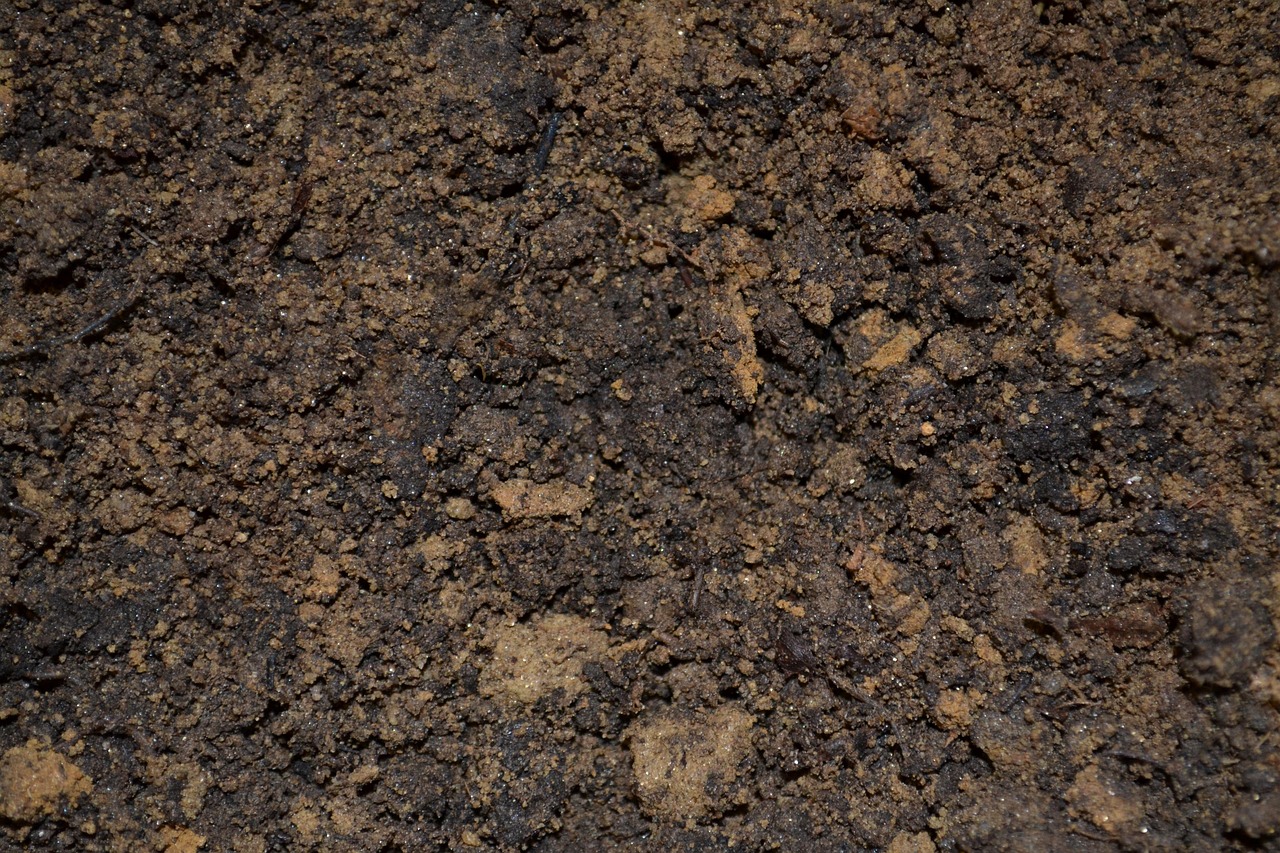
Spreading a four-inch bed of screened topsoil blended with organic compost provides the vital root zone needed for fast sod establishment and drought resilience.
To inspect turfgrass agronomy standards, soil preparation for sod installation, and subgrade grading specifications, check:
Sod Cultivation and Lawn Soil Preparation Standards (Wikipedia)
Why Compacted Subdivision Dirt Demands Topsoil for Sod La Palma CA
La Palma features flat alluvial topography where residential yards have been graded repeatedly over decades. Heavy equipment compaction during housing construction leaves subsoil dense and virtually impermeable. When new sod is rolled onto this hard surface, turf roots cannot penetrate the subgrade, leading to water runoff into city gutters and rapid lawn starvation. Applying engineered topsoil for sod La Palma CA provides fresh, rock-free loam that encourages turfgrass root systems to establish within ten to fourteen days.
Finely screened topsoil delivers the ideal balance of sand, silt, and natural clay that holds moisture without becoming sticky mud. Dark compost soil infuses beneficial mycorrhizal fungi and humic acid that stimulate root development and reduce synthetic fertilizer requirements. Clean fill dirt provides economical bulk volume for leveling deep holes, settling trenches, and building gentle lawn crowns before applying the topsoil dressing. In nearby California communities like Cherryland, property owners revitalize tired lawns with bulk topsoil deliveries.
- Finely screened natural loam free of rocks and debris for optimal sod rooting → Screened topsoil
- Dark aged organic compost for soil enrichment and moisture-holding biology → Compost soil
- Clean compactable subgrade material for filling deep ruts and leveling yard depressions → Fill dirt
- Clean drainage stone for foundation perimeter swales → #57 stone
Recommended Soil Cross-Section for Sod Installation
Consult this horticultural turf schedule to layer fill dirt, screened topsoil, and organic amendments for a flat, fast-rooting lawn installation.
| Lawn Preparation Zone | Recommended Soil Grade | Target Thickness and Functional Role |
|---|---|---|
| Deep Low Spots and Trenches | Unscreened Fill Dirt | As needed; compacted in 4-inch lifts to bring low depressions flush with subgrade. |
| Scarified Native Subgrade | Native Soil Tilled with Compost | Tilled 2 to 3 inches deep; relieves subsoil compaction and binds with new topsoil. |
| Primary Sod Rooting Bed | Premium Screened Topsoil (70/30 Compost) | 4 to 6 inches uniform spread; provides loose, stone-free loamy bed for deep turf roots. |
| Finished Sod Layer | Fresh Hybrid Bermuda or Fescue Sod | 1 to 1 1/2 inches thick; rolled with a water drum roller to eliminate air pockets. |
Grading, Tilling, and Spreading Topsoil Before Sodding
Begin lawn preparation by stripping old dead turf, weeds, and surface stones. Grade the subsoil so that it slopes gently away from home foundations toward sidewalk gutters. Run a rotary tiller across the yard to loosen the top two to three inches of compacted subsoil, breaking up hardpan and allowing new roots to penetrate deeper.
Spread four to six inches of screened topsoil blended with thirty percent organic compost across the entire lawn area. Rake the soil smooth using a wide aluminum landscape rake, removing any remaining clods and establishing a grade one inch below adjacent paved walkways to allow for sod roll thickness. Lightly roll the soil with an empty water roller to firm the bed without over-compacting. Lay fresh sod immediately in a staggered brick pattern. When ordering materials through our La Palma soil delivery portal, bulk drop placement keeps materials convenient to your lawn staging area. Review our detailed screened topsoil material guide for specialized soil fertility testing and sod establishment watering schedules.
Establishing the Irrigation Network
Before spreading topsoil, audit your underground sprinkler system. Install matched-precipitation rotary nozzles to ensure even coverage, and verify that sprinkler heads are set to finish flush with the top of the new sod layer.
Benefits of Bulk Soil Delivery in La Palma, CA
- Delivers full multi-cubic-yard transfer truckloads directly to your driveway or lawn pad.
- Far cheaper than hauling dozens of expensive, heavy 40-pound retail bags across town.
- Consistently screened organic loam ensures zero rocks, glass, or invasive weed roots.
- Experienced drivers drop material neatly on driveways or tarps convenient to wheelbarrows.
Calculating Lawn Topsoil Volume Accurately
Accurate material calculation prevents project halts from running out of topsoil on sod installation day. Measure your lawn length in feet by width in feet to determine square footage. Multiply square footage by planned topsoil depth in inches, then divide by 324 to establish cubic yards. Quality screened topsoil and compost blends weigh approximately 1.15 to 1.25 tons per cubic yard.
For example, to prepare an 800-square-foot residential front yard with 4 inches of screened topsoil: Multiply 800 by 4 to reach 3,200. Divide 3,200 by 324 to determine 9.88 cubic yards. Multiply 9.88 cubic yards by 1.2 tons per cubic yard to find 11.85 tons. Ordering 10.0 cubic yards (approximately 12 tons) ensures complete four-inch coverage and compensates for light rolling consolidation.
Frequently Asked Questions
Can I lay new sod directly over my existing lawn or weeds?
No, laying sod over existing grass or weeds prevents new roots from anchoring into the soil; old turf must be stripped and replaced with fresh screened topsoil.
How thick should topsoil be beneath new sod?
A minimum of four to six inches of loose, nutrient-rich screened topsoil is required to allow grass roots to develop the depth needed to survive hot summer temperatures.
Why should I blend compost into screened topsoil for sod?
Compost adds vital organic matter and beneficial microorganisms that hold moisture and release nutrients slowly to tender new sod roots.
How soon after laying topsoil should sod be installed?
Install sod immediately after spreading and grading topsoil; leaving fresh topsoil exposed allows weed seeds to germinate and permits soil moisture to evaporate.
Final Thoughts
Laying a rich, loose topsoil foundation ensures your new sod establishes deep roots, stays green through summer heat, and resists weed invasion. By tilling compacted subgrade, spreading screened topsoil blended with organic compost, and rolling the bed smooth, your topsoil for sod La Palma CA project establishes a lush, durable lawn that enhances your home for years to come. Find your La Palma delivery area here to schedule bulk delivery of screened topsoil, compost, and fill dirt directly to your property.











