




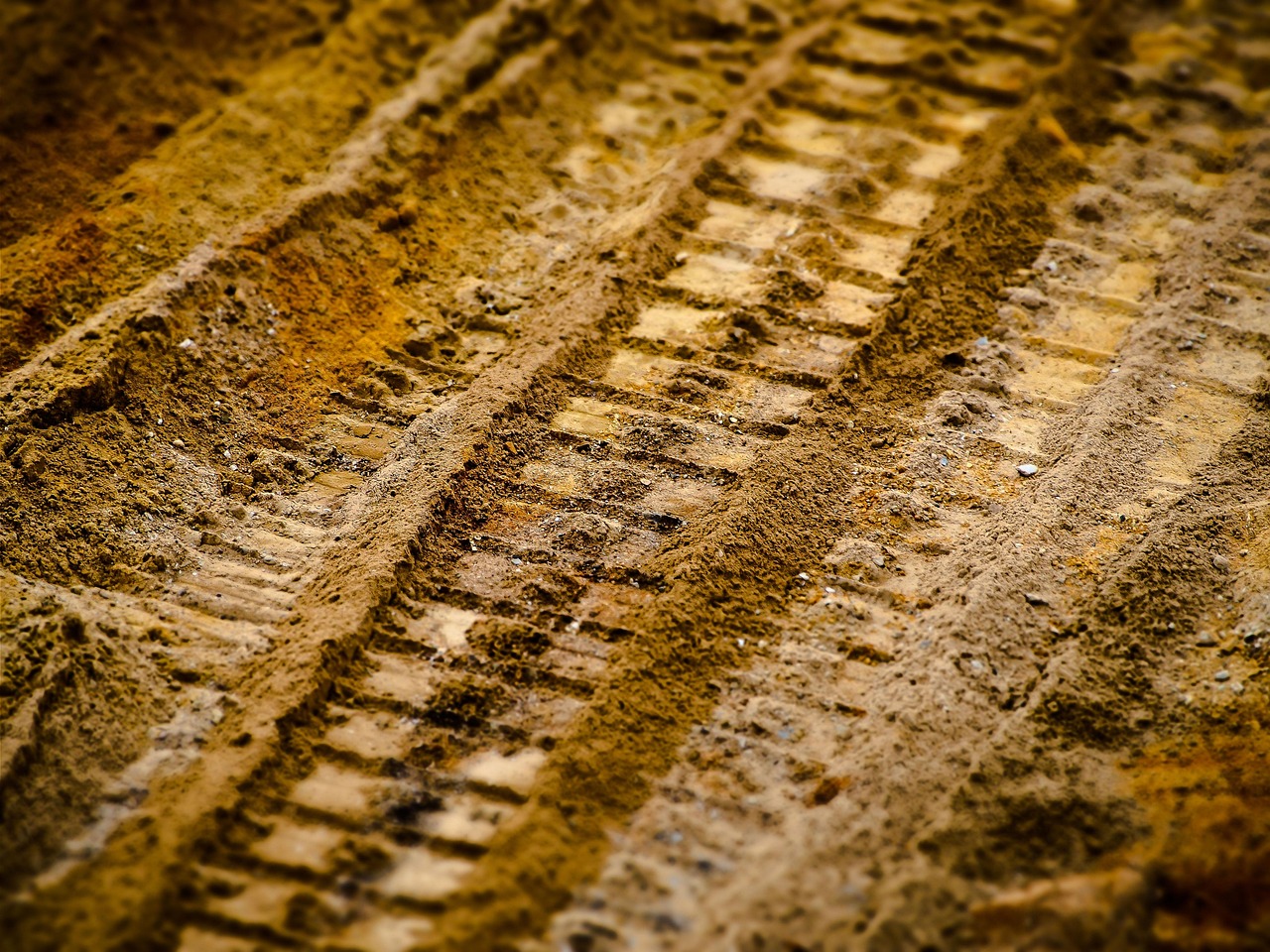
Parking heavy recreational motorhomes, fifth-wheel campers, or utility trailers on unpaved lawn grass causes deep tire ruts, cracked underground pipes, and vehicles stuck in slick Georgia mud. Constructing an engineered camper parking pad Barnesville GA homeowners rely on establishes an unyielding, permeable parking berth capable of supporting massive axle weights across Lamar County properties.
Located in middle Georgia between Griffin and Forsyth, Barnesville is renowned for the annual Buggy Days festival, historic homes, and expansive rural properties. Local subsoils feature dense Cecil red clay with high moisture sensitivity. When an RV weighing five to ten tons parks on bare lawn sod, concentrated axle loads force tires deep into the soil. During rainy spells, wet clay turns into slick grease, causing trailer jacks to sink and tires to spin helplessly when pulling out. Pouring a massive concrete slab is expensive and often cracks when underlying clay expands and contracts with seasonal changes. Constructing a heavy-duty aggregate parking pad using compacted crushed run or crushed concrete over geotextile fabric provides a rock-solid, rut-free platform that drains storm runoff naturally. Sourcing bulk aggregates through our reliable Barnesville aggregate delivery service brings quarry-clean crushed stone directly to your side yard.
Engineering Standards for a Camper Parking Pad Barnesville GA Properties Need
Large recreational vehicles produce static ground contact pressures exceeding eighty pounds per square inch beneath dual rear tires and hydraulic leveling jacks.
Civil engineering guidelines published by the University of Georgia Extension show that unconfined clay loses fifty percent of its bearing strength when fully saturated. Installing a certified camper parking pad Barnesville GA conditions require involves stripping spongy topsoil, laying commercial geotextile fabric, and compacting an angular aggregate base that distributes heavy axle loads broadly across subgrade soils.
The Four Structural Layers of a Heavy-Duty Camper Pad
A reliable recreational vehicle parking pad requires four balanced construction tiers:
- Excavated Subgrade Foundation: Six to eight inches of topsoil stripped down to firm, unyielding red clay and crowned for positive water runoff.
- High-Strength Geotextile Membrane: Heavy woven geotextile fabric that prevents crushed stone from being swallowed by soft underlying clay.
- Compacted Structural Sub-Base: Four to six inches of crushed run or crushed concrete rolled to maximum Proctor density.
- Clean Surface Wearing Course: Two inches of washed #57 clean stone providing traction, clean appearance, and rapid drainage.
Comparing Base Materials for RV Parking Pads
Evaluating physical characteristics ensures you select aggregates engineered for heavy vehicular loads:
| Aggregate Product | Composition & Density | Parking Pad Function |
|---|---|---|
| Crushed Run | Angular crushed limestone with mineral fines | Dense base foundation; compacts into an unyielding, rut-free sub-base |
| Crushed Concrete | Recycled 3/4″ minus aggregate with binder | Economical heavy-duty base; self-cementing fines form a solid slab |
| #57 Stone | 3/4-inch washed clean crushed limestone | Surface topping; clean, dust-free driving course that drains storm runoff |
| Loose Pea Gravel | Rounded uncrushed river stones | Unsuitable; shifts under heavy tires and causes trailer jack sinking |
Step-by-Step Construction of Your Camper Pad
Proper excavation and compaction guarantee your parking pad remains level under multi-ton vehicles:
- Excavate Pad Footprint: Stake out a pad measuring at least twelve feet wide and ten feet longer than your RV. Dig out six to eight inches of turf down to firm clay.
- Grade Gentle Crown: Establish a two-percent center crown directing surface runoff toward exterior side swales.
- Pin Geotextile Membrane: Spread heavy-duty geotextile fabric across the entire floor, overlapping adjoining seams by eighteen inches to stop stone sinking.
- Install and Compact Base: Distribute crushed run in three-inch lifts, dampening lightly with water and rolling thoroughly with a heavy vibratory compactor.
- Spread Surface Aggregate: Apply a uniform two-inch top layer of washed #57 stone to create a neat, mud-free parking surface.
Property owners in central Georgia communities like Conley use this exact aggregate layering method to construct heavy equipment parking pads on soft soils.
Quarry Aggregates Available for Local Delivery
We deliver certified aggregates engineered for heavy parking pads, driveways, and equipment berths:
- Crushed run → Angular crushed limestone containing graded rock fines that compacts into an unyielding vehicular foundation.
- #57 stone → Washed clean crushed rock that forms a crisp, mud-free top layer that drains water rapidly.
- Crushed concrete → Economical recycled base aggregate with self-cementing fines ideal for large vehicle parking berths.
Explore base thickness specifications, soil compaction tips, and drainage grading in our complete guide to crushed run before ordering your bulk materials.
Calculating Camper Pad Gravel Volume and Tonnage
Accurate material calculations ensure full pad depth without unexpected delivery shortages:
Cubic Yards Formula: Length (ft) × Width (ft) × Depth (ft) ÷ 27 = Cubic Yards
Tonnage Formula: Cubic Yards × Density Factor = Tons Required (1.40 for Crushed Run, 1.35 for #57 Stone)
For example, planning a parking pad measuring 36 feet long by 14 feet wide (504 square feet) with a 5-inch (0.417 ft) crushed run base and a 2-inch (0.167 ft) #57 stone top layer:
Base Layer: 504 sq ft × 0.417 ft = 210.17 cubic feet ÷ 27 = 7.78 cubic yards.
7.78 cubic yards × 1.40 = 10.89 tons of crushed run base.
Top Layer: 504 sq ft × 0.167 ft = 84.17 cubic feet ÷ 27 = 3.12 cubic yards.
3.12 cubic yards × 1.35 = 4.21 tons of #57 stone.
Ordering 11.5 tons of crushed run and 4.5 tons of #57 stone covers the parking pad completely with margin for border transitions. Building a dependable camper parking pad Barnesville GA properties require protects expensive motorhomes and trailers from settling. Reach out to our order desk to schedule your bulk RV pad gravel delivery in Barnesville today.
Frequently Asked Questions About Camper Parking Pads
Can hydraulic RV leveling jacks sit directly on gravel?
While an engineered crushed run pad supports heavy loads, always place thick plastic jack pads or wooden blocks beneath leveling jacks to disperse concentrated point pressure evenly.
Why is crushed run superior to plain dirt for parking an RV?
Crushed run contains graded limestone particles that bind mechanically under compaction, creating a rock-solid platform that will not turn to mud during rainy periods.
Do I need border timbers around an aggregate camper pad?
While not strictly mandatory, installing heavy timber or concrete borders contains the surface stone along edges and prevents gravel from scattering into your lawn.
How thick should the aggregate base be for a ten-ton motorhome?
For motorhomes and large fifth wheels exceeding ten tons, install a minimum six-inch compacted crushed run base topped with two inches of clean stone over heavy geotextile fabric.
Schedule Bulk Aggregate Delivery in Barnesville, GA
Protect your recreational vehicles with certified crushed aggregates delivered straight to your property. Serving all Barnesville neighborhoods, from historic downtown along Forsyth Street to rural acreage along Highway 341 and Zebulon Road, our truck fleet provides clean placement. Call our knowledgeable Barnesville stone delivery specialists today to schedule your bulk drop.











