
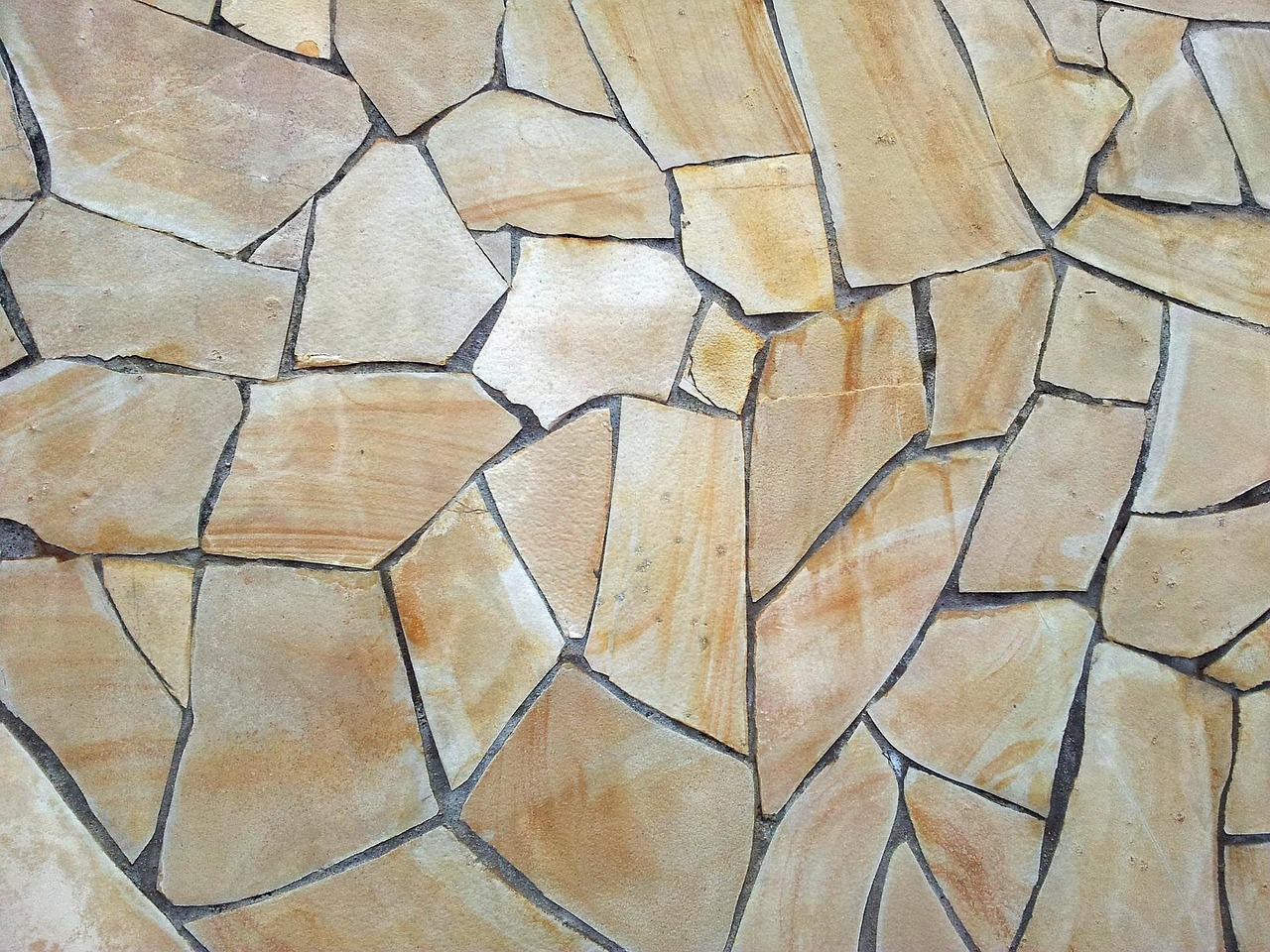
Constructing a Timeless Natural Stone Garden Walkway Over a Compacted Mineral Base
A natural stone stepping-stone path meandering through lush backyard plantings or connecting a patio to a garden shed adds unmatched organic beauty to suburban properties. However, laying heavy irregular flagstones directly on soft turf or garden dirt leads to frustrating problems. As soil absorbs rain, stones wobble underfoot, collect standing puddle water, and gradually sink into the mud. Constructing a durable flagstone path Audubon NJ homeowners design relies on a structured aggregate foundation featuring dense base stone and a moldable stone dust bedding course. Audubon is an established residential borough in Camden County outside Philadelphia, where historic neighborhood lots and clay-loam soils experience freeze-thaw cycles that push unanchored stones out of alignment. Without a compacted gravel sub-base, walking on shifting stones becomes hazardous. Scheduling direct aggregate delivery through Audubon aggregate delivery brings screened stone dust, compactable base gravel, and walkway stone straight to your property.
A properly prepared natural stone pathway combines non-woven geotextile soil separation, a compacted crushed stone foundation, and a moldable one-inch stone dust bed that contours to varying stone thicknesses.
Engineering Standards for a Flagstone Path Audubon NJ Yards Demand
Unlike uniform machine-cut concrete pavers, natural quarried flagstones vary in thickness from one to two and a half inches. Laying them on a rigid concrete slab often causes stones to crack under point loads, while coarse sand lacks the fine binding dust needed to hold irregular stone bottoms.
The solution is setting flagstones over a dense, moldable aggregate matrix. After excavating four to six inches deep, the trench is lined with commercial non-woven geotextile fabric. A three-inch base of 1/4-inch minus base gravel or walkway gravel is deposited and compacted thoroughly. On top of the base, a one to two-inch layer of damp stone dust is screeded. Stone dust contains fine limestone screenings that pack firmly yet remain easily workable, allowing installers to hollow out depressions for thicker stones and build up bedding beneath thinner slabs. Once the flagstones are positioned, additional stone dust or fine walkway chips are swept into the joints, locking the irregular slabs into a continuous, non-shifting path. The Rutgers NJAES recommends utilizing permeable aggregate bases and flexible stone dust setting beds for residential footpaths to maintain natural stormwater infiltration and prevent soil compaction around tree root zones. When building a flagstone path Audubon NJ gardeners create, choosing stone dust bedding ensures an unyielding, level walking surface.
Key standards for flagstone path installation include:
- Flexible Bedding: Stone dust molds to uneven underside profiles of quarried flagstone, eliminating hollow rocking points.
- Sub-Base Separation: Non-woven geotextile fabric prevents fine stone dust from filtering down into native Camden County clay.
- Walkway Width: Build paths thirty to thirty-six inches wide to allow comfortable single-person passage through gardens.
- Joint Stabilization: Sweep fine stone screenings or polymeric sand between stones to prevent weed germination.
Recommended Bulk Aggregates for Flagstone Paths
Selecting clean, finely graded aggregates ensures effortless stone setting and permanent path stability. Review our top bulk materials:
- → Stone dust: Finely pulverized limestone screenings that compact rock-hard while molding easily to irregular stone undersides.
- → 1/4″ minus base gravel: Dense-graded crushed stone aggregate that compacts into an unyielding sub-base foundation slab.
- → Walkway gravel: Clean 3/8-inch crushed stone chips ideal for filling wide decorative joints between rustic stepping stones.
Consult our detailed stone dust material guide to understand compaction density, moisture blending, and joint application methods.
Walkway Foundation Material Comparison
Compare the functional performance of common path bedding materials to select the ideal mix for your Audubon yard:
| Material Type | Primary Function | Performance Characteristics |
|---|---|---|
| Screened Stone Dust | Primary flagstone setting and joint filler | Packs dense like mortar, molds to stone bottoms, resists weed intrusion |
| 1/4″ Minus Base Gravel | Core load-bearing path foundation | High structural density, bridges soft clay subsoils, drains excess rain |
| Walkway Gravel (3/8″) | Decorative permeable joint fill | Clean angular chips, comfortable under foot, allows fast water percolation |
| Play Sand | General sandbox use only | Too soft and rounded; washes away in rain, allowing flagstones to wobble |
Step-by-Step Flagstone Path Construction Process
Follow these proven field steps to build a durable, wobble-free natural stone garden walkway:
- Trace and Excavate the Route: Lay out garden hoses to define smooth walkway curves, excavating five inches deep down to native mineral soil.
- Roll Out Geotextile Membrane: Line the trench with non-woven landscape fabric to stop stone dust from sinking into native mud.
- Deposit and Tamp Base Stone: Spread three inches of 1/4-inch minus base gravel, compacting firmly with a hand tamper.
- Screed Stone Dust Bed: Spread one to two inches of damp stone dust, raking smooth across the walkway footprint.
- Set and Level Flagstones: Place stones with consistent two-inch joints, using a rubber mallet to seat each stone flat and level.
Managing Soil Drainage and Seasonal Weather in Camden County
Audubon experiences freezing winter temperatures, spring rains, and humid summer weather. Wet clay subgrades can soften under stepping stones if water is trapped. Homeowners can easily schedule aggregate delivery in Audubon to receive bulk stone dust and base gravel directly on their driveway. Landscapers in Closter, NJ and across the state utilize identical stone dust setting methods to install enduring natural flagstone pathways.
Calculating Walkway Aggregate Quantities
Accurate path measurements ensure you order sufficient stone dust and base gravel without delays:
Measure the length and width of your planned path in feet. For example, a garden path measuring 40 feet long by 3 feet wide covers 120 square feet. For a 4-inch total aggregate depth (0.33 feet), calculate total cubic feet:
120 x 0.33 = 39.6 cubic feet
Convert cubic feet to cubic yards by dividing by 27:
39.6 / 27 = 1.47 cubic yards
Compacted stone dust and base gravel weigh approximately 1.4 tons per cubic yard:
1.47 x 1.4 = 2.06 tons of aggregate
Splitting this order into 1.25 tons of base gravel and 1 ton of stone dust ensures sufficient material for bedding and joint filling.
Frequently Asked Questions
Why is stone dust better than sand under flagstone?
Stone dust contains angular micro-fines that pack into a firm, cohesive bed that contours to varying stone thicknesses, preventing wobble and joint washout.
Do I need edging along a flagstone walkway?
While natural flagstone can be edged with turf, installing steel or plastic landscape edging keeps stone dust and gravel joints tightly contained.
Can weeds grow through stone dust joints?
Stone dust packs very tight, which strongly suppresses weed roots; adding non-woven geotextile fabric beneath prevents native weeds from pushing up from below.
How thick should flagstones be for a walking path?
Select flagstones one and a half to two inches thick; thinner stones are prone to cracking under pedestrian foot traffic.
Order Your Audubon Walkway Aggregates Today
Create a beautiful, enduring natural stone pathway that enhances your garden for years to come. We deliver high-grade stone dust, compactable base gravel, and decorative aggregates directly to homes throughout Camden County. Contact our staff to coordinate your Audubon bulk gravel delivery today.











