
Preparing an unyielding foundation pad for a detached guest house or casita in the Coachella Valley requires mastering backyard ADU site prep Rancho Mirage CA using compacting 3/4-inch minus base gravel, bulk fill dirt, and clean #57 stone. In Rancho Mirage, California, golf estates feature desert sands that shift under seasonal flash floods and desert heat. Pouring concrete slabs directly on uncompacted blow sand leads to differential foundation settlement and plumbing pipe shearing. An engineered backyard ADU site prep Rancho Mirage CA project establishes an unyielding structural subbase that distributes building loads, provides perimeter drainage, and guarantees code-compliant slab support. Sourcing dense 3/4-inch minus base gravel, cohesive fill dirt, and washed #57 stone ensures your cottage pad remains stable for decades. Homeowners and contractors can schedule rapid bulk deliveries through our Rancho Mirage aggregate delivery page to secure building base gravel and fill direct to their job site.
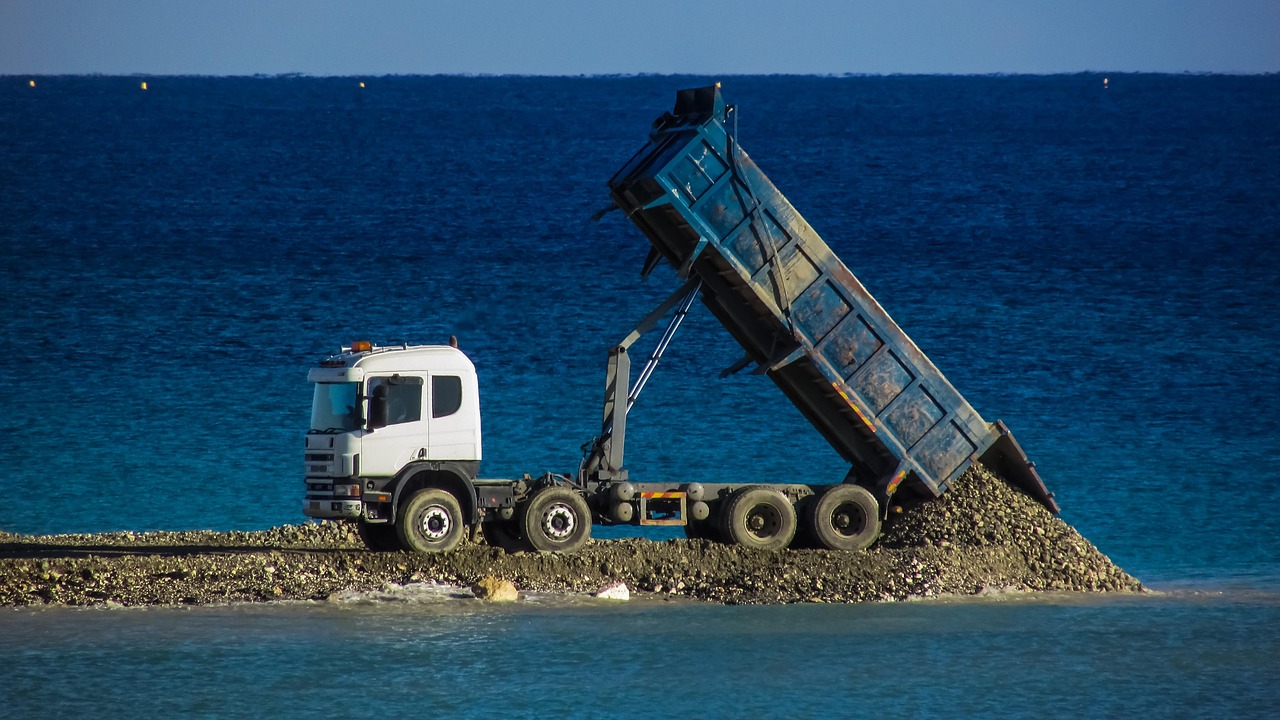
Compacting dense crushed stone base and cohesive subsoil fill creates an unyielding structural platform for backyard accessory dwelling units.
To inspect residential accessory dwelling unit building codes, structural slab foundation standards, and compaction testing criteria, check:
Accessory Dwelling Unit Foundation and Site Preparation Standards (Wikipedia)
Why Desert Soils Demand Backyard ADU Site Prep Rancho Mirage CA
Rancho Mirage sits within an active seismic desert basin where native ground consists of fine blow sand underlain by loose gravels. Wind-blown sand provides poor bearing capacity and settles significantly when wet. In addition, intense summer air temperatures bake uncompacted subgrades, leading to uneven moisture loss and shrinkage beneath concrete footings. Implementing professional backyard ADU site prep Rancho Mirage CA replaces loose surface sand with a densely compacted aggregate platform that provides uniform bearing capacity exceeding two thousand pounds per square foot.
Dense 3/4-inch minus base gravel blends fractured crushed stone with fine mineral binders to form an unyielding structural pad that resists shifting under heavy concrete slabs. Cohesive fill dirt provides an economical bulk material for raising pad elevations and leveling sloping desert terrain prior to stone placement. Clean #57 stone provides free-draining perimeter trench backfill to catch roof runoff and protect foundation footings from moisture pooling. In nearby California communities like Stanford, builders choose engineered base gravel for sturdy modular home pads.
- Dense-graded interlocking aggregate for structural foundation pads and concrete subbases → 3/4″ minus base gravel
- Cohesive subsoil fill for rough grade elevation, building berms, and structural lot leveling → Fill dirt
- Clean angular gravel for footing perimeter drainage trenches and capillary breaks → #57 stone
- Clean angular stone chips for pipe bedding and plumbing haunching → 1/4″ clean crushed stone
Recommended Cross-Section for an ADU Foundation Pad
Consult this engineering schedule to properly prepare native sand, cohesive fill, and compacted base rock beneath residential ADU foundations.
| Pad Foundation Layer | Recommended Aggregate | Target Dimensions and Functional Role |
|---|---|---|
| Native Sand Subgrade | Compacted Native Sand | Excavated 10 to 12 inches deep; pre-soaked and vibrated solid. |
| Stabilization Geotextile | Woven Stabilization Fabric | Heavy woven fabric; stops crushed aggregate from sinking into loose desert sand. |
| Structural Base Pad | 3/4″ Minus Base Gravel | 6 inches compacted thickness; creates an unyielding load-bearing foundation. |
| Perimeter Footing Trench | #57 Clean Drainage Stone | 12 inches wide by 12 inches deep; channels roof runoff away from footings. |
Excavating, Leveling, and Compacting the ADU Pad
Begin site preparation by staking out the ADU building footprint, adding two feet on all sides to establish a structural gravel buffer. For a twenty-four by thirty-foot building, prepare a twenty-eight by thirty-four-foot pad. Excavate ten to twelve inches below finished floor grade, clearing loose surface sand and brush. Level the subgrade using an excavator or tractor box blade.
Thoroughly moisten the excavated sand subgrade with water before running a heavy vibratory plate compactor across the area. Line the excavation floor with heavy woven geotextile fabric. If raising low terrain, place cohesive fill dirt in six-inch lifts, compacting each lift to ninety-five percent standard Proctor density. Spread 3/4-inch minus base gravel in two uniform three-inch lifts, spraying lightly with water before running a plate compactor over the stone. Check level across the pad with a transit level to ensure a perfectly flat plane before concrete forms or utility stub-outs are placed. When ordering materials through our Rancho Mirage stone delivery portal, bulk drop placement keeps materials convenient to your building site. Review our detailed 3/4-inch minus base gravel material guide for specialized compaction ratios and foundation prep tips.
Protecting Footings with Perimeter Rock Swales
Desert downpours drop immense volumes of water in short durations. Digging a shallow perimeter trench backfilled with clean #57 stone around the ADU slab captures roof runoff, directing water away from foundation footings and preventing soil erosion beneath slab edges.
Benefits of Bulk Aggregate Delivery in Rancho Mirage, CA
- Delivers full multi-ton transfer dump truckloads directly to your construction site.
- Avoids purchasing hundreds of expensive, heavy 50-pound retail bags across town.
- Quarry-fractured base aggregate provides maximum mechanical interlock and stiffness.
- Experienced drivers navigate residential golf avenues and private estate gates safely.
Calculating ADU Site Prep Aggregate Tonnage Accurately
Accurate material calculation prevents construction stoppages and ensures your foundation pour proceeds on schedule. Measure pad length in feet by width in feet (including the two-foot apron buffer) to determine square footage. Multiply square footage by planned material depth in inches, then divide by 324 to establish cubic yards. Dense 3/4-inch minus base gravel weighs approximately 1.4 tons per cubic yard.
For example, to construct a 28-foot by 34-foot ADU building pad (952 square feet) with 6 inches of compacted 3/4-inch minus base gravel: Multiply 952 by 6 to reach 5,712. Divide 5,712 by 324 to find 17.63 cubic yards. Multiply 17.63 cubic yards by 1.4 tons per cubic yard to determine 24.68 tons. Adding four tons of #57 stone for perimeter drainage trenches means ordering 29 tons total guarantees complete foundation support and perimeter protection.
Frequently Asked Questions
Why is base gravel required under an ADU concrete slab?
Base gravel provides uniform load distribution, prevents slab cracking from shifting subsoils, and acts as a capillary moisture barrier.
How thick should base rock be under an ADU foundation?
A compacted thickness of four to six inches of 3/4-inch minus base gravel provides the necessary structural stability for residential living units.
Can I build an ADU directly on desert sand without gravel?
No, desert sand shifts when wet and lacks the cohesive shear strength required to support residential living structures without cracking.
Do I need geotextile fabric between sand and base rock?
Yes, woven geotextile fabric prevents heavy crushed stone from pressing down into loose desert sand, maintaining base thickness over time.
Final Thoughts
Proper site preparation is the foundational cornerstone of every enduring accessory dwelling unit. Investing in comprehensive backyard ADU site prep Rancho Mirage CA protects your building against settling, foundation cracking, and desert stormwater damage. Find your Rancho Mirage delivery area here to schedule bulk drop delivery of 3/4-inch minus base rock, fill dirt, and drainage stone directly to your property.











