




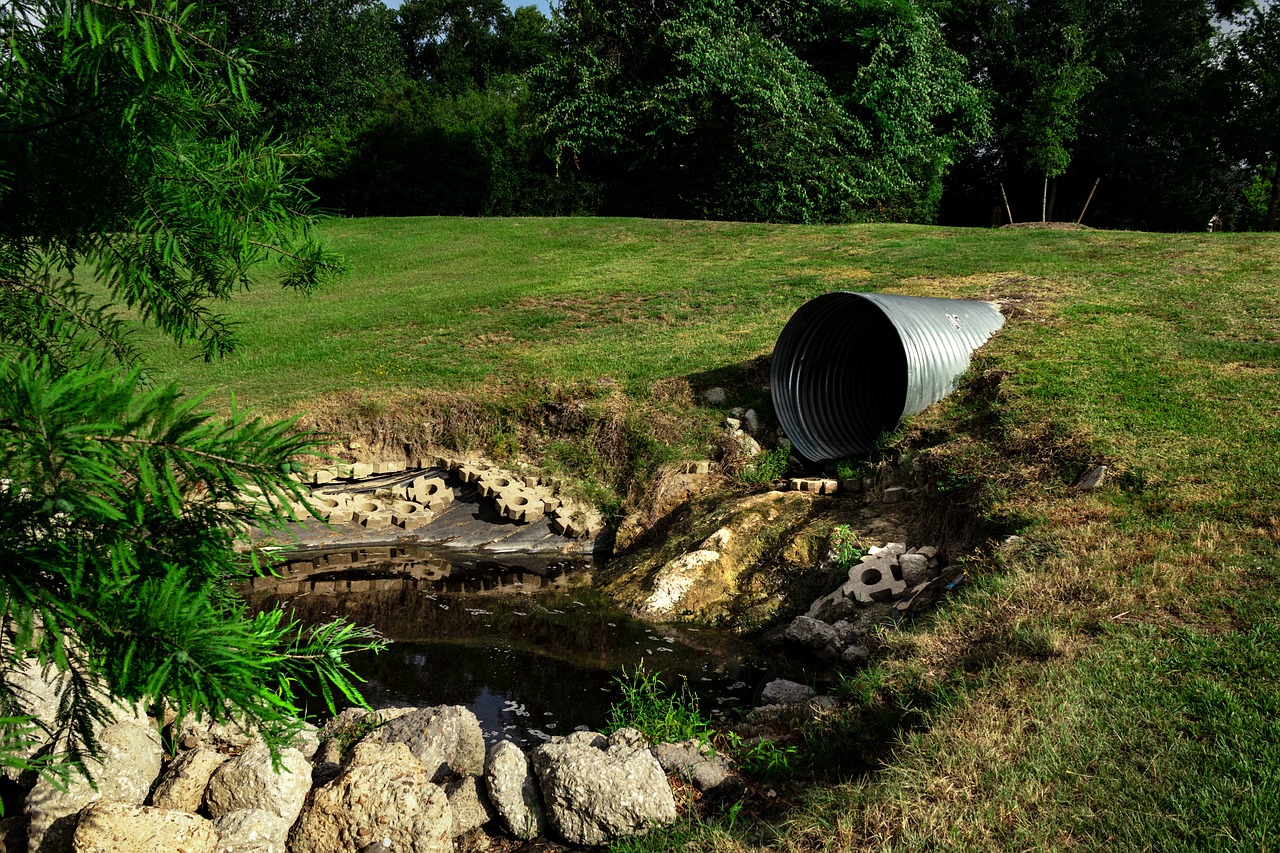
Living along the forested hillsides and scenic river valleys of Bonner County offers unmatched natural beauty, but managing private mountain driveways requires serious drainage engineering. In rural neighborhoods off US Highway 2, Highway 57, and Peninsula Road around Priest River, seasonal mountain runoff surges down roadside ditches during spring snowmelt and autumn cloudbursts. When runoff overwhelms shallow ditch crossings, water overtops gravel approaches, gouging deep trenches and washing expensive aggregate into the river. Installing an engineered driveway culvert gravel Priest River ID crossing ensures mountain torrents flow harmlessly beneath your roadway without compromising your driveway foundation. Homeowners can inspect heavy drainage aggregates on our Priest River gravel delivery page to source durable rock for ditch crossings.
Proper culvert installation requires more than dropping a corrugated metal pipe into a ditch. Surrounding the pipe with coarse bedding stone and reinforcing inlets with heavy riprap protects your access road from devastating washouts.
To inspect regional watershed guidelines and road construction standards across the Idaho Panhandle, consult:
Priest River Geography and Climate (Wikipedia)
Why Mountain Runoff Requires Driveway Culvert Gravel in Priest River
Priest River receives over thirty inches of precipitation annually, including heavy winter snowpacks that melt rapidly during warm Pacific rain-on-snow events. Steep mountain terrain accelerates surface runoff, funneling high-velocity torrents into roadside bar ditches. Native soils in northern Bonner County consist of rocky glacial till intermixed with silty volcanic ash and decomposed granite. When ditch water backs up around an undersized or poorly bedded culvert, saturated subgrade soils liquefy immediately, causing road shoulders to collapse under vehicle tires.
Protecting access roads requires heavy angular aggregates that resist hydraulic displacement. Choosing the right driveway culvert gravel Priest River ID homeowners rely on involves bedding the pipe in open stone, backfilling with compactable crushed run, and armoring inlet headwalls against violent debris flows.
- Heavy ditch headwall riprap → #4 crushed stone
- Clean culvert bedding and haunch stone → 1 1/2″ clean rock
- Compacted driveway surface cap → crushed run
- Filter layer transition rock → #57 stone
Browse culvert drainage materials available in Priest River
Best Materials for Driveway Culverts in Priest River
Combining heavy riprap with clean bedding aggregates secures drainage pipes against crushing and prevents ditch bank erosion.
| Culvert Zone | Recommended Aggregate | Why It Works |
|---|---|---|
| Inlet and Outlet Armoring | #4 Crushed Stone (2″ to 3″ Clean) | Heavy fractured stone shields ditch banks from high-velocity storm scour. |
| Pipe Bedding and Haunching | 1 1/2″ Clean Rock | Washed open stone packs firmly beneath curved pipe haunches without shifting. |
| Roadway Base and Cap | Crushed Run (3/4″ Minus) | Locks into a dense, solid driving crust over the buried culvert trench. |
| Subsurface Filter Bed | #57 Clean Stone | Prevents fine native silt from washing into coarse riprap armoring voids. |
Ditch Excavation and Culvert Bedding
Begin culvert installation by excavating the ditch bottom to match the natural flow grade, maintaining at least a one to two percent fall toward the discharge outlet. Trench width should equal twice the pipe diameter to provide adequate room for aggregate compaction along pipe flanks. Similar ditch crossing techniques protect mountain entryways in Spirit Lake, where seasonal snowmelt rushes through roadside channels.
Spread a four-to-six-inch bedding layer of clean 1 1/2-inch rock along the trench bottom. Tamp the stone flat, set the culvert pipe in place, and verify slope alignment with a builder’s level. Hand-shovel aggregate beneath the curved pipe haunches, tamping thoroughly to eliminate hollow air voids that could cause pipe deformation under vehicle traffic.
Backfilling, Armoring, and Road Capping
Backfill around the sides of the pipe in six-inch lifts using 1 1/2-inch clean stone or crushed run, compacting each layer carefully. Maintain a minimum of twelve inches of compacted aggregate cover over the top of the culvert to distribute heavy truck wheel loads safely. Explore further stone sizing recommendations in our #4 crushed stone guide.
Armor both the inlet and outlet headwalls with heavy #4 crushed stone, stacking the angular rock at a stable forty-five-degree angle around pipe mouths. Finish the roadway approach by grading three to four inches of crushed run across the crossing, crowning the surface to direct rain off the driveway. Installing driveway culvert gravel Priest River ID properties demand guarantees reliable year-round access through harsh winter storms.
Benefits of Local Delivery for Priest River Ditch Projects
- Heavy dump trucks navigate mountain routes along Peninsula Road, placing stone directly beside ditch trenches.
- Bulk delivery provides heavy riprap and crushed stone in exact proportions, cutting project staging time.
- Quarry-direct sourcing ensures clean, fractured rock that locks firmly against swift water flows.
- Avoids multiple hazardous utility trailer trips over winding mountain roads.
How Much Aggregate Will You Need for Your Culvert?
Calculating material quantities for a driveway culvert gravel Priest River ID project requires assessing pipe trench dimensions and armoring zones. Multiply trench length in feet by trench width in feet, multiply by backfill depth in inches, and divide by 324 to establish cubic yards. Crushed stone weighs approximately 1.4 tons per cubic yard.
Suppose you are installing a 30-foot culvert across a 14-foot driveway entrance. The trench measures 30 feet long, 4 feet wide, and requires 18 inches of total aggregate backfill (bedding, haunching, and top cover). Multiply 30 by 4 to get 120 square feet. Multiply 120 by 18 inches to get 2,160, and divide by 324 to reach 6.67 cubic yards. Multiplying 6.67 by 1.4 indicates you need roughly 9.3 tons of backfill stone, plus 3 to 4 tons of #4 stone for inlet armoring.
Frequently Asked Questions
How large should a driveway culvert pipe be in Priest River?
Most Bonner County rural driveways require a minimum pipe diameter of twelve to eighteen inches to handle spring runoff debris without clogging.
Can I use round river rock to backfill my culvert pipe?
No, rounded river rock rolls under wheel pressure and fails to provide lateral support, making angular crushed stone essential.
How much gravel cover is needed over a plastic culvert pipe?
Plastic corrugated pipes require at least twelve inches of compacted crushed stone over the crown to prevent pipe collapse under heavy delivery trucks.
Why do culvert inlet headwalls wash out during spring?
Inlets wash out when water swirls around unprotected dirt edges; stacking heavy angular #4 crushed stone stops eddying erosion.
Final Thoughts
A properly engineered ditch culvert crossing protects your private driveway from devastating mountain runoff and keeps your home accessible through severe spring storms. By taking time to set an even gravel bed, compacting stone along pipe haunches, and reinforcing headwalls with heavy #4 crushed rock, you build a dependable crossing that lasts for decades. Find your Idaho delivery area here to order bulk culvert aggregates delivered right to your property.











