




Selecting the Right Subgrade Aggregate for Site Regrading and Utility Construction
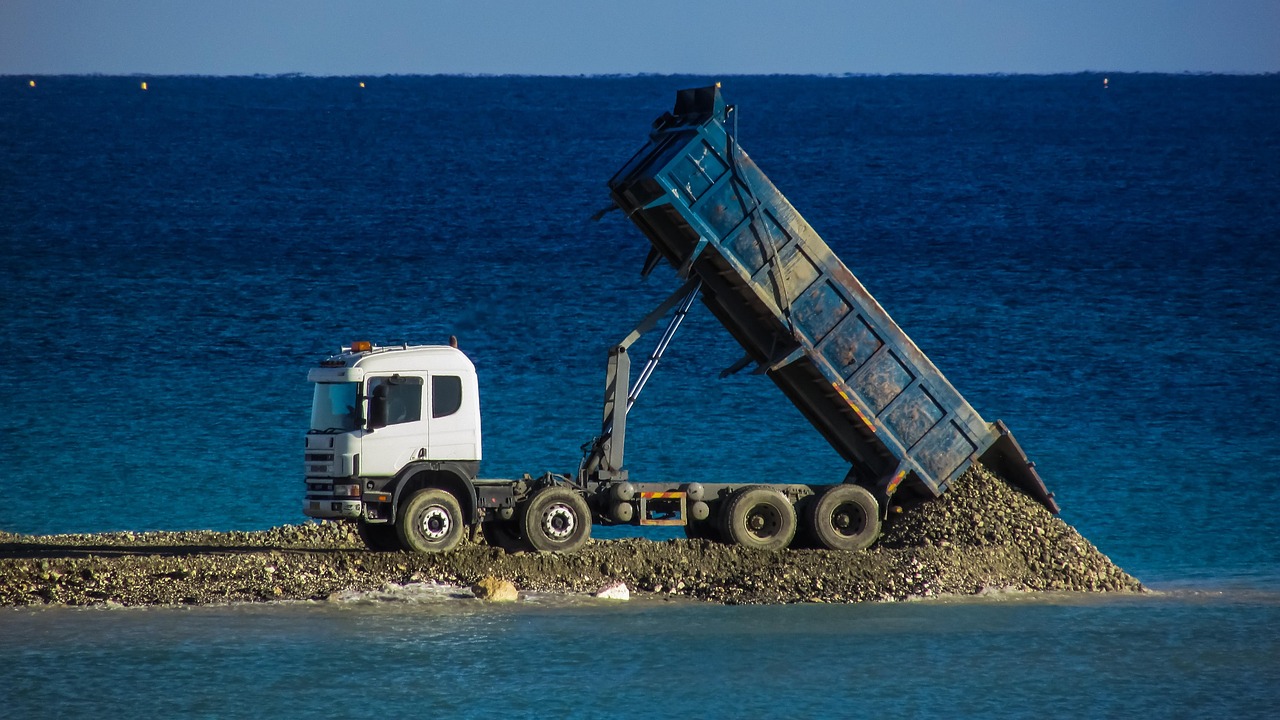
Grading a sloped backyard, filling foundation sinkholes, or installing underground utility pipes requires solid earthwork planning. When raising site elevations or backfilling deep excavations, choosing the wrong material can lead to persistent settling, trapped subsurface water, and cracked concrete slabs. Evaluating fill dirt vs fill sand Kasson MN property owners undertake ensures you select an aggregate suited to your site’s soil mechanics, drainage requirements, and structural load needs. Kasson is a growing city in Dodge County just west of Rochester in southeastern Minnesota, where rolling agricultural prairie, loess silt, and glacial clay subsoils require attentive moisture and compaction management. If uncompacted fill is dumped into deep holes, subsequent rains create sunken voids that damage lawns and outbuildings. Organizing prompt bulk deliveries through Kasson aggregate delivery delivers clean fill sand, cohesive fill dirt, and rich screened topsoil directly to your driveway.
Understanding the unique engineering properties of cohesive clay-based fill dirt versus free-draining granular fill sand ensures long-term ground stability and prevents post-construction settling.
Key Differences in Fill Dirt vs Fill Sand Kasson MN Projects Require
The choice between fill dirt and fill sand depends entirely on whether your project requires impermeable structural support or rapid drainage.
Fill dirt consists of sub-surface mineral soil containing clay, silt, and small rock fragments, stripped entirely of organic matter. When moistened and compacted in thin layers with a vibratory tamper, clay particles bind together into an unyielding, cohesive mass that holds stable grades on slopes and supports building pads. However, because compacted clay is nearly impermeable, it holds water against basement walls if placed in poorly drained zones. Fill sand, on the other hand, consists of coarse washed quartz grains that do not expand or contract. Water flows freely through sand, making it the preferred non-expansive material for bedding electrical conduits, sewer lines, and backfilling behind retaining walls. The University of Minnesota Extension recommends evaluating subgrade permeability and compaction characteristics before selecting backfill aggregates to prevent seasonal frost heaving and foundation water intrusion. When comparing fill dirt vs fill sand Kasson MN contractors utilize, matching material properties to site drainage prevents costly earthwork failures.
Core guidelines for choosing between fill materials include:
- Structural Compaction: Fill dirt packs into an unyielding, cohesive base ideal for deep hole stabilization and building subgrades.
- Permeable Drainage: Fill sand prevents water accumulation around underground pipes and septic tanks without expanding when wet.
- Organic Contaminant Exclusion: Both fill types must be free of roots, sticks, and organic matter that decay and cause void collapse.
- Finishing Topsoil Layer: Neither fill material sustains lawn grass; always finish grades with three to four inches of screened topsoil.
Recommended Bulk Products for Dodge County Earthwork
Selecting clean, dependable aggregates ensures stable site elevations and successful grading projects. Review our top materials:
- → Fill sand: Coarse granular washed sand that drains water rapidly, levels easily, and self-compacts in utility trenches.
- → Fill dirt: Dense subgrade mineral soil containing cohesive clay and silt, perfect for building structural pads and filling low hollows.
- → Screened topsoil: High-purity pulverized loam used as a fertile finishing cap over fill material to establish healthy lawn turf.
Consult our detailed fill sand material guide to check particle sizing distributions, compaction densities, and trench backfill specifications.
Backfill Material Characteristic Comparison
Compare the practical attributes of common fill products to select the best aggregate for your Kasson job:
| Material Type | Primary Function | Performance Characteristics |
|---|---|---|
| Fill Sand | Utility pipe bedding, pool backfill, wet zones | Fast water drainage, non-expansive, easily shovel-leveled in trenches |
| Unscreened Fill Dirt | Deep hollow filling, structural pad grading | High cohesive compaction, forms stable slopes, cost-effective bulk volume |
| Screened Topsoil | Final lawn and garden bed cap | Rich in organic humus and nutrients, crumbly texture, feeds grass roots |
| Crushed Stone Base | Driveway and patio sub-base support | Angular interlock with fines, maximum vehicle load capacity |
Step-by-Step Subgrade Backfilling Process
Follow these standard construction stages to achieve non-settling, stable ground elevations:
- Excavate and Clear the Area: Strip grass sod, fallen leaves, roots, and organic topsoil down to stable mineral subsoil.
- Match Material to Application: Use fill sand around underground utilities and wet spots; use fill dirt for structural pads and large lawn depressions.
- Deposit in Thin Lifts: Spread backfill material in uniform six to eight-inch horizontal layers rather than dumping deep piles.
- Compact Thoroughly: Run a mechanical plate compactor, trench rammer, or heavy roller over each lift until the ground is firm and hard.
- Apply Topsoil Cap: Spread three to four inches of premium screened topsoil over the compacted fill, raking smooth for sod or grass seed.
Managing Soil Drainage and Winter Frost in Dodge County
Kasson experiences bitter northern winters with frost lines extending thirty-six to forty-two inches deep. Fine clay subsoils can heave significantly when trapped moisture expands during freezes. Homeowners can easily schedule aggregate delivery in Kasson to obtain clean fill sand and compactable dirt before winter sets in. Landscapers in Isanti, MN and across southern Minnesota rely on similar fill material selection principles to prevent building movement and foundation settling.
Calculating Fill Volume and Delivery Tonnage
Accurate site measurements ensure you order the right volume of bulk material without project delays:
Measure the length, width, and average depth of the depression in feet. For example, a low yard area measuring 40 feet long by 15 feet wide with an average depth of 1 foot requires 600 cubic feet of fill.
Convert cubic feet to cubic yards by dividing by 27:
600 / 27 = 22.22 cubic yards
Fill sand and compacted fill dirt weigh approximately 1.35 to 1.4 tons per cubic yard:
22.22 x 1.35 = 30.00 tons of fill material
Ordering 32 to 34 tons accounts for compaction consolidation (typically ten to fifteen percent) and grade blending.
Frequently Asked Questions
Can I plant grass seed directly on top of fill dirt?
No, fill dirt lacks organic nutrients, soil biology, and moisture retention capacity; always apply three to four inches of screened topsoil over fill before seeding.
Which is better for filling around a new foundation?
Use fill sand or clean crushed gravel directly against foundation walls to relieve hydrostatic water pressure, capping the top with cohesive fill dirt sloped away from the house.
Does fill sand settle after it is placed?
Fill sand self-compacts significantly when placed and watered, experiencing far less post-settling than uncompacted clay fill dirt.
Can I use fill dirt to level low spots in my lawn?
For shallow spots under two inches, use a blend of screened topsoil and sand; use fill dirt only for deep excavations exceeding six inches.
Order Your Kasson Fill Aggregates Today
Ensure your earthwork and grading projects stay firm and level for decades. We deliver clean fill sand, cohesive fill dirt, and premium screened topsoil directly to homes and job sites throughout Dodge County. Contact our team to book your next Kasson bulk gravel delivery today.











