
Fill Sand: Uses, Coverage & Calculator
An economical, unwashed sand for filling holes, raising grade and backfilling large areas.
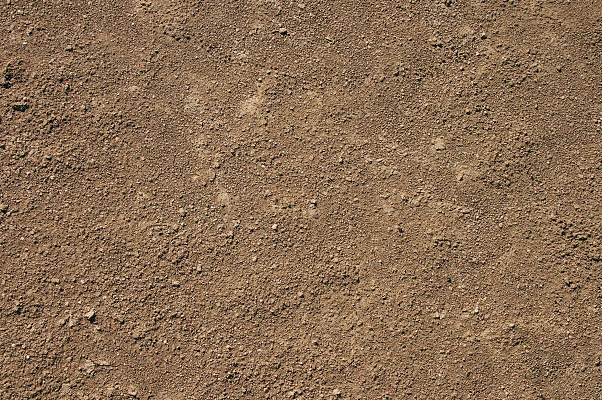
What is Fill Sand?
Fill sand is a natural, unwashed sand that may contain small amounts of clay, silt or small stones. It is meant for bulk filling, not for finish work.
Because it drains better than clay fill and compacts reasonably well, it is used to raise low areas, backfill around foundations and pools, and build up pads before construction.
| Specification | Details |
|---|---|
| Grain | Mixed sizes |
| Washed | No |
| Color | Varies by source |
| Also known as | Structural fill sand, bank sand |
| Approx. weight | 1.35 tons (~2,700 lbs) per cubic yard |
Best uses
- Raising low areas and grade
- Backfill around foundations and pools
- Building pads before construction
- Filling large holes and trenches
Not ideal for
- Mortar or concrete
- Sandboxes
- Final surface for lawns (cap with topsoil)
How much Fill Sand do I need?
Enter your area and depth to get cubic yards and tons. Results update as you type.
You'll need about
Based on about 1.35 tons (~2,700 lbs) per cubic yard. Actual weight varies with moisture and source, so treat results as an estimate.
Recommended depth by project
Typical installed depths for Fill Sand. Check local codes or your contractor for structural work.
| Project | Depth | Notes |
|---|---|---|
| Raising grade | 6″ | Compact every 6″ |
| Pad build-up | 12″ | Compact in lifts |
| Trench backfill | 12″ | Water and tamp as you go |
How to install Fill Sand
A few steps make a big difference to how long it lasts.
- Clear the areaRemove vegetation and debris first.
- Fill in liftsPlace sand in layers of about 6″.
- Compact each liftWater lightly and compact before adding the next layer.
Fill Sand questions
Quick answers to what customers ask most.
Can I grow grass on fill sand?
Grass struggles in pure sand. Finish with 4–6″ of topsoil over the fill.
How much area does a ton cover?
At 6″ deep, about 40 sq ft per ton.
Fill sand or fill dirt?
Fill sand drains better and compacts more evenly; fill dirt is usually cheaper for bulk grading where drainage matters less.
Related materials
Not sure this is the right one? Compare similar options.
 Soil & FillFill Dirt (Unscreened)
Economical fill for grading, raising low areas and backfill.
Read guide & calculator →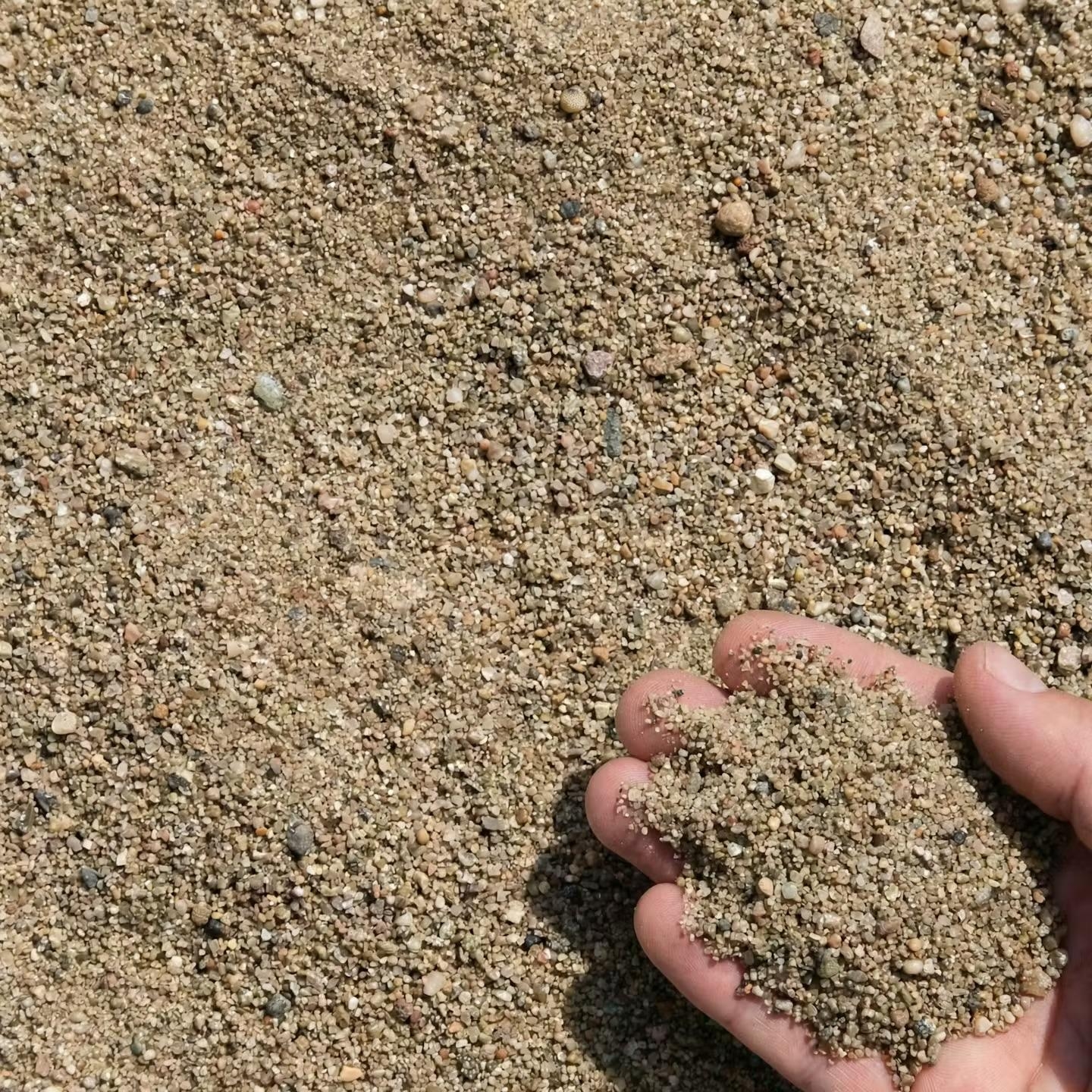 SandUtility Sand
All-purpose sand for backfill, bedding and leveling.
Read guide & calculator → Soil & FillPremium Screened Topsoil
Screened soil for new lawns, garden beds and grading.
Read guide & calculator →Ready to order Fill Sand?
Delivered by the ton or cubic yard to your driveway or job site.