




The Project in Williamsburg
As the historic capital of eighteenth-century Virginia, Williamsburg represents the pinnacle of colonial American landscape architecture. Throughout the Historic Triangle, formal parterre gardens, boxwood topiaries, and symmetrical courtyard walks showcase traditional walkway materials that reflect authentic colonial style. Homeowners designing garden spaces in James City County often weigh two classic historic options: crushed brick dust paths versus decorative pea gravel walkways. While pulverized brick dust offers an unmistakable reddish colonial tone, it requires constant maintenance, tracks into homes during wet weather, and degrades rapidly under Virginia humidity. Sourcing quality aggregates through dependable Williamsburg gravel delivery allows property owners to create beautiful, low-maintenance garden paths that capture historic elegance while outlasting traditional clay brick dust.
Selecting authentic garden path gravel Williamsburg VA materials such as washed pea gravel, binding stone dust, and bedding mason sand creates timeless, permeable walkways that endure humid coastal Virginia weather.
Why Williamsburg’s Soil and Climate Shape This Project
Williamsburg sits on the Virginia Coastal Plain, underlain by alluvial and marine deposits consisting of sandy loam, marine silt, and dense clay layers belonging to the Suffolk Scarp and Yorktown geological formations. The dominant local soils, such as the Emporia and Nansemond loam series, often feature moderate to poor drainage, with high seasonal water tables during rainy periods.
Tidewater Virginia experiences high annual rainfall averaging forty-seven inches, paired with sweltering summer humidity and damp winter conditions. Horticultural experts at Virginia Cooperative Extension note that organic debris and moisture degrade soft clay materials quickly in humid coastal climates. Traditional brick dust paths absorb moisture readily, turning to red paste during extended rains that stains shoes and clings to dog paws. In contrast, washed quartz pea gravel and compact stone dust drain freely, resist algae growth, and remain clean and firm year-round over Coastal Plain soils.
Comparing Materials: Pea Gravel vs Brick Dust Options
Understanding aggregate characteristics helps you choose the best historic surface for your colonial garden:
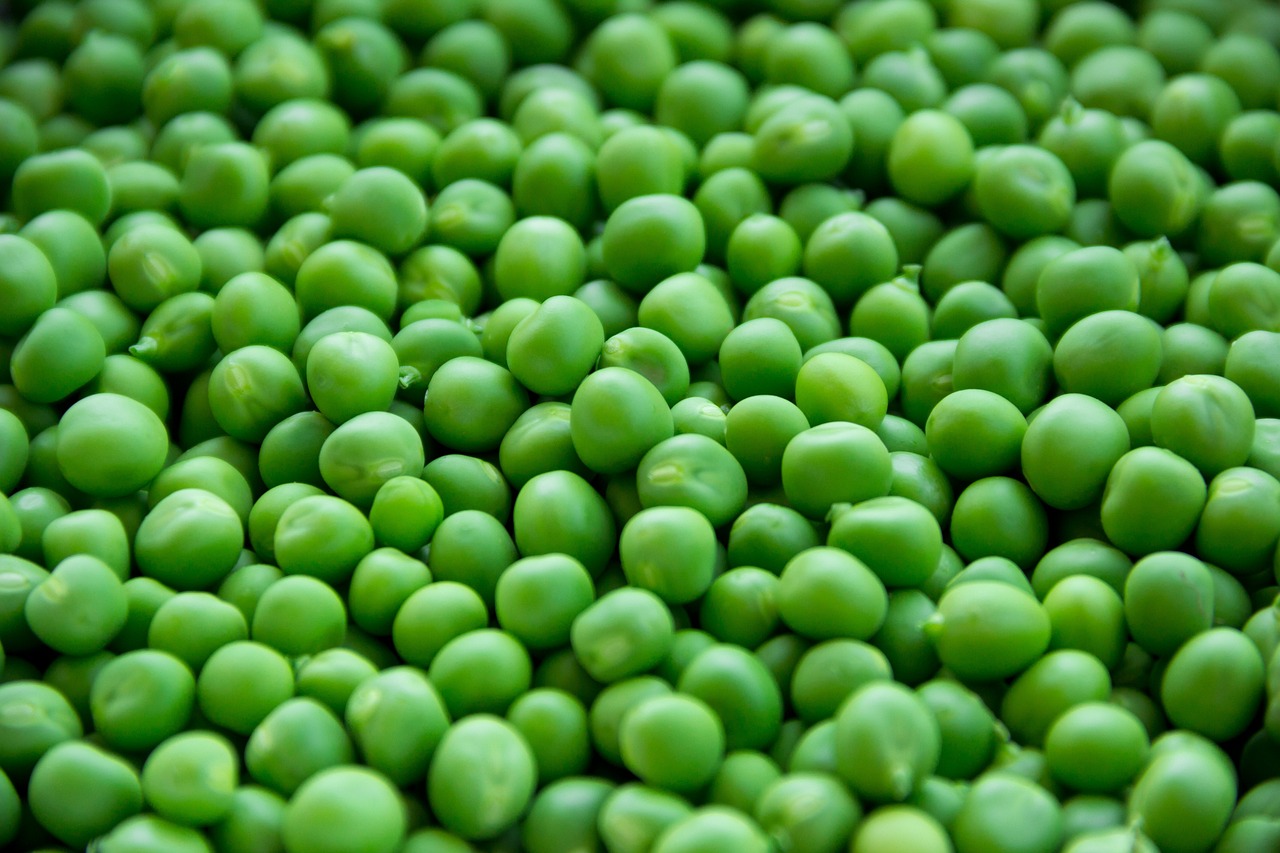
- Pea gravel → Smooth, rounded natural quartz pebbles measuring 3/8-inch in warm amber, cream, and tan tones. It provides classic crunch underfoot, drains instantly, and will not track mud into homes.
- Stone dust → Finely pulverized granite screenings containing fine particles and stone flour. When compacted over geotextile fabric, it forms a dense, weed-suppressing, hard-packed walkway subbase.
- Mason sand → Clean, finely screened silica sand free of pebbles and silt. It creates a smooth, level bedding layer for setting traditional brick borders and pathway pavers.
Step-by-Step Colonial Pathway Construction
Follow these construction stages to build a durable, historic garden walkway that outlasts traditional brick dust:
- Excavate walkway trench: Mark path outlines and excavate four inches deep through turf and topsoil to form a flat bed.
- Install authentic brick edging: Dig border trenches, lay a one-inch mason sand bed, and set historic bricks on end.
- Lay permeable weed fabric: Roll commercial needle-punched geotextile across the trench floor, extending up brick sides.
- Compact stone dust subbase: Apply two inches of stone dust, mist lightly, and compact thoroughly with a plate tamper. Residents in Mechanicsville use stone dust bases to halt weeds.
- Distribute washed pea gravel: Spread two inches of rounded pea gravel over the compacted base and rake level.
- Lightly roll surface pebbles: Roll with a garden roller to seat pebbles into the stone dust surface, preventing loose movement underfoot.
How Much Stone and Sand Do You Need?
Accurate material calculations prevent site shortfalls during spring landscaping projects. Naturally rounded pea gravel and compacting stone dust weigh approximately 1.35 to 1.45 tons per cubic yard, while mason sand averages 1.35 tons per yard. For a classic colonial garden path measuring 4 feet wide by 60 feet long (240 square feet) built four inches deep (two inches of stone dust base and two inches of pea gravel surface), you will need approximately 1.5 cubic yards (2.1 tons) of stone dust and 1.5 cubic yards (2.1 tons) of pea gravel. Review our detailed guide to pea gravel for path coverage formulas, depth tips, and border construction ideas.
| Material | Project Application | Estimated Coverage per Ton / Yard |
|---|---|---|
| Decorative pea gravel | 2-inch path surface cap | 100 to 110 sq ft per ton |
| Compacting stone dust | 2-inch compacted subbase | 95 to 105 sq ft per ton |
| Clean mason sand | 1-inch brick border bedding | 100 to 115 sq ft per ton |
| Crushed brick fragments | Decorative garden accent | 80 to 90 sq ft per ton |
Common Mistakes to Avoid in Williamsburg
Installing pure brick dust without containment creates a muddy red paste during Tidewater rains that tracks indoors. Choosing quality garden path gravel Williamsburg VA materials like washed pea gravel over a stone dust base maintains authentic charm without messy residue.
Another error is installing pea gravel more than two inches deep, which shifts underfoot and bogs down garden carts. Additionally, omitting rigid brick edging allows pea gravel to spill into adjoining flower beds.
Local Sourcing, Permitting, and Delivery in Williamsburg
Constructing garden walkways on private residential lots does not require building permits in James City County. If within Williamsburg ARB historic jurisdiction, confirm that proposed pathway materials and brick borders comply with guidelines.
When purchasing stone, partner with reputable Virginia bulk aggregate and landscape stone suppliers offering clean quartz stone. Coordinate deliveries through our local Williamsburg gravel delivery service for prompt placement on protected driveways.
Frequently Asked Questions
Why does brick dust track more than pea gravel in wet weather?
Crushed brick contains fine clay particles that liquefy when wet, clinging to shoes and paws, whereas washed pea gravel contains zero clay dust and stays clean.
How do you stop pea gravel from shifting underfoot?
Limit the surface layer to two inches over a firmly compacted stone dust base and contain the edges with mortared or sand-set brick borders.
Can pea gravel paths withstand humid Virginia summers without growing algae?
Yes, washed quartz pea gravel drains rapidly and dries quickly in sunlight, preventing moisture retention that fuels green algae and mold growth.
What type of brick is best for edging colonial pea gravel paths?
High-fired historic reproduction clay pavers or reclaimed antique clay bricks set on end provide an authentic eighteenth-century border that resists frost cracking.
Related Resources
- Washed natural quartz pea gravel for classic colonial garden walkways
- Fine stone dust screenings for dense, weed-suppressing path foundations
- Clean mason sand for level brick border setting and paver joint fill
- Complete guide to pea gravel sizing, border edging, and pathway maintenance
Final Thoughts
Creating an authentic colonial garden path in Williamsburg does not require sacrificing clean shoes or dealing with muddy brick dust. By selecting washed quartz pea gravel over a compacted stone dust base and framing the walk with classic brick borders, your garden path will capture eighteenth-century charm while offering modern durability. Beautiful garden path gravel Williamsburg VA supplies enhance any historic home landscape. Explore our wide selection of Williamsburg landscape stone and gravel products. Contact Simple Gravel today to calculate your material quantities and schedule prompt delivery to your home.











