
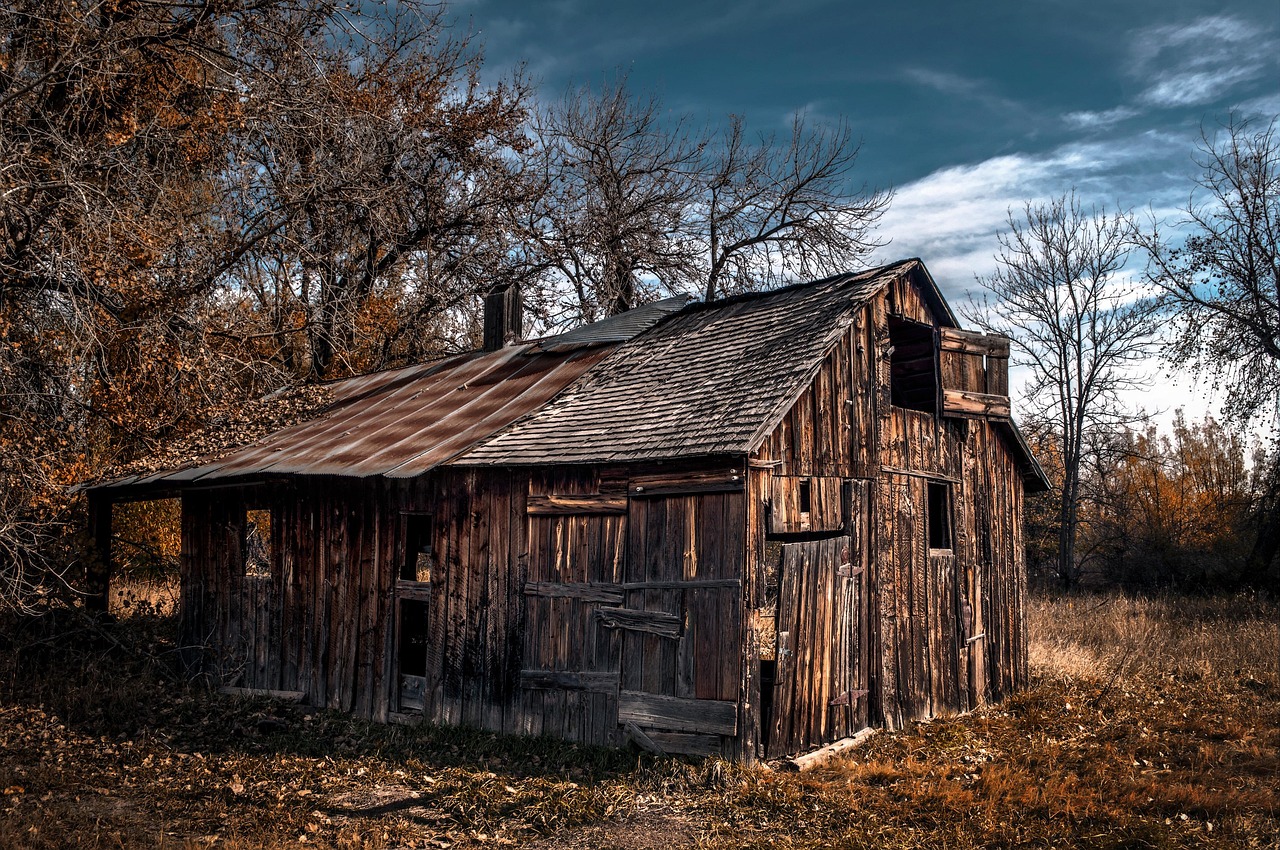
Constructing a firm, level aggregate foundation pad for a storage shed, workshop, or backyard studio in Tysons requires engineering a base that accommodates regional Piedmont metamorphic soils. Positioned in northern Fairfax County near Route 123 (Chain Bridge Road), Route 7 (Leesburg Pike), and the Capital Beltway, properties in Tysons sit over weathered mica schist and dense silty clay loam. Northern Virginia weather brings intense summer thunderstorms and winter freeze-thaw cycles that turn native clay into a soft, shifting subgrade. Placing prefabricated wooden or metal sheds directly onto damp turf or concrete blocks leads to rotting floor joists, sticking doors, and uneven settling. Installing a dedicated gravel shed base Tysons VA homeowners trust provides a rigid, laser-level platform that drains rainwater instantly and keeps timber skids completely dry. Property owners can schedule convenient bulk delivery through our Tysons aggregate delivery page to secure dense base gravel and precision leveling stone.
An engineered aggregate shed pad prevents wooden floor rot, stops differential frost settling, and provides an unyielding, laser-level foundation for backyard outbuildings.
To inspect Piedmont mica schist geology, soil bearing standards, and Fairfax County residential outbuilding guidelines, check:
Geography and Soil Characteristics of Tysons, Virginia (Wikipedia)
Why Piedmont Schist Soils Demand a Gravel Shed Base Tysons VA
Mica schist subsoils in Tysons weather into silty clay loam that holds high moisture content for days following heavy rain. When a heavy shed rests on concrete corner blocks, concentrated corner point loads push blocks unevenly into soft clay, twisting the timber framing and cracking drywall. Building an engineered gravel shed base Tysons VA builders recommend spreads total building weight uniformly across a broad aggregate footprint.
Compacted 3/4-inch minus base gravel incorporates sharp crushed rock chips and fine mineral dust that locks tightly into a rock-hard platform. Surfacing the base with a thin screed of 1/4-inch clean crushed stone creates a smooth, permeable pad that sheds rainwater away from wooden runners. For projects in adjacent northern Fairfax County neighborhoods, explore our McLean aggregate delivery options for compatible materials.
- High-density structural compaction base → 3/4″ minus base gravel
- Precision screeding and leveling chip stone → 1/4″ clean crushed stone
- Economical recycled compaction base aggregate → Crushed concrete
- Subgrade perimeter drainage rock → 3/4″ clean gravel
Explore shed foundation gravel in Tysons today
Recommended Material Courses for Backyard Shed Bases
Combining heavy-duty geotextile fabric with compacted base gravel and fine leveling stone ensures a solid, long-lasting foundation pad.
| Foundation Layer | Recommended Aggregate | Structural Function |
|---|---|---|
| Compacted Base Pad (4″ to 6″) | 3/4″ Minus Base Gravel | Fractured stone and fine rock dust pack rock-hard to support heavy shed skids and contents. |
| Precision Leveling Screed (1″) | 1/4″ Clean Crushed Stone | Provides a fine stone bed that tools dead level to seat shed runners without creating low spots. |
| Economical Sub-Base Core | Crushed Concrete | Bridges soft, spongy clay subsoils beneath large workshops and multi-bay garages. |
| Perimeter Drip-Line Splash Trench | #57 Stone (3/4″ Clean Washed) | Surrounds timber perimeter to catch roof eave runoff and route it away from building walls. |
Excavating and Timber Border Framing in Tysons
Stake out your shed pad footprint, adding at least one foot of extra clearance on all sides beyond the shed dimensions (e.g., an 10×14-foot pad for an 8×12-foot shed). Excavate the area to a uniform depth of five to six inches below grade. Clear away all turf and organic matter, tamping the native schist subsoil thoroughly with a vibrating plate compactor.
Construct a sturdy rectangular border using four-by-four or six-by-six pressure-treated timbers. Secure the timbers together with eight-inch structural timber screws, and anchor the frame into the ground using two-foot steel rebar pins driven through drilled holes. Check diagonals to ensure the timber frame is square, and verify that all four sides are level. Line the entire interior with heavy non-woven geotextile fabric.
Spreading, Compacting, and Screeding the Aggregate Pad
Spread 3/4-inch minus base gravel or crushed concrete inside the timber frame in two- to three-inch lifts. Lightly spray each layer with water to achieve maximum compaction density, then run a vibratory plate compactor over the pad in overlapping passes. Review our comprehensive 3/4-inch minus base gravel material guide for density curves and compaction metrics.
Spread a one-inch top course of 1/4-inch clean crushed stone over the compacted base. Use a laser level and long straightedge board to screed the stone dead flat with the top of your timber frame. A laser-level gravel pad ensures your shed sits perfectly plumb, preventing sticking doors, cracked windows, and floor bowing.
Benefits of Bulk Aggregate Delivery in Tysons
- Dump truck delivery deposits multiple tons of base rock directly beside your backyard project site.
- Dramatically more cost-effective per ton than buying bagged material from retail home improvement stores.
- Quarry-direct crushed granite guarantees consistent gradation and high compressive load resistance.
- Skilled drivers navigate residential streets near Route 123 and Leesburg Pike safely.
Calculating Aggregate Quantities for Shed Foundation Pads
Accurate material calculation prevents project interruptions when ordering gravel shed base Tysons VA supplies. Measure the length and width of your timber frame in feet to find square footage. Multiply square footage by total gravel depth in inches, and divide by 324 to determine total cubic yards. Dense crushed base gravel weighs approximately 1.4 tons per cubic yard.
For example, if you are preparing a 12-foot by 16-foot pad (192 square feet) with a 6-inch depth of compacted base aggregate, multiply 192 by 6 to get 1,152. Divide 1,152 by 324 to find 3.56 cubic yards. Multiplying 3.56 cubic yards by 1.4 tons indicates that you will need approximately 5.0 tons of bulk base gravel.
Frequently Asked Questions
Why is a gravel pad better than concrete blocks for a shed?
Concrete blocks create isolated point loads that sink into wet clay over time, whereas a gravel pad distributes weight evenly across the entire building footprint.
How thick should a gravel shed base be in Tysons?
A gravel shed base should have a minimum compacted thickness of four to six inches of 3/4-inch minus base gravel contained within timber borders.
Do I need geotextile fabric under a gravel shed base?
Yes, geotextile fabric stops soft native silty clay from migrating up into the crushed gravel while allowing rainwater to drain downward freely.
How far beyond the shed walls should the gravel pad extend?
Build the gravel pad at least twelve inches wider than the shed on all four sides to catch roof drip water and prevent dirt splashing onto siding.
Final Thoughts
Investing in a well-built gravel foundation pad ensures your storage shed remains level, dry, and structurally sound for decades. By setting compacted 3/4-inch minus base gravel inside sturdy timber borders lined with geotextile fabric, you protect your outbuilding against Virginia moisture and shifting soil. Find your Virginia delivery area here to schedule bulk delivery of road base gravel and clean leveling stone directly to your driveway.











