
Constructing a safe, mud-free turnout paddock, barn aisle, or equestrian sacrifice lot in Yuba County requires installing resilient horse paddock footing Linda CA using compacting crushed run, stone dust screenings, and #57 clean stone. In Linda, California, rural properties near the Yuba River contend with heavy winter downpours, river bottom alluvial soils, and wet seasonal mud that cause thrush, abscesses, and tendon strain in horses. Standing in saturated mud weakens hooves and destroys pasture grasses, leaving paddocks as unmanageable bogs. Installing an engineered horse paddock footing Linda CA creates a well-drained structural pad topped with a cushion of compacting stone dust that stays firm and dry all winter long. Sourcing durable crushed run base, cushioning stone dust, and free-draining #57 stone keeps horses healthy and barn lanes spotless. Equestrian property owners can schedule rapid bulk deliveries through our Linda aggregate delivery page to secure paddock base stone, stone dust, and clean aggregate direct to their barn gate.
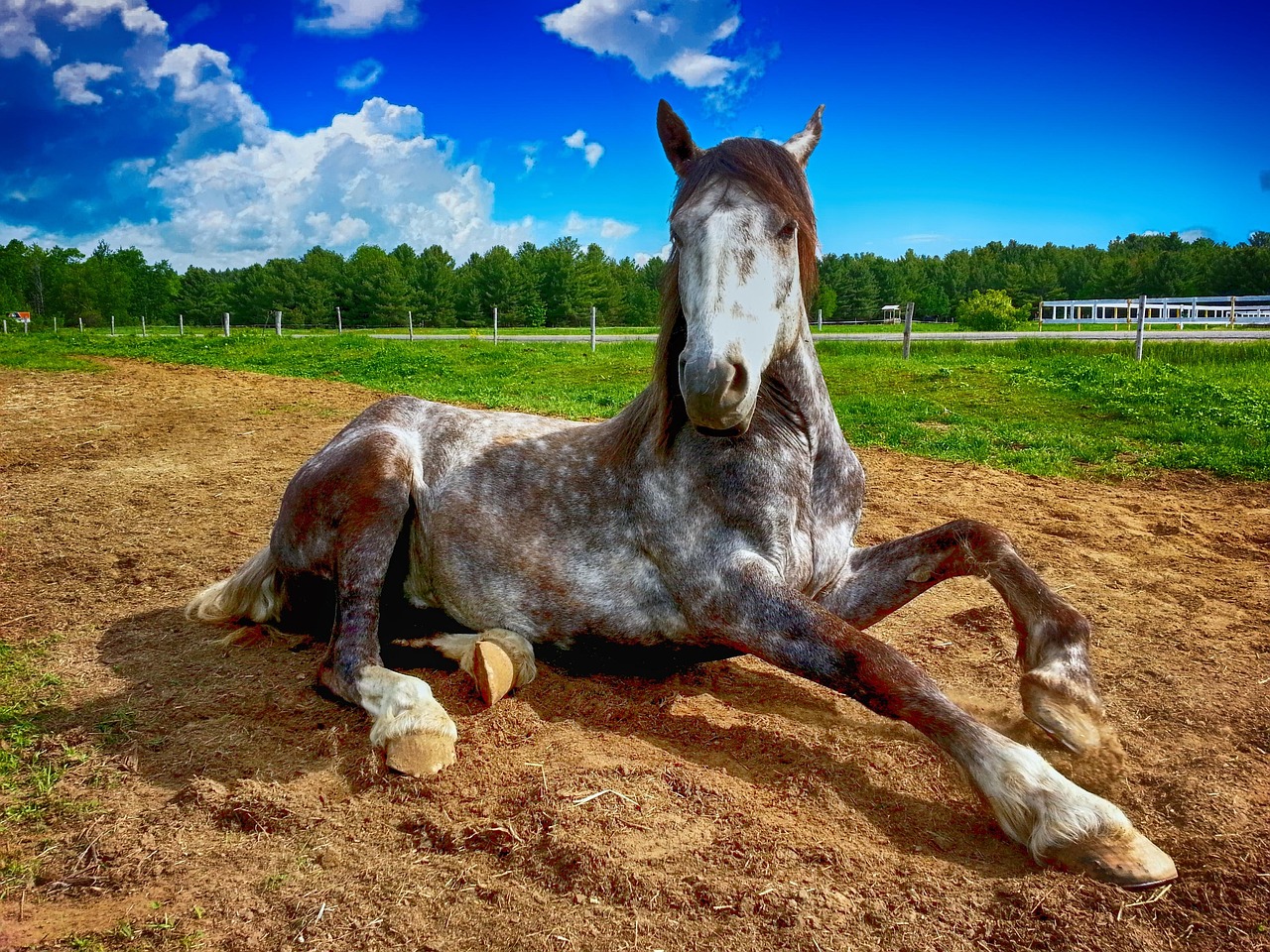
Layering compacted stone base and fine stone dust screenings creates a resilient, mud-free paddock footing that protects equine hoof health.
To inspect equine facility footing criteria, paddock drainage guidelines, and sacrifice lot design standards, check:
Equine Facility Footing and Stable Design Standards (Wikipedia)
Why River Bottom Mud Demands Horse Paddock Footing Linda CA
Linda experiences prolonged rainy periods each winter that quickly saturate native Yuba County topsoils. When horses mill around feeding gates and barn entrances, their hooves churn wet loam into deep, bacteria-laden muck. Deep mud causes chronic skin infections like scratches, pulls horseshoes, and makes stall cleaning grueling. Installing high-performance horse paddock footing Linda CA replaces fragile soil with an engineered multi-layer aggregate system that supports heavy hoof loads and sheds rainwater quickly.
Dense crushed run blends fractured angular stone with stone dust to create an unyielding structural subgrade that prevents horses from punching hooves into the soft subsoil. Fine stone dust provides a smooth, non-abrasive surface cushion that packs firmly under hooves without shifting like loose sand. Clean #57 stone creates high-capacity perimeter drainage swales that pull runoff away from paddock fence lines. In nearby California communities like Mountain House, equine managers choose stone dust footings for clean, dry turnouts.
- Dense-graded interlocking aggregate for firm, unyielding paddock subgrade foundations → Crushed run
- Finely crushed limestone screenings for smooth, hoof-friendly cushion layers → Stone dust
- Clean angular gravel for paddock perimeter trenches and gate drainage → #57 stone
- Washed angular rock for high-flow ditch aprons → #4 crushed stone
Recommended Cross-Section for Equine Paddock Footing
Consult this construction schedule to construct a mud-free paddock pad that protects hoof soundness and withstands daily horse traffic.
| Paddock Footing Layer | Recommended Aggregate | Target Thickness and Functional Role |
|---|---|---|
| Excavated Native Subgrade | Graded Subsoil | Stripped 6 to 8 inches deep; graded with a 1% slope toward perimeter ditches. |
| Separation Geotextile Fabric | Non-Woven Geotextile Membrane | Heavy-duty 8-ounce fabric; stops crushed aggregate from sinking into wet native loam. |
| Compacted Base Foundation | Crushed Run Base Gravel | 4 to 5 inches compacted thickness; creates an unyielding structural subgrade. |
| Equine Cushion Top Dressing | Stone Dust Screenings | 2 to 3 inches compacted thickness; provides a firm, smooth, hoof-friendly surface. |
Excavating, Edging, and Compacting the Paddock
Begin paddock construction by stripping topsoil six to eight inches deep across the turnout area or barn aisle. Grade the subsoil with a gentle one-to-two-percent slope toward exterior drainage ditches to ensure rainwater flows away from horse shelters. Compact the exposed subgrade with a heavy roller compactor to eliminate soft pockets.
Line the excavation with heavy-duty non-woven geotextile fabric to prevent subgrade mud from working up into the rock. Spread crushed run base gravel in four-inch lifts, dampening each lift with water before running a vibrating plate compactor or heavy roller. Top the compacted base with two to three inches of stone dust screenings. Dampen and roll the stone dust until it forms a tight, resilient surface that sheds water while providing safe traction. When ordering materials through our Linda gravel delivery portal, bulk drop placement keeps materials convenient to your barn or paddock gate. Review our detailed stone dust material guide for specialized equine footing maintenance and compaction guidelines.
Maintaining Mud-Free Gate and Feeder Areas
Gate entrances and round hay feeders receive the highest concentration of hoof traffic. Dig perimeter trenches along paddock edges and backfill them with #57 clean stone to capture surface runoff before it creates standing puddles in heavy traffic zones.
Benefits of Bulk Aggregate Delivery in Linda, CA
- Delivers multi-ton dump truckloads directly to your barn aisle or paddock entrance.
- Saves thousands of dollars compared to purchasing bagged material from farm stores.
- Quarry-direct stone dust arrives consistent, free of dangerous debris and large rocks.
- Experienced drivers navigate rural ranch roads, pasture gates, and barn access lanes safely.
Calculating Paddock Footing Aggregate Tonnage Accurately
Accurate material calculation prevents construction pauses and ensures complete coverage across large equine enclosures. Measure paddock length in feet by width in feet to determine square footage. Multiply square footage by planned material depth in inches, then divide by 324 to establish cubic yards. Both crushed run base rock and stone dust weigh approximately 1.4 tons per cubic yard.
For example, to construct a 30-foot by 40-foot turnout paddock (1,200 square feet) with 4 inches of crushed run base and 2 inches of stone dust: For the crushed run base, multiply 1,200 by 4 to get 4,800. Divide 4,800 by 324 to calculate 14.81 cubic yards, then multiply by 1.4 tons per cubic yard to find 20.73 tons. For the stone dust top layer, multiply 1,200 by 2 to get 2,400. Divide 2,400 by 324 to calculate 7.41 cubic yards, then multiply by 1.4 tons to find 10.37 tons. Ordering 21 tons of crushed run and 11 tons of stone dust ensures complete depth and reliable compaction.
Frequently Asked Questions
Why is stone dust better than sand for paddock footing?
Stone dust compacts into a firm, water-shedding surface that prevents deep hoof sinking, whereas loose sand shifts excessively and can cause sand colic if ingested.
Do I need geotextile fabric under paddock aggregate?
Yes, heavy geotextile fabric keeps stone base gravel from sinking into wet winter subsoil and stops mud from churning to the surface.
Can horses wear shoes on a stone dust paddock?
Yes, compacted stone dust provides safe, even footing for both shod and barefoot horses without accelerating shoe wear.
How thick should the crushed base be under paddock footing?
A compacted thickness of four to five inches of crushed run provides ample structural stability to support horses and light maintenance tractors.
Final Thoughts
Constructing a properly drained aggregate paddock protects your horses from chronic mud-related ailments and keeps your barn chore routine efficient all winter. By excavating topsoil, installing separation fabric, and layering heavy crushed run with stone dust screenings, your horse paddock footing Linda CA project creates a clean, durable turnout that lasts for decades. Find your Linda delivery area here to schedule bulk drop delivery of crushed run, stone dust, and drainage stone directly to your property.











