
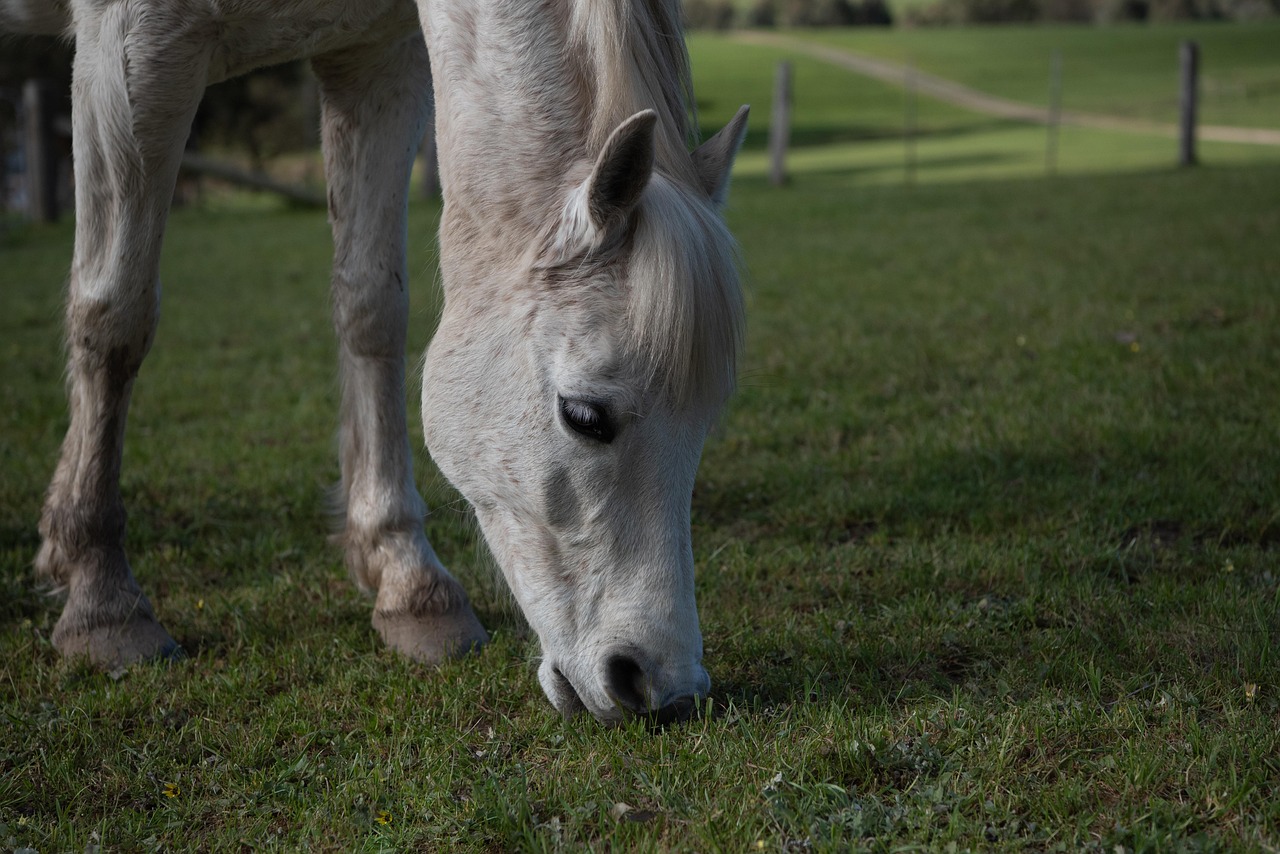
Constructing Safe, Mud-Free Turnouts and Stable Walkways for Equestrian Facilities
Maintaining clean, dry footing in high-traffic horse confinement areas is an essential duty for horse owners and boarding facility operators. During wet spring seasons and autumn rains, repetitive hoof traffic churns bare ground into deep, sucking mud wallows. Standing in persistent mud leads to painful thrush infections, pulled tendons, lost horseshoes, and ruined paddock fencing. Installing reliable horse paddock footing Richmond MI equestrians trust establishes a structured, multi-layered aggregate platform that sheds water quickly while providing safe, cushioned traction. Richmond is a vibrant rural and suburban community spanning Macomb and St. Clair counties, where heavy clay subsoils and flat terrain create prolonged drainage challenges around barns and turnout gates. Without an engineered aggregate sub-base, horses sink to their fetlocks in thick mud. Arranging bulk delivery through Richmond aggregate delivery brings crushed stone, compactable base rock, and stone dust directly to your stables.
An enduring paddock surface relies on a firm, compacted aggregate foundation separated from native subsoil by heavy geotextile fabric, topped with a forgiving cushion layer.
Designing Heavy-Duty Horse Paddock Footing Richmond MI Barns Require
Dumping sand or wood shavings directly over wet paddock mud is a costly mistake. Within weeks, hoof impact forces soft organic material and loose sand down into the clay, worsening the mud depth.
Professional equestrian engineers install a three-tiered system. The foundation begins by excavating soft mud and laying high-strength woven or non-woven geotextile fabric over native clay. Above the fabric, a four to six-inch base layer of compacted crushed run or open #57 stone forms an unyielding, water-shedding roadbed that supports heavy horses and tractor traffic. The top wearing course consists of three to four inches of compacted stone dust (limestone screenings). Stone dust binds firmly under hooves to create a level, mud-free cushion that is easy to pick manure from and gentle on equine joints. The Michigan State University Extension equine team stresses that proper paddock drainage, aggregate base compaction, and manure management are critical to prevent equine hoof diseases, reduce parasite loads, and protect groundwater quality. When planning horse paddock footing Richmond MI stables construct, investing in proper aggregate layers ensures a durable, dry sacrifice lot.
Core elements of a professional equine footing system include:
- Sub-Base Compaction: Dense crushed run locks tightly under mechanical tamping to prevent hooves from punching into subsoil.
- Geotextile Separation: Heavy-duty geotextile fabric acts as an impenetrable barrier stopping rock loss into underlying clay.
- Permeable Cushion Layer: Stone dust provides uniform support, excellent traction, and comfortable cushioning without packing into hard hooves.
- Positive Perimeter Slope: Grade the turnout pad with a one to two percent slope to guide surface water into exterior drainage ditches.
Recommended Aggregates for Equestrian Turnouts and Barn Aisles
Selecting clean, properly graded aggregates protects horse health and simplifies daily barn chores. Review our top materials:
- → Crushed run: Dense-graded crushed limestone featuring rock dust fines that packs into an unyielding, cement-like sub-base layer.
- → Stone dust: Finely screened limestone aggregate that creates a firm yet forgiving, easily cleaned top cushion for paddocks and barn aisles.
- → #57 stone: Washed angular gravel ideal for free-draining French drains and sub-base layers in saturated gate areas.
Review our comprehensive stone dust material guide to understand compaction density, moisture blending, and equestrian arena footing standards.
Equine Paddock Footing Material Comparison
Compare common footing materials to determine the best choice for your Richmond equestrian property:
| Material Type | Primary Function | Performance Characteristics |
|---|---|---|
| Stone Dust Screenings | Top paddock and aisle cushion | Cushioned traction, packs firm, easy to scoop, resists mud formation |
| Crushed Run | Load-bearing structural sub-base | Extreme compaction strength, bridges soft clay, supports tractor wheels |
| #57 Clean Stone | Subsurface French drain trenches | Rapid percolation, washed free of fines, keeps runoff moving away |
| Coarse Mason Sand | Arena riding surface blend | Loose texture, requires regular dragging, less stable for heavy turnout gates |
Step-by-Step Paddock Footing Installation Process
Follow these proven construction stages to build a mud-free horse sacrifice area or turnout pad:
- Excavate and Grade Native Soil: Remove soft topsoil and mud down six to eight inches, grading the subsoil to slope gently away from barn doors.
- Roll Out Geotextile Fabric: Lay heavy-duty geotextile fabric across the entire turnout area, overlapping seams by eighteen inches and pinning securely.
- Install and Compact Base Gravel: Deposit four inches of crushed run base material, compacting thoroughly with a heavy vibratory roller or plate tamper.
- Place Stone Dust Cushion: Spread three inches of stone dust over the compacted base, raking evenly across the entire paddock footprint.
- Moisten and Roll: Lightly water the stone dust layer and roll firm with a lawn roller or tractor tires to create a smooth, consolidated footing.
Managing Soil Moisture and Mud in Macomb and St. Clair Counties
Richmond experiences prolonged freezing winters, heavy snow accumulation, and wet spring thaws that test farm drainage. High-traffic areas around hay feeders, water troughs, and paddock gates take brutal punishment. Barn managers can easily schedule aggregate delivery in Richmond to secure crushed stone and stone dust before spring mud arrives. Equine operators in Zeeland, MI and across rural Michigan build similar aggregate turnout pads to ensure horses stay sound and dry through every season.
Calculating Paddock Aggregate Requirements
Accurate material calculations ensure full paddock coverage without ordering extra stone:
Measure the dimensions of your turnout pad or sacrifice lot in feet. For example, a heavy-traffic feeding pad measuring 30 feet long by 20 feet wide covers 600 square feet. For a 4-inch compacted base depth (0.33 feet), calculate required cubic feet:
600 x 0.33 = 198 cubic feet
Convert cubic feet to cubic yards by dividing by 27:
198 / 27 = 7.33 cubic yards
Crushed run base gravel weighs approximately 1.4 tons per cubic yard:
7.33 x 1.4 = 10.26 tons of crushed base
For the 3-inch stone dust top cushion (5.5 cubic yards), allocate approximately 7.7 tons of stone dust to finish the installation.
Frequently Asked Questions
Why is stone dust safer than pea gravel in horse paddocks?
Stone dust compacts into a firm, stable surface that provides confident hoof traction, whereas pea gravel rolls and shifts, creating unstable footing that strains ligaments.
Can horses eat off a stone dust pad?
To prevent sand colic from accidental ingestion, always feed hay in raised bunks, rubber ground tubs, or slow-feeders rather than scattering hay directly on the footing.
How thick should the stone dust cushion be?
Maintain a compacted depth of three to four inches over your crushed stone base for optimal cushioning and hoof protection.
Do I need geotextile fabric under a horse paddock?
Yes, without geotextile fabric, horse hooves will push the crushed stone down into native Michigan clay within a few wet months, ruining the pad.
Order Your Richmond Equestrian Aggregates Today
Protect your horses from painful mud-related injuries and keep your barn facilities clean and functional year-round. We deliver heavy crushed run base gravel, stone dust, and drainage aggregates directly to equestrian properties and farms. Contact our team to coordinate your Richmond bulk gravel delivery today.











