
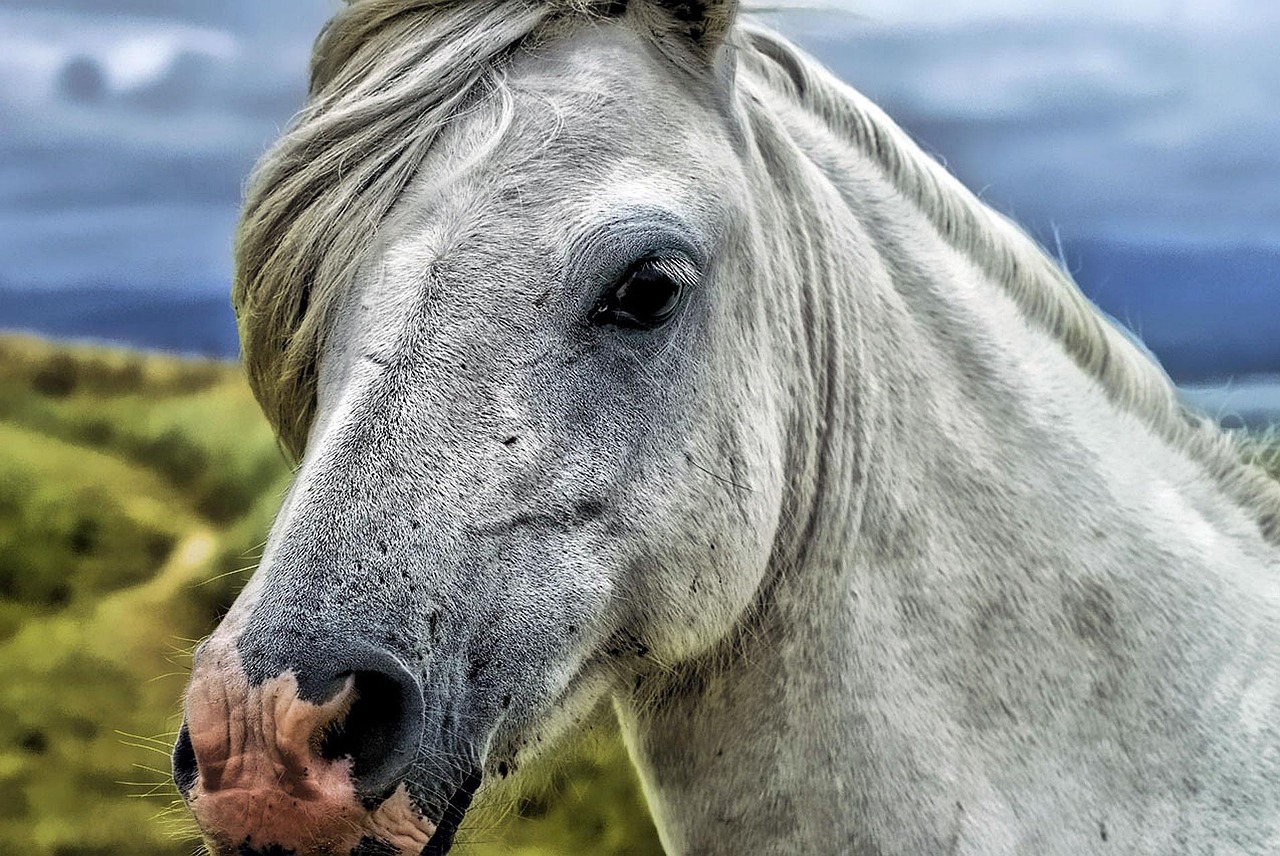
Persistent standing water and deep mud around gates, feeders, and run-in sheds pose severe health hazards for equine hoofs and joints. Investing in durable horse paddock footing Tarpon Springs FL horse farms need transforms slippery, bacteria-laden paddocks into secure, well-drained turnout zones that withstand severe subtropical downpours.
Located near the Sponge Docks and the Pinellas County bayous, Tarpon Springs properties experience high humidity, sandy topsoil, and seasonal tropical storms. Concentrated equine hoof traffic quickly churns wet soil into deep, smelly muck that causes thrush, scratches, and tendon strain. Simply dumping random sand or shavings over existing mud provides only temporary relief because the organic matter sinks into the mire within days. A permanent mud-free solution requires excavating churned muck, laying structural geotextile fabric, and installing layered mineral aggregates via scheduled deliveries from our Tarpon Springs aggregate delivery team.
Core Principles of Horse Paddock Footing Tarpon Springs FL Equine Centers Use
Mud forms when horse hooves exert upward of 1,500 pounds per square inch of localized point pressure, breaking down soil structure and blending water with manure and native sands. Upgrading to engineered horse paddock footing Tarpon Springs FL stables utilize stops churned soil from turning into stagnant muck. In coastal Pinellas County, saturated ground loses shear strength rapidly, swallowing hoofs up to the fetlocks during wet summer months.
Equine management studies published by the University of Florida IFAS Extension confirm that chronic moisture exposure degrades the protective hoof wall, encouraging anaerobic bacterial infections. Establishing a stable three-layer aggregate system separates native mud from the surface, creating an unyielding sub-base crowned with comfortable, shock-absorbing stone dust that protects hooves and drains surface water rapidly.
The Three-Tier Aggregate Layering System for Horse Paddocks
Commercial equine facilities achieve long-lasting mud resistance by building paddocks with three distinct structural layers:
- Geotextile Separation Membrane: Heavy woven or non-woven geotextile fabric laid across excavated soil stops heavy aggregate from sinking into underlying Florida sand while allowing water to pass through.
- Compacted Sub-Base Layer: Four to six inches of crushed run or road base aggregate compacts into a dense, solid platform that resists hoof gouging.
- Sacrificial Cushion Footing: Two to three inches of washed stone dust or coarse equine sand provides cushioned traction, protects horse soles, and allows easy manure pick up.
- Drainage Perimeter: Trench drains backfilled with clean #57 stone divert runoff away from high-traffic gate openings and shelter roof driplines.
Comparing Footing Aggregates for Florida Horse Facilities
Evaluating material attributes ensures you pick aggregate safe for horses that holds up against heavy turnout traffic:
| Aggregate Material | Texture and Sizing | Paddock Function and Safety |
|---|---|---|
| Stone Dust | Fine pulverized limestone fines | Top footing layer; compacts into a firm, cushioned, self-draining crust |
| Crushed Run | Angular rock blended with mineral fines | Base foundation layer; creates rigid support beneath high-traffic gates |
| #57 Stone | 3/4-inch washed clean limestone | Sub-surface drainage trenches and roof drip dissipation lines |
| Concrete Sand | Coarse angular silica sand | Alternative top cushion; drains well but shifts more than stone dust |
Step-by-Step Installation of Mud-Free Turnout Pads
Transforming high-traffic paddock entries requires systematic site work during dry weather:
- Muck Excavation: Scrape away churned muck and organic soil down to firm, undisturbed native subsoil, typically four to six inches deep.
- Subgrade Sloping: Grade the subgrade with a subtle one to two percent fall toward an exterior drainage swale or fence line to prevent subsurface water pooling.
- Geotextile Installation: Roll heavy-duty geotextile fabric over the excavation, overlapping adjacent seams by at least twelve inches and pinning edges firmly.
- Base Placement and Compaction: Spread crushed run across the fabric in two-inch lifts, soaking lightly with water and rolling with a heavy mechanical compactor until rock-solid.
- Top Footing Application: Spread a uniform two-to-three-inch layer of stone dust across the compacted base, raking smooth and tamping firmly to create a forgiving, level turnout floor.
Barn owners in east coast horse communities such as Sebastian utilize identical three-tier aggregate foundations to manage coastal moisture around turnout gates and barn breezeways.
Premium Paddock Footing and Base Materials Available
We source clean, non-toxic aggregates specifically graded for equestrian safety and durability:
- Crushed run → Angular limestone base material that locks firmly to eliminate deep hoof rutting.
- Stone dust → Screened limestone fines that form a smooth, shock-absorbing surface gentle on hooves.
- #57 stone → Washed angular rock that channels torrential rainwater away from paddock entryways.
Discover complete maintenance recommendations and cushion depth ratios in our comprehensive guide to stone dust before preparing your barn renovation.
Calculating Paddock Footing and Base Tonnage
Calculating material volumes accurately ensures your high-traffic turnout areas receive full coverage:
Cubic Yards Formula: Length (ft) × Width (ft) × Depth (ft) ÷ 27 = Cubic Yards
Tonnage Formula: Cubic Yards × Density Factor = Tons Required (1.40 for Crushed Run, 1.35 for Stone Dust)
Consider stabilizing a busy shelter apron measuring 30 feet long by 20 feet wide with a 4-inch (0.333 ft) crushed run base and a 2-inch (0.167 ft) stone dust top layer:
Base Layer: 30 ft × 20 ft × 0.333 ft = 199.8 cubic feet ÷ 27 = 7.40 cubic yards.
7.40 cubic yards × 1.40 = 10.36 tons of crushed run base.
Top Footing: 30 ft × 20 ft × 0.167 ft = 100.2 cubic feet ÷ 27 = 3.71 cubic yards.
3.71 cubic yards × 1.35 = 5.01 tons of stone dust.
Total project requirement equals approximately 15.5 tons of combined aggregate. Sourcing durable horse paddock footing Tarpon Springs FL properties demand ensures long-term turnout stability. Contact our logistics desk to schedule bulk paddock gravel delivery in Tarpon Springs directly to your farm gates.
Frequently Asked Questions About Horse Paddock Footing
Why is stone dust preferred over wood shavings or bark in paddocks?
Wood chips and shavings are organic materials that rapidly decompose into slippery, acidic mud in Florida heat and rain. Stone dust is an inorganic mineral aggregate that will not rot, degrade, or harbor bacteria.
Can horses safely eat off a stone dust pad?
While stone dust is non-toxic, horses should always be fed hay in raised mangers, rubber tubs, or slow-feed nets rather than directly off the ground to prevent accidental sand ingestion and colic.
Is geotextile fabric mandatory under paddock stone?
Yes. Without geotextile separation fabric, heavy horse hooves and Florida sand will swallow crushed aggregate within one rainy season, wasting your investment.
How do I clean and maintain a stone dust paddock pad?
Pick manure daily using a fine-tined plastic manure fork. Periodically rake the surface to smooth loose material, and replenish light top layers of stone dust every couple of years as needed.
Order Bulk Horse Paddock Aggregates in Tarpon Springs
Protect your horses from hoof rot, joint strain, and mud-related injuries with durable, professionally graded footing. Whether you board horses near the Sponge Docks or maintain private turnout paddocks along the Anclote River, our delivery team coordinates timely dump truck drop-offs. Explore our complete selection of equestrian aggregates and order through our Tarpon Springs gravel supply team today.











